Although “glacial collapse” is not a formally defined term in glaciology, scientists commonly use it to describe this type of event.
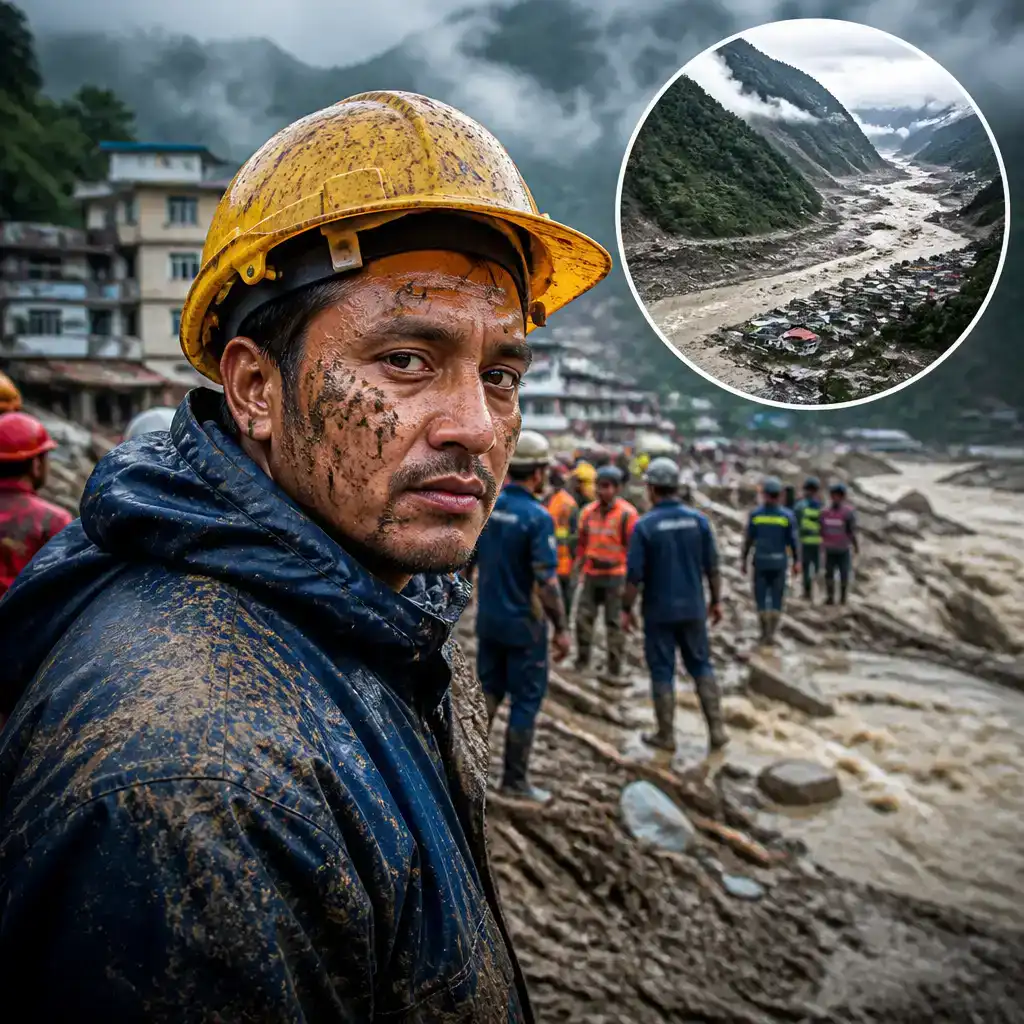
Prakash Pokhrel, a geologist with Nepal’s National Disaster Risk Reduction and Management Authority, said the “glacier-inclusive flood” began in the Lhende Khola after an ice-rock avalanche on the Nepali side of the border.
The surge moved from the Lhende Khola into the Bhotekoshi River and then the Trishuli River, carrying debris and floodwater south through Nepal. Reports said the Trishuli rose by as much as 9 metres, or 27 feet, in only 30 minutes.
How many people have died?
Nepalese police said Friday morning that the national death toll had reached 469. Authorities in neighbouring Tibet reported at least three additional deaths, although a complete breakdown by nationality had not yet been released.
Bodies swept downstream have been recovered far from the communities where victims disappeared, according to The Kathmandu Post. Morgues are running out of room while officials attempt to identify the dead and contact relatives.
Authorities have started using buildings belonging to Nepal’s health and science academies as temporary morgues. They are also preparing a system for burying unidentified victims if necessary. Each body would receive a numbered tag linked to records showing where and how it was buried, allowing later identification or recovery.
The process is grim, slow and increasingly urgent as search teams reach more damaged settlements and recover victims along the river system.
Who remains missing in Nepal and Tibet?
More than 1,500 people were listed as missing across Nepal and Tibet by Friday morning. The figure includes local residents, workers, pilgrims and hundreds of international tourists.
Nepal’s Department of Tourism said 668 visitors from 34 countries had been out of contact since Wednesday morning, most while trekking. Those reported missing included at least:
- 177 people from India
- 90 from the United States
- 34 from Australia
- 33 from the United Kingdom
- 25 from Canada
China’s Ministry of Foreign Affairs said 100 Chinese nationals were missing in Nepal. In Tibet’s Gyirong county, 558 people remained unaccounted for, including 260 foreign nationals, according to Chinese state broadcaster CCTV.
Many Indian travellers, along with some people of Indian origin from the United States and Europe, had been heading towards Tibet for the Kailash Mansarovar Yatra. The pilgrimage visits Mount Kailash and Lake Manasarovar, which are sacred to Hindus, Buddhists and Jains.
The scale of the missing-persons list is complicated by disrupted phone networks, blocked roads and trekking groups spread across remote terrain. Some people may be stranded without communications, but officials have not treated that possibility as a reason for optimism.
What are relatives of missing travellers saying?
Sneha Sudhir is among 10 women whose husbands left Nepal on a trek towards Tibet’s Mount Kailash before the disaster. The men, all from northern Virginia, are among dozens of missing Americans.
“Where are they?” Sudhir told Reuters from her home in Chantilly, Virginia, on Thursday.
She said the women were supporting one another while contacting officials, politicians, relatives and friends in both the United States and India.
“Everybody is taking turns in shedding their tears, wiping it off and getting back to work,” she said.
In Bhopal, India, Devika Adhikari told India Today that her elder brother, younger brother and two sisters-in-law were missing in Nepal. Her family last spoke with them at about 9:30am local time, or 03:45 GMT, on the morning of the flood.
“In our last conversation, my elder brother told us that everyone’s lives were in danger and that they had hidden in the mountains. He also asked us to take care of the children,” Adhikari said.
Families are relying on scattered official reports while authorities work through lists that cross national borders, tour operators and pilgrimage groups.
How are rescue teams reaching survivors?
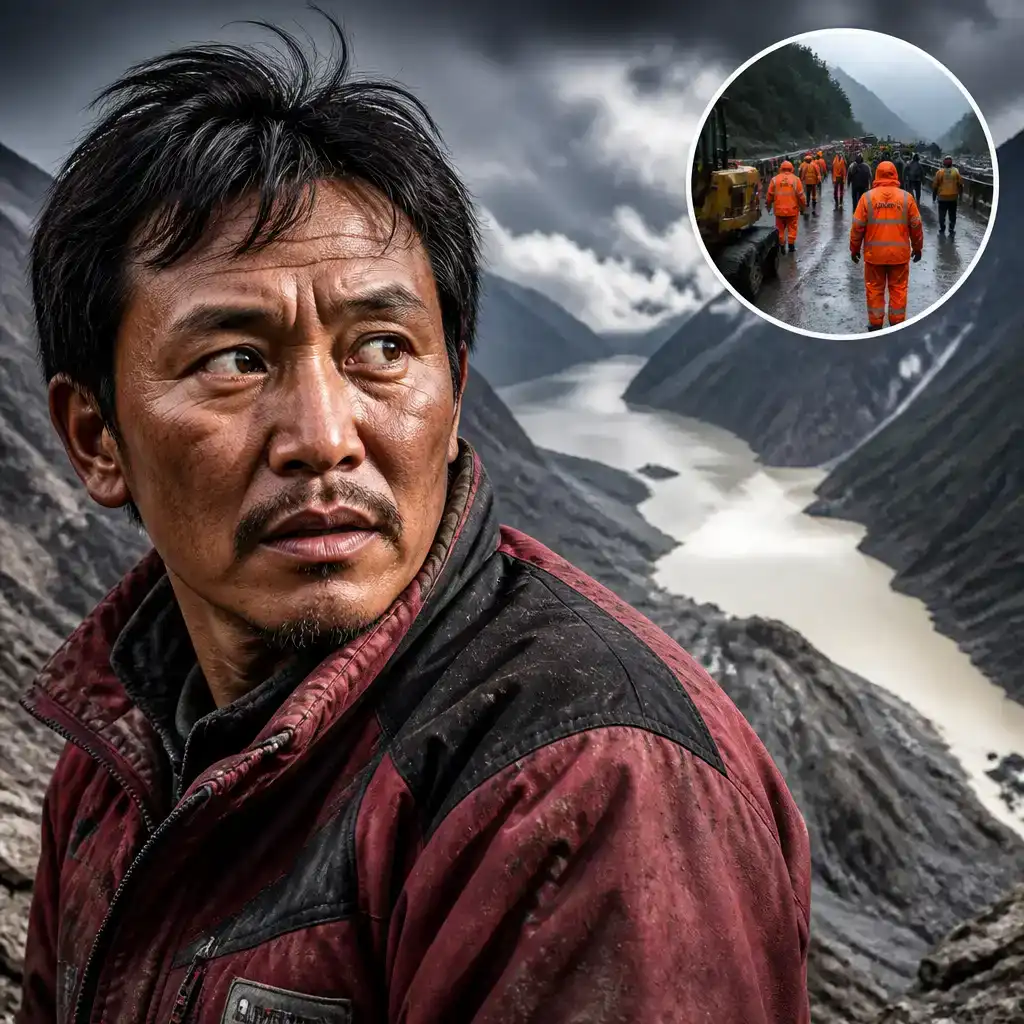
Nepal has deployed government and private helicopters to search for survivors, evacuate injured people and deliver emergency supplies. Thousands remain cut off in rugged districts along a route used by trekkers and pilgrims travelling between Kathmandu and Lhasa.
Extensive damage to roads and bridges has turned access into what officials describe as a massive challenge. Helicopters have carried survivors to hospitals, where doctors are treating injuries including broken ribs and skin burns.
Nepal Army spokesperson Raja Ram Basnet said aircraft were dropping tents, food and medicine supplied by neighbouring India. More than 5,000 army and police personnel have joined the operation.
On Friday, the army rescued 350 workers and residents trapped inside a tunnel at the Upper Trishuli hydropower project, according to Nepal News. Crews carried out the operation in poor weather and amid high river flows.
Prime Minister Balendra Shah travelled by road to Bidur in Nuwakot, one of the worst-affected districts, to assess the damage.
India also evacuated thousands of residents from Bihar, Uttar Pradesh and Uttarakhand as rising water threatened the Gandak River Basin. Chinese Premier Li Qiang visited the mudslide site in Tibet on Thursday to direct rescue and relief work.
United States President Donald Trump said Washington had offered Nepal assistance, describing buildings as having been wiped out and promising support requested by the country’s leadership.
Why is the threat not over?
Officials in Rasuwa received notice Friday morning that a lake had broken its banks, according to Chief District Officer Narendra Pariyar. He said the river was visibly rising, although authorities did not yet know by how much.
Nepal temporarily suspended rescue operations in the area for 90 minutes. Residents and emergency workers along lower riverbanks were told to move to higher ground.
CCTV also reported that a dammed lake upstream of the Gyirong border port had begun overflowing. Aerial footage recorded by a Chinese rescue team on Thursday showed brown water collecting behind a natural barrier with no visible outlet.
Chinese personnel and vehicles withdrew to safer areas as officials monitored the possibility of the lake bursting. Further mountain collapses and avalanches could release additional debris or water into valleys that have already suffered extensive damage.
That risk leaves rescue teams balancing two immediate demands: reaching people who may still be alive and avoiding another surge through the same river system. With unstable slopes, damaged infrastructure and uncertain lake levels, the emergency remains active well beyond the first flood.