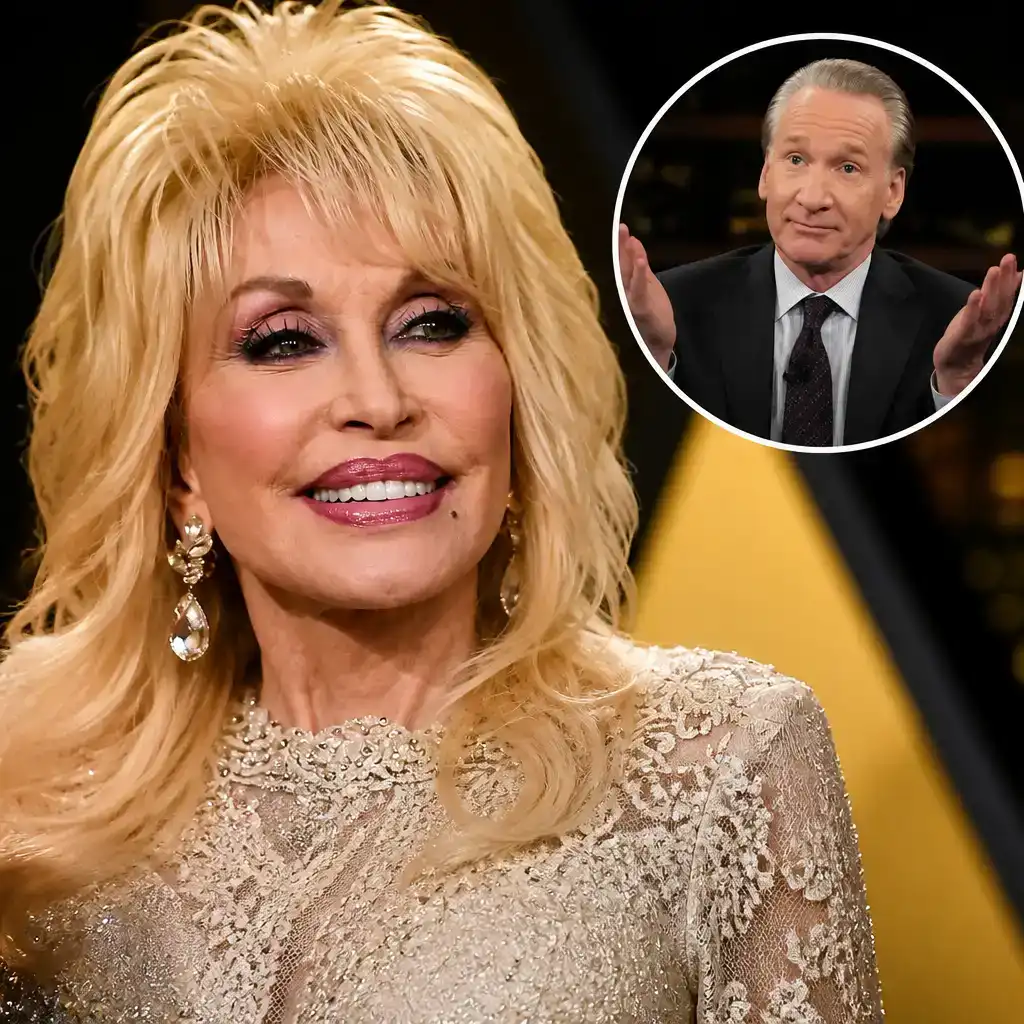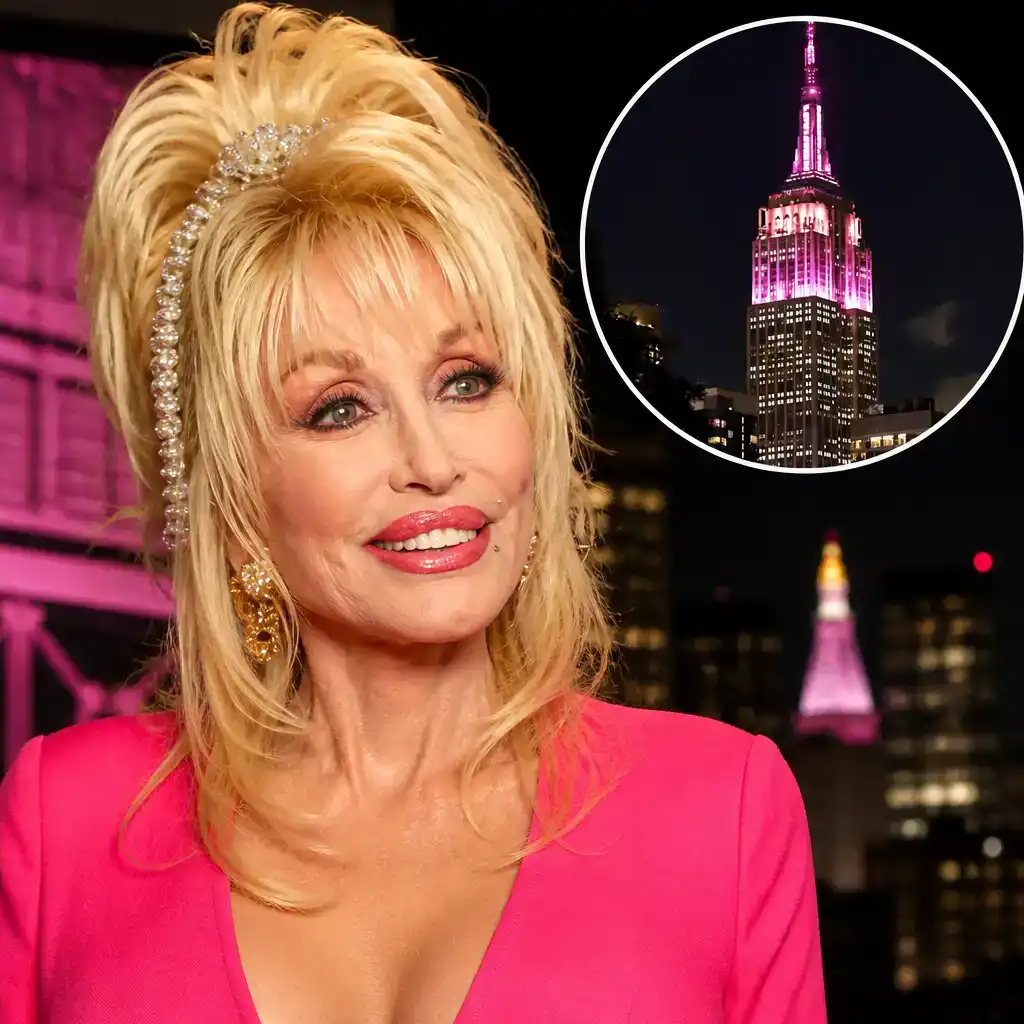
Dolly Parton’s cause of death was cancer, her publicist confirmed after the country music star died on Tuesday, August 25, at the age of 80. Marcel Pariseau said Parton died at Vanderbilt-Ingram Cancer Center in Nashville following a brief battle with the disease, surrounded by loved ones.
The type of cancer has not been disclosed. The Associated Press, CBS News, ABC News, the Los Angeles Times and Axios separately corroborated the official statement. TMZ reported, without confirmation, that Parton had entered Vanderbilt days earlier with kidney and autoimmune problems, but her representatives have not identified any additional medical complications.
What did Dolly Parton’s family say?
Pariseau said Parton had spent her career bringing “joy, laughter, hope and integrity” to her work, while helping countless people she would never meet.
“After bravely facing a brief battle with cancer, Dolly departed her Earthly life today at the Vanderbilt-Ingram Cancer Center surrounded by loved ones,” he said.
Her death was first announced late Tuesday in an Instagram video from her nephew Bryan Seaver, who also served as her head of security. Seaver described sharing the news as an honour mixed with “absolute pride and great sadness.”
“But sadness lies with us, not with Dolly,” he said, adding that she would be reunited with her husband, Carl Dean, her parents and others who died before her.
Dean, Parton’s husband of nearly six decades, died in 2025 at 82. Parton later acknowledged that caring for him had led her to neglect her own health. In an interview published shortly before her death, she said she was dealing with health problems she had not addressed while looking after him, although she insisted she was still working.
At Parton’s request, her funeral will be small and private, with only immediate family attending. Her family has asked mourners to donate to Dolly Parton’s Imagination Library instead of sending flowers.
How had her health affected her final plans?
Parton had already stepped back from several major commitments. In May, she cancelled a six-date Las Vegas residency at The Colosseum at Caesars Palace that had been scheduled to begin in September.
The shows were originally planned for December 2025 but had been postponed because of what she called “health challenges.” At the time, no cancer diagnosis was made public.
One major project will continue. Producers of Dolly: A True Original Musical told the Associated Press that Broadway previews remain scheduled to begin on December 7, 2026, “as was Dolly’s wish.” The production now carries the difficult task of presenting Parton’s life without the person whose voice, humour and precise control shaped it.
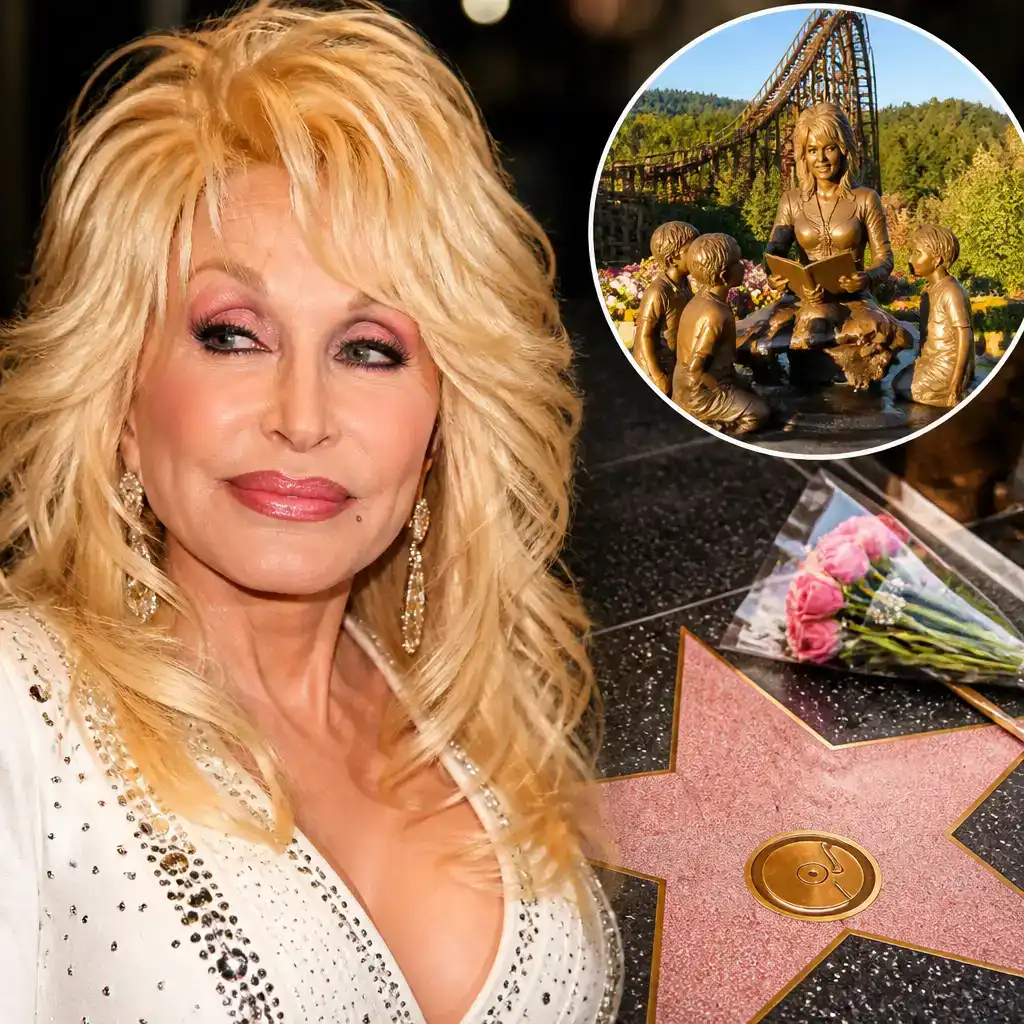
Her official website has been converted into a memorial. Fans have also left tributes at her statue in Sevierville, Tennessee, the Country Music Hall of Fame in Nashville and her star on the Hollywood Walk of Fame. Flowers, handwritten notes and photographs have accumulated at each site, an analogue response to the death of someone whose songs had already travelled nearly everywhere.
How have public figures responded?
President Donald Trump ordered federal flags to fly at half-staff through sunset on September 1. The proclamation covers federal buildings, military facilities and American diplomatic posts overseas. Early reports suggesting every flag in the country would be lowered gave the order rather more reach than presidents actually possess.
Jane Fonda, who starred with Parton in the 1980 film 9 to 5 and remained her friend, said she was devastated.
“More than anyone I have ever known, Dolly will always be with us because she was so present, so powerful, so generous and playful that she is woven into all our lives and hearts forever,” Fonda wrote.
Beyoncé, who worked with Parton on the 2024 album Cowboy Carter, called her “the barometer” and “the north star,” praising her artistry, generosity, humour and entrepreneurship.
Taylor Swift said a world without Parton “doesn’t feel possible, real, or right,” while Kacey Musgraves wrote that the world felt “a lot less sparkly.” Country Music Association chief executive Sarah Trahern said Parton would be remembered for the “genuine difference” she made around the world.
Sir Paul McCartney, Céline Dion, Sir Mick Jagger and Billy Joel were among the other musicians who paid tribute.
Why did her songwriting change popular music?
Parton became one of country music’s defining singers, but songwriting was the foundation of her career. Across more than 60 years, she wrote over 3,000 songs and sold more than 100 million records worldwide.
Her best-known recordings include Jolene, 9 to 5, Coat of Many Colors and Joshua. She wrote I Will Always Love You as a professional farewell to Porter Wagoner, who had hired her for The Porter Wagoner Show and helped her secure a recording contract.
Parton’s original version became a country hit. Whitney Houston’s recording for the 1992 film The Bodyguard turned it into one of the most commercially successful ballads of the century. Parton retained the songwriting credit, a useful demonstration that business sense and artistic credibility do not have to quarrel.
Born in 1946 in a one-room cabin in Locust Ridge, Tennessee, Parton was the fourth of 12 children. She began singing at six in the church where her grandfather preached. By 13, she had performed at Nashville’s Grand Ole Opry. Music provided the route out of poverty, but she spent much of her later life directing money and attention back toward communities like the one that raised her.
What happens to the Imagination Library now?
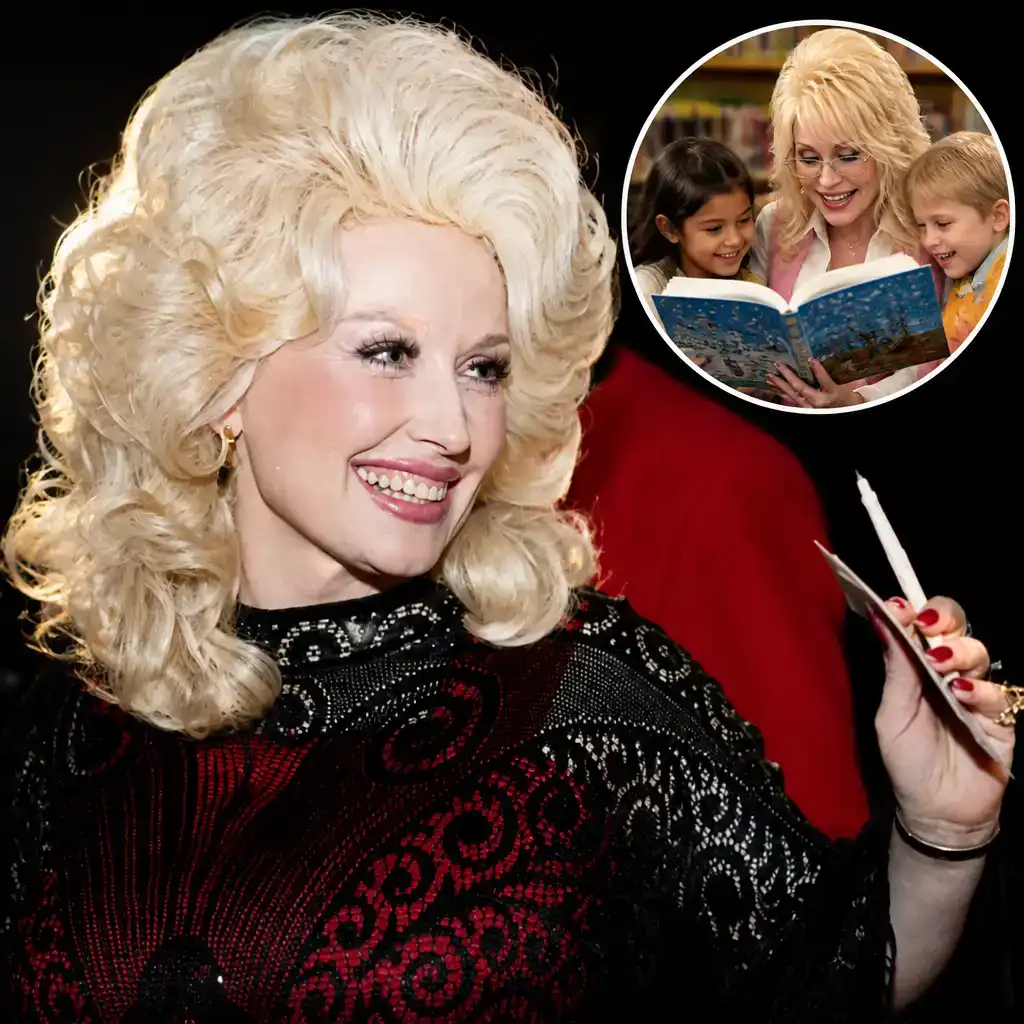
Parton’s legacy extends well beyond recordings and Dollywood, the Tennessee theme park carrying her name. Her Imagination Library sends free books to young children, with local partners and public agencies helping finance distribution.
By June 2026, the programme had delivered more than 325 million books and was mailing over 3.5 million each month. Those figures surpass the 300 million total widely cited in early reports of her death.
The scale also creates a practical question: whether governments and donors will maintain that support without Parton personally driving attention toward it. Axios reported that Missouri reduced annual funding for the programme from roughly $6 million to $2 million and stopped accepting new enrolments. It is a reminder that even beloved charitable projects still encounter budgets, forms and officials carrying calculators.
Parton’s other giving included a $1 million donation to coronavirus research at Vanderbilt University in 2020, which helped support work behind Moderna’s Covid-19 vaccine. After the 2016 Great Smoky Mountains wildfires, her relief fund distributed roughly $9 million to 900 affected families.
She also supported Black and LGBTQ+ communities, childhood diabetes research, music education and military families. The songs secured her fame. The institutions she built will determine how much of her practical influence survives it.