Nepal’s National Disaster Risk Reduction and Management Authority said more than 1,300 people were missing. Other estimates included:
- The Kathmandu Post counted 826 people out of contact in Nepal, including 590 tourists and 28 security personnel.
- The Nepal Tourism Board initially told the BBC that 644 tourists were missing.
- Board spokesman Sunil Sharma later put the tourist total at 655.
- ABC reported that roughly 1,500 people were missing across Nepal and Tibet.
The differences may reflect changing information, separate geographic areas and whether lists include residents, tourists, guides and security personnel. None of the totals suggests the situation is improving quickly.
The Nepal Red Cross has started moving from immediate rescue operations towards what chairman Bishal Kumar Bhandari described as “large-scale relief”. Search teams must now work alongside efforts to shelter survivors and restore access to isolated areas.
Pilgrimage groups were caught at the border
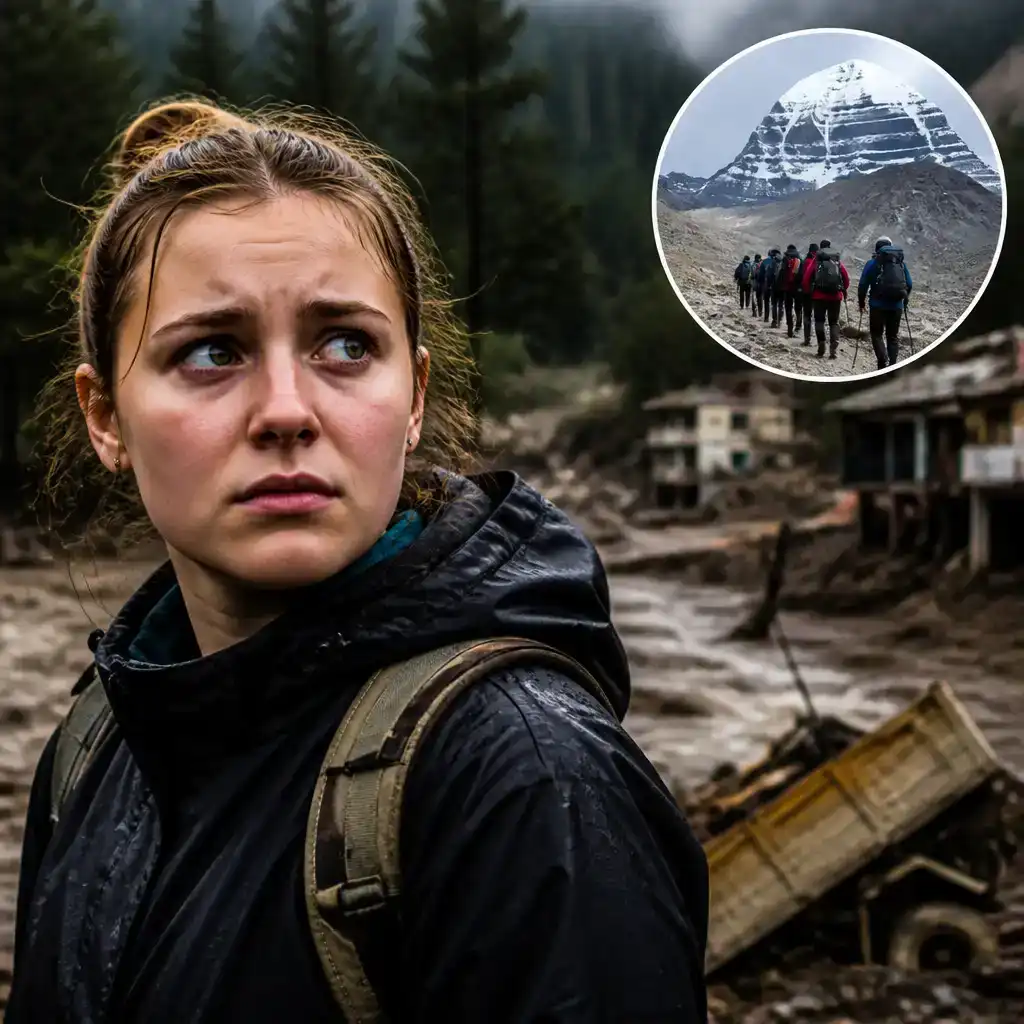
Many of those missing were travelling to Mount Kailash, which is sacred to Hindu, Buddhist, Jain and Bon pilgrims. International groups often pass through the Gyirong border crossing, concentrating large numbers of travellers at immigration facilities.
The Trekkers’ Society said nine UK nationals disappeared after crossing the Nepal-Tibet border. The group included four males and five females, with the youngest aged 14. Reports differed on whether the oldest male was 50 or 54.
According to the company, the travellers were at Chinese immigration when the flood struck. It has not heard from their guide since.
Himalayan Glacier US told the BBC that it had lost contact with 47 guests and staff travelling to Mount Kailash, including two British citizens. Kailash Journeys separately reported 27 guests and employees missing. A list supplied to the BBC identified two British men in that group.
Fishtail Tours, which organises expeditions and trips in Nepal and Bhutan, said one British national was unaccounted for. Sadhguru also said 77 members of an international pilgrimage contingent were at the immigration centre when the flood arrived.
Tour operators lost contact within minutes
One Nepali tour operator reported that four of its local guides were also missing. Manager Kumar Adhikari said he remained in contact with them until 8.40am, when they were expected to be at Tibet’s immigration office. Their phones then disconnected.
“We were hoping that inside it was safe,” he told the PA news agency. That hope faded after Chinese government footage showed that the Tibetan side had also been struck.
Adhikari said he was responding gradually to relatives of the British travellers but had no reliable updates to give them. He sent copies of the clients’ passports to the British consulate.
“I feel so sad,” he said. “We are just thinking about what to do next. We are in pain at the moment, deep pain.”
China mobilised nearly 800 rescuers and 150 vehicles in Tibet, according to Xinhua. Rescue work remains complicated by destroyed transport links, unstable terrain and widespread power failures.
In Nepal, families have spent more than a day waiting for calls that may not come. Shova Shrestha told the Associated Press that her husband’s phone initially rang before becoming unreachable.
UK offers money and rescue assistance
Prime Minister Andy Burnham announced that the UK had offered £5 million to support the Nepali government, calling the flooding a “very distressing and devastating situation”. He urged British citizens in the region to follow local instructions and official travel advice.
The Foreign Office said it was working closely with Nepali authorities following “concerning reports of British nationals who are missing”. It advised people in affected areas to remain alert because conditions were continuing to change.
Foreign Secretary Ed Miliband said on Thursday that he had spoken to his Nepali counterpart and offered financial support, search-and-rescue assistance and other help. In a joint statement with Australia, the European Union, Finland, France, Norway and Switzerland, the British embassy urged foreign nationals to exercise caution.
The King said he and the Queen were “heartbroken” and offered their “most profound sympathy” to those affected.
Pramod Pudel, who lives in East Sussex but comes from Nepal, told BBC Radio Sussex that he was flying back to search for his wife, mother, brother and uncle. He said “nothing remains” where his family lives.
“There’s no power, no electricity, so I can’t contact anyone,” he said. “It’s a very difficult time not knowing what’s happening.”
Did a warning failure worsen the disaster?
Scientists say the flood has exposed a dangerous weakness in cross-border monitoring across the Himalayas. Ice, rock and water do not pause for immigration procedures, yet warnings must still pass between different agencies and national authorities.
Neera Shrestha Pradhan, a researcher at the International Centre for Integrated Mountain Development, told ABC that investigators were examining whether an ice avalanche upstream triggered the flooding.
Researchers have warned that warming temperatures are destabilising Himalayan glaciers and surrounding slopes. That can increase the threat from avalanches, landslides and sudden releases of water, particularly in narrow river valleys where communities may have only minutes to evacuate.
Faster monitoring and information-sharing between China and Nepal could therefore become central to the investigation. The speed of the August 26 surge suggests that any warning system would need to operate almost immediately to be useful.
For the families of the 33 missing Britons, the priority remains much more immediate: confirmation of where their relatives were when the water arrived, and whether rescue teams can still reach them.