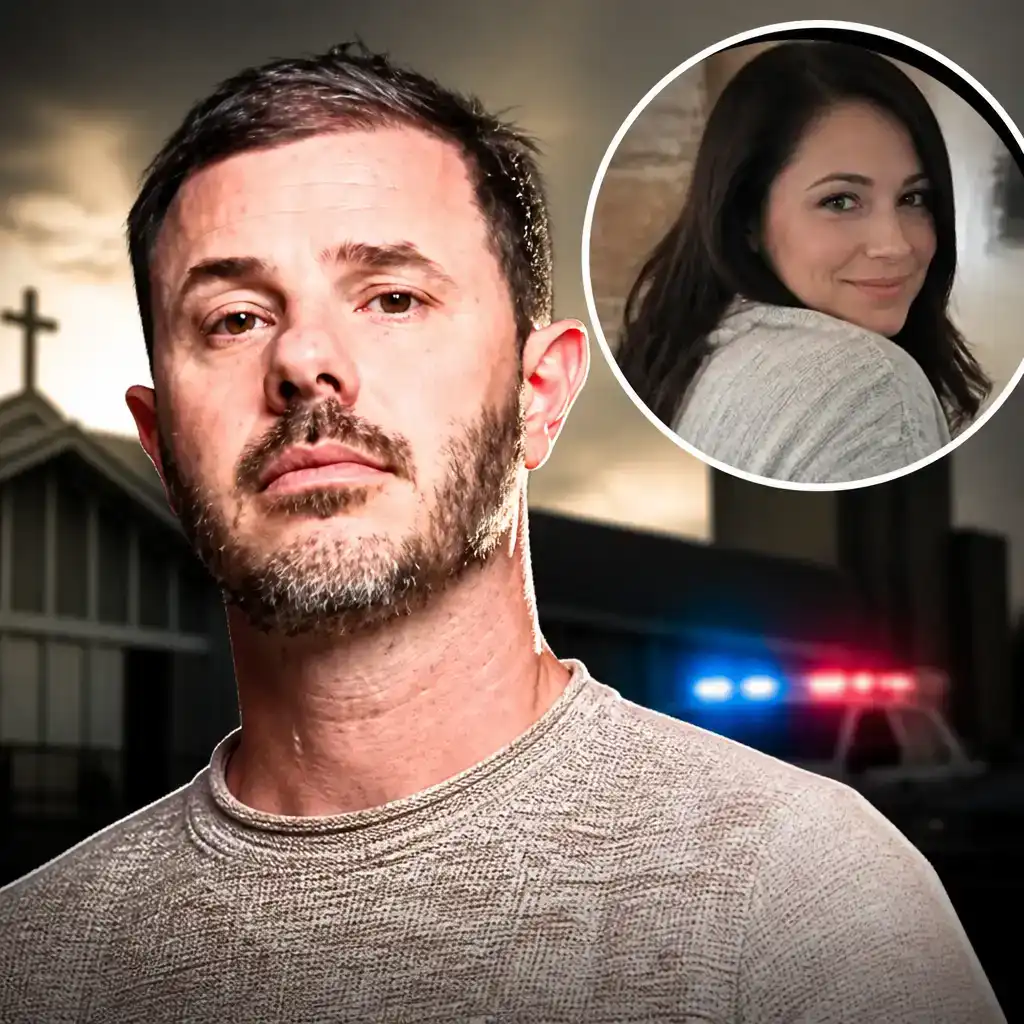
According to the arrest warrant, Caron yelled at Miller before he approached her, recorded her with his phone and allegedly struck or tapped the brim of her cap. A witness told WMBF that Miller hit the cap twice.
The available video adds an important complication: WMBF reported that it did not appear to show the alleged assault. Caron nevertheless said Miller entered her personal space and threatened her.
“When a woman sets a clear boundary … the response isn’t to threaten her further,” she told the broadcaster.
Long described the encounter rather differently, saying Caron and other protesters had been “baiting” his client. Miller was released on bond, and recent reporting lists no scheduled court date or final disposition for the charge.
Why were protesters outside Solid Rock Church?
Protests began after Mica Miller died by suicide on April 27, 2024. Footage from a sermon Miller delivered the following day circulated widely, bringing renewed attention to allegations that he had abused and stalked his wife.
Miller denies those allegations. He has not been charged in connection with Mica’s death.
The Justice for Mica campaign moved from social media to regular demonstrations outside Solid Rock Church, with protesters carrying signs and demanding further scrutiny of Mica’s treatment before her death.
Solid Rock later closed, and the building was sold. Miller claimed the property would become condominiums, but the Myrtle Beach Sun News found that claim was false. The buyer instead resold it to Market Common Community Church.
Miller subsequently established Mercy Church in the Myrtle Beach area, serving a smaller congregation. Demonstrations have continued there, because changing the sign outside a building rarely settles the dispute inside it.
Netflix’s documentary concentrates mainly on Mica’s life and the allegations described by her relatives and friends. It does not cover every later confrontation, including Miller’s arrest over the Caron incident.
How did the protest dispute reach civil court?
In January 2025, Miller filed similar lawsuits against Caron and fellow protesters Melissa Pfeiffer and Alexandra Cuozzo. The claims included harassment, defamation, stalking and invasion of privacy, with Miller alleging that their campaign had harmed both his reputation and Solid Rock Church.
The women responded with countersuits. Pfeiffer alleged assault and battery over an incident in which Miller turned on sprinklers outside the church. The counterclaims also accused him of abuse of process and intentional infliction of emotional distress.
Those cases were part of a substantially larger collection of legal actions. The Myrtle Beach Sun News counted more than 20 lawsuits and restraining-order applications connected to Miller and the protesters.
On June 18, 2025, Miller, Caron, Pfeiffer and Cuozzo dismissed their claims with prejudice, meaning they cannot bring the same claims again. Each side agreed to cover its own legal costs, and no settlement was reported. At the time of the newspaper’s reporting, a separate lawsuit involving Samuel Rickman remained pending.
The volume of paperwork was considerable. The legal resolution was less dramatic: most of the parties simply agreed to stop suing one another.
What federal charges does Miller face?
The separate federal case concerns Miller’s alleged conduct towards Mica between November 2022 and her death in April 2024. A federal indictment charges him with cyberstalking and making false statements to investigators.
The United States Department of Justice alleges that Miller:
- contacted Mica more than 50 times in one day
- posted a nude image of her without consent
- used tracking devices on her vehicle
- tampered with her tyres
- made false statements to federal investigators
Cyberstalking carries a maximum sentence of five years in prison. The false-statement charge carries up to two years, and Miller could also face a fine of up to $250,000 if convicted.
He has pleaded not guilty and remains free on bond. His federal trial is listed for the October 2026 term. These remain allegations, and the federal charges do not accuse him of causing Mica’s death.
Mica’s brother, Nate Francis, told the Netflix series that the counts represent “only a fraction” of what he alleges Miller did.
Could Mica’s case change South Carolina law?
The public response has extended beyond documentaries, protests and overlapping court filings. Proposed legislation known as “Mica’s Law” would criminalise coercive control, a pattern of behaviour that can include isolation, surveillance, intimidation and financial restriction.
The proposal stalled in South Carolina, but state Senator Stephen Goldfinch has said he plans to reintroduce it. Any renewed bill would face the usual legislative process, where even measures born from intense public attention can spend a long time waiting for action.
For now, Miller faces a federal trial term beginning in October, while the separate assault allegation involving Caron has no publicly reported hearing date.
If you are experiencing domestic abuse in the UK, Refuge’s National Domestic Abuse Helpline is available free and confidentially 24 hours a day on 0808 2000 247. If you are struggling with suicidal thoughts or emotional distress, Samaritans can be contacted free at any time on 116 123. If you are in immediate danger, call emergency services.