Ormund also makes himself comfortable by displacing Tumbleton’s ruling lord and lady from their quarters, then threatening them while making it clear that his own rest is, naturally, the priority. Around him are “Bold” Ser Jon Roxton, played by Joplin Sibtain, and a young page who is revealed to be the real Prince Daeron, played by Benjamin Evan Ainsworth.
Daeron gets one of the episode’s quieter character notes when he subtly warns a serving boy to move away before Ormund explodes in rage. It is a small moment, but it tells us he still has instincts his uncle has not beaten out of him yet.
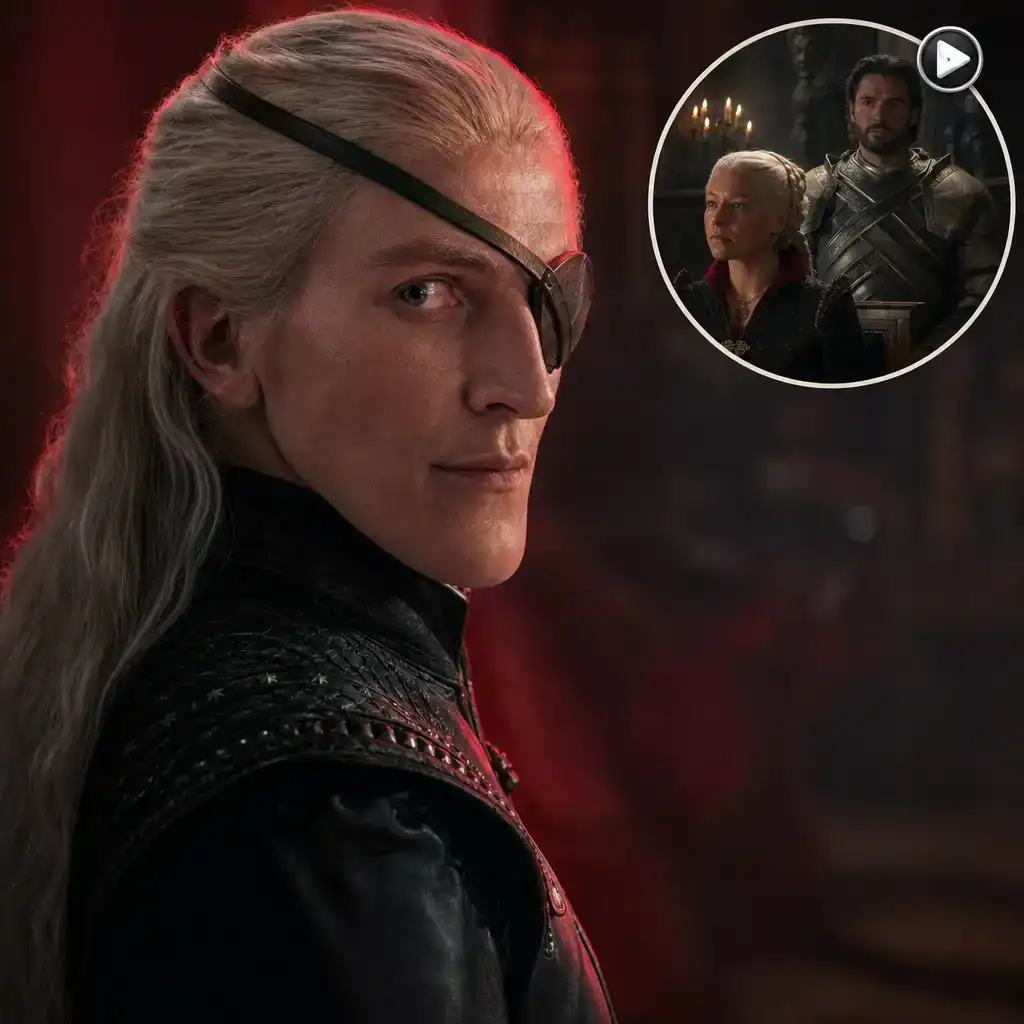
Aemond Is Missing, and Everyone Notices
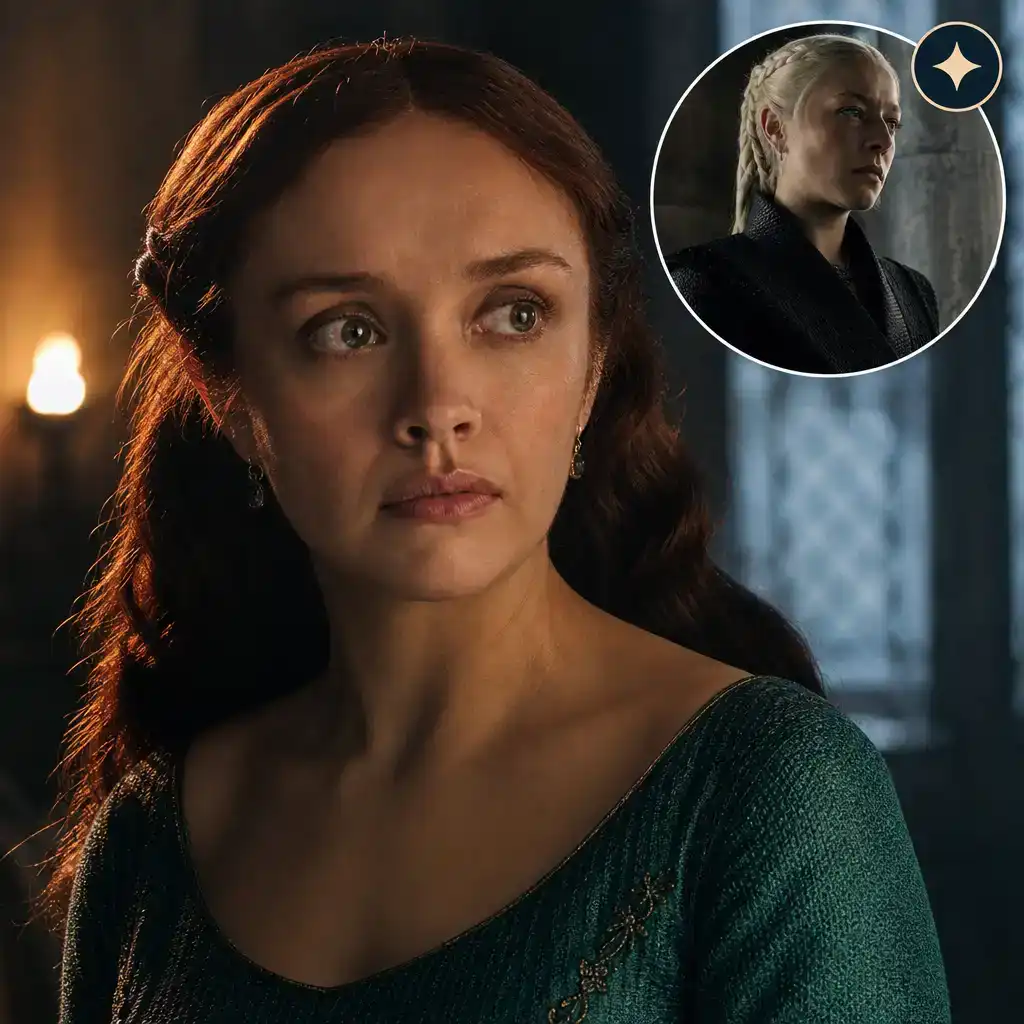
Ormund’s plan depends on Aemond and Vhagar showing up. Unfortunately for him, Aemond is nowhere to be found after being stabbed. Criston Cole learns the same thing when he reaches Harrenhal and finds only Alys Rivers lingering there.
When Ormund receives the news, he reacts with a storm of profanity and furniture abuse. His combination of sudden violence, obsession with cleanliness, and careful clothing makes him instantly legible to experienced Westeros viewers: entertaining, dangerous, and almost certainly destined to suffer the most unpleasant field conditions imaginable.
More importantly, the episode makes clear that Ormund is not merely an enemy commander. He is a villain. He first appears to forgive Leo, Kat’s brother, for defending her against a rapist in Ormund’s ranks. Later, he has Leo abducted and forces Daeron, whom Ormund believes should be the next king, to execute him.
Daeron is visibly shaken, but obedience to his volatile uncle has been drilled into him. The scene carries a grim echo of the original Game of Thrones pilot, where Ned Stark taught his children that the man who passes the sentence should swing the sword. Here, the lesson is poisoned.
Like High Septon Eustace in the previous episode, Ormund calls dragons an abomination and a blasphemy. He is still willing to use their power, of course. Westeros remains a land of firm principles, right up until those principles become inconvenient.
Rhaenyra’s Council Problems Keep Growing
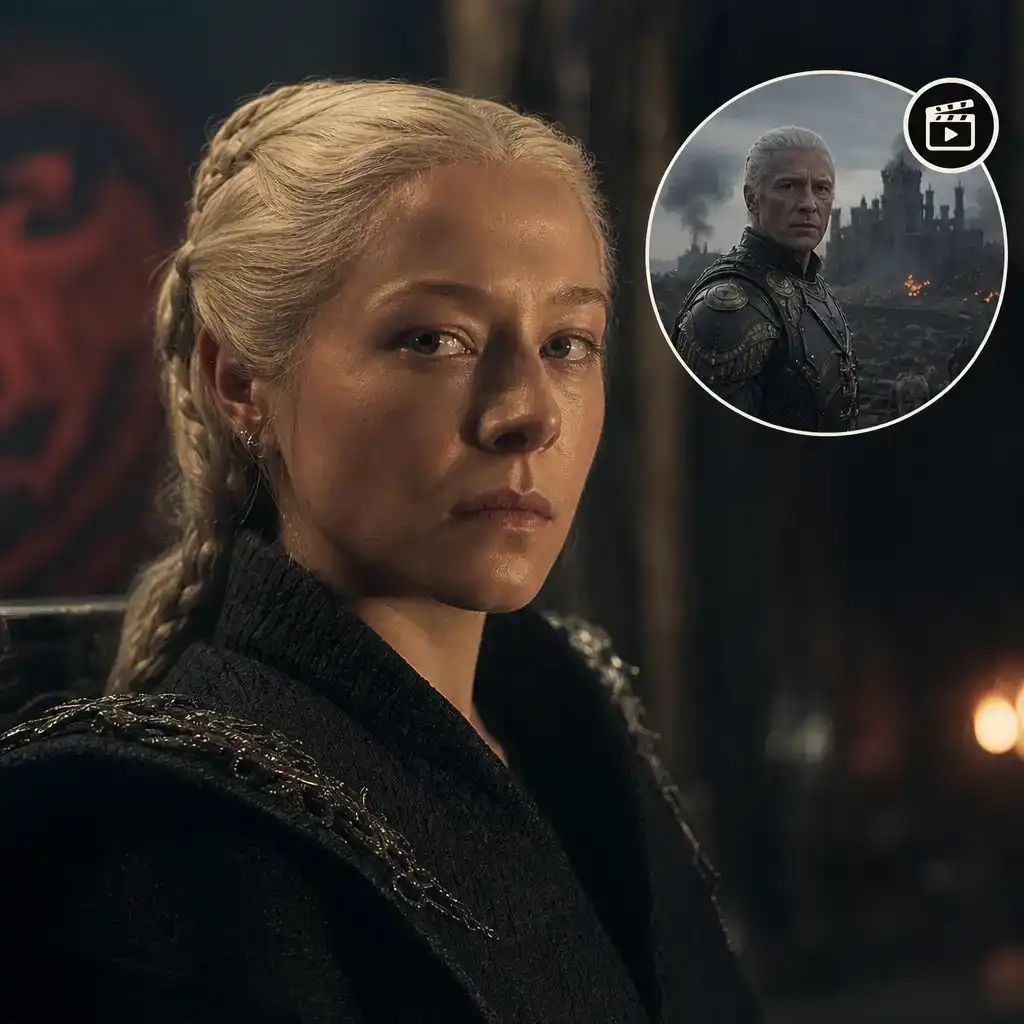
Back in King’s Landing, Rhaenyra is trying to assemble a functioning government while discovering that taking the capital and ruling it are not the same job. She continues to rely heavily on Mysaria, played by Sonoya Mizuno, and she has appointed Ser Torrhen Manderly, played by Dan Fogler, as Master of Coin.
Corlys Velaryon, played by Steve Toussaint, has gone off to hunt pirates, leaving Rhaenyra to speak with Alyn, played by Abubakar Salim. Their scene suggests Alyn may be able to step into some of his father’s political and practical space. His most revolutionary proposal is also painfully simple: cats might help with the rat problem.
Rhaenyra also learns something suspicious about the Hightowers. There is apparently no record of messages from Ormund during all the years Otto Hightower lived in King’s Landing, suggesting someone carefully removed them.
Then there is Ulf, played by Tom Bennett, who comes asking for money and favors. Rhaenyra responds by trying to confine him inside the Keep because he is too valuable to risk outside. Ulf, not exactly charmed, tells her about graffiti calling her the “Queen of Bastards.”
Rhaenyra orders the Gold Cloaks to find the people responsible, but she fails to set boundaries on how they should do it. They respond with brutality. For a queen already struggling to win the public, this is not ideal political outreach.
Aegon and Larys Find Safety, Just Barely
Elsewhere, the scarred Aegon Targaryen, played by Tom Glynn-Carney, has reached Rook’s Rest with Larys Strong, played by Matthew Needham. It is not a glorious refuge, but it is safe, and for Aegon that now counts as a significant improvement.
Aegon remains convinced that Sunfyre is not fully dead, only mostly dead. Given the condition of both king and dragon, this could be delusion, stubborn hope, or a bit of foreshadowing the show is keeping warm.
Larys, meanwhile, continues doing what Larys does: keeping a damaged king alive because a damaged king can still be useful. Their arrangement has always been transactional, but this episode underlines the strange intimacy of political survival. Aegon may have lost the throne, much of his face, and any stable claim to dignity, but he still has value to someone.
That is not the same as being loved. In this world, it may be safer.
Daemon Finds Rhaena and Chooses a Lie
Daemon Targaryen travels to the Vale to demand money from Lady Jeyne, played by Amanda Collin, who receives him with all the warmth one might expect from someone being pressured by a dragonlord.
While he is there, Caraxes begins acting strangely. The dragon ignores Daemon’s commands and flies to a small, rocky ledge. There, Daemon discovers that Rhaena, played by Phoebe Campbell, was the mystery rider on Sheepstealer when Jace died.
The revelation leaves him stunned. Rhaena has bonded with a wild dragon, something both remarkable and dangerous. But she is also devastated and half-unmoored by grief. She rejects his offers of help or redemption and flies away.
Daemon then notices a shepherd below. Soon after, he brings the man’s head to Rhaenyra and claims it belonged to Sheepstealer’s rider. It is a reckless lie, even by Daemon’s flexible standards. The fact that it seems meant to protect Rhaena does not make it less likely to explode later.
The Episode Is Really About Protection
For all the shifting armies and dragon strategy, the episode keeps circling one question: who gets protected, who gets abandoned, and who is worth lying for.
That idea runs through several storylines:
- Leo dies after trying to protect Kat.
- Kat’s husband asks for duty at Tumbleton in the hope of saving her.
- Larys keeps Aegon alive, whatever his deeper motives.
- Alicent realizes Helaena is pregnant again and understands they need to leave the Red Keep quickly.
- Daemon lies to Rhaenyra to shield Rhaena.
- Daeron obeys Ormund, even as the cost visibly damages him.
The episode is not asking viewers to admire all of these choices. It is showing how love, fear, duty, and self-interest can look very similar when everyone is trapped.
Criston Cole Finds a New War to Fight
Criston Cole, played by Fabien Frankel, is almost cheerful when he learns Rhaenyra has taken the throne. That is probably not a healthy response, but it does snap him out of his misery.
At Harrenhal, after finding Aemond gone and Alys Rivers the only person left behind, Criston decides there is nothing left to lose. His solution is a desperate guerrilla campaign. He plans to move toward Tumbleton and harass the River Lords as they march south.
“Let us become wraiths…Our fight will not be clean, but it will be pure,” he says. “And it will be free from dragons.”
That last part is ambitious, given the general dragon saturation of the conflict. Still, optimism comes in many forms, including extremely bad military assumptions.
Verdict: The Civil War Was Never Over
This episode works because it trusts viewers to connect the pieces without explaining every move on the board. The show, once prone to long stretches of courtly inertia, has found a stronger rhythm: enough conversation to clarify motives, enough action to show consequences, and enough withheld information to keep the pressure rising.
By spending so much time with the Greens and their remaining allies, the hour sharpens the threat still facing Rhaenyra. Ormund Hightower is not just another commander. Daeron is not just another hidden prince. Aemond’s disappearance is not just a loose end. Together, they make the aftermath of Rhaenyra’s victory feel unstable and dangerous.
The throne may be hers, but the realm has not accepted that fact. With Tumbleton under occupation, Aegon still breathing, Daemon concealing the truth, and Criston preparing a dirtier kind of war, the conflict is clearly far from settled.