Full spoilers follow for Season 3, Episode 6, “Faceless Men.”
The House of the Dragon Season 3 Episode 6 recap begins with Criston Cole dying and the series immediately finding several dozen other crises to discuss. It is a striking choice. After years of becoming one of Westeros’ most resented men, Cole finally shows courage, offers himself for his soldiers and is cut down before the opening sequence is over. Nobody gets much time to process it, including the audience.
Directed by Loni Peristere and written by David Hancock and Shyam Popat, the episode was screened at San Diego Comic-Con on July 25 before its July 26 broadcast. It balances that brutal opening with political confession, romantic disappointment and a false-flag assassination attempt. The result is one of the season’s strongest hours, although its crowded structure sometimes treats major developments like administrative updates.
How Criston Cole dies at the Butcher’s Ball
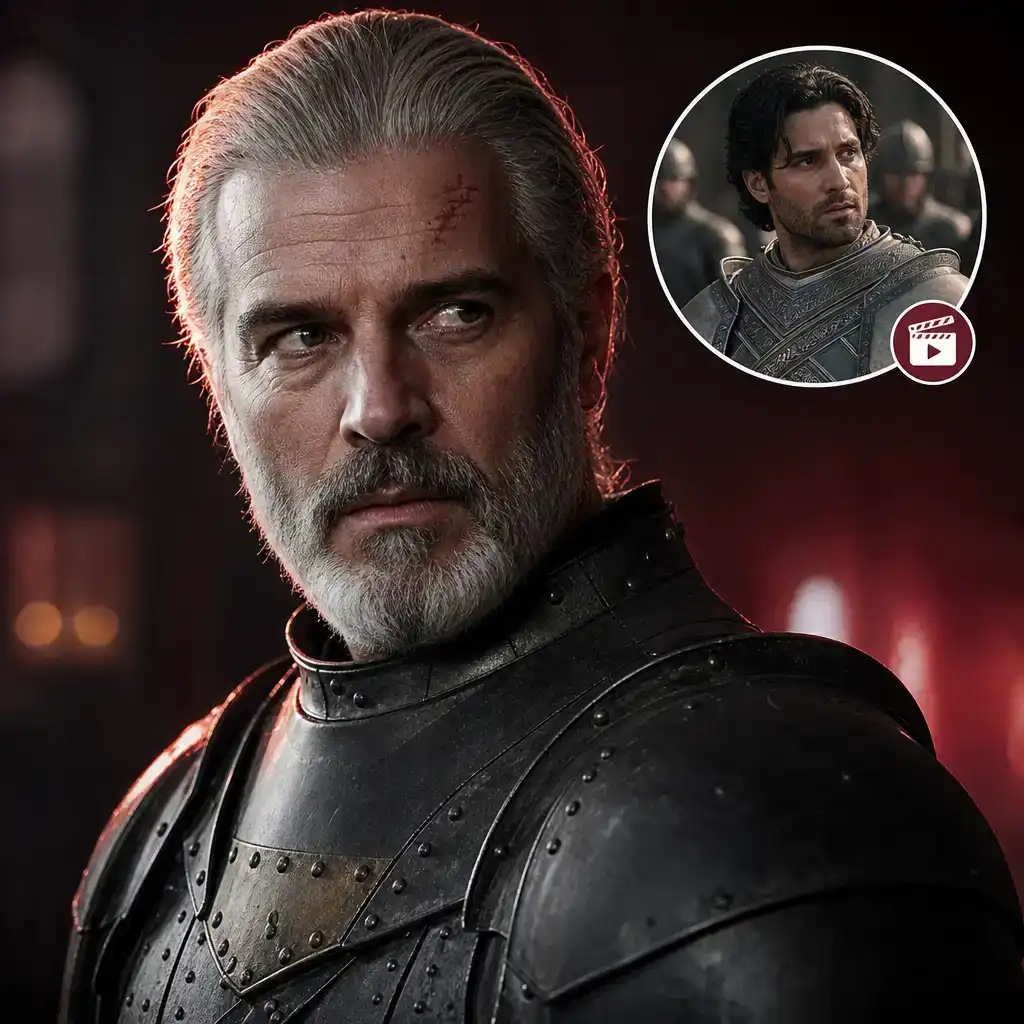
Criston Cole, played by Fabien Frankel, leads his weakened army into an ambush known as the Butcher’s Ball. His troops survive the first attack and defeat their apparent opponents, only to discover that a larger force has surrounded them.
Cole fights with the competence and grim resignation he has developed this season. When defeat becomes unavoidable, he wraps Alicent Hightower’s token around his sword and offers his own life in exchange for those of his men. Lady Alysanne “Black Aly” Blackwood, played by Annie Shapero, answers by ordering the fatal volley and firing with the archers herself.
The sequence is beautifully staged, but Cole’s death is over almost as soon as it lands. W critic Carolyn Twersky Winkler called it “fairly anticlimactic,” while Esquire’s Josh Rosenberg argued that Cole “deserved more.” Ready Steady Cut’s Jonathon Wilson likewise praised the staging but said the episode’s many characters and locations allowed major moments to become “lost in the shuffle.”
That criticism has weight. Cole successfully delays Rhaenyra’s Rivermen from reaching Tumbleton by several weeks, yet the episode offers no meaningful reaction to his death. For a character who helped ignite so much of the conflict, his exit leaves remarkably little smoke.
What the television version changes from Fire & Blood
Cole also dies at the Butcher’s Ball in George R.R. Martin’s Fire & Blood, but the series substantially changes who confronts and kills him.
In the book, Cole’s starving army is surrounded south of the Gods Eye. His attempted parley involves Roderick Dustin, Garibald Grey and Pate of Longleaf. Red Robb Rivers and two other longbowmen then fire the arrows that kill him. Black Aly and Oscar Tully do not occupy the roles they receive in the television version.
The adaptation also removes Cole’s famous insistence that his enemies deny him an honorable duel because they fear songs would be written about him. That omission makes his final act less concerned with reputation and more focused on saving his soldiers. Moving the kill to Black Aly gives a previously marginal woman a defining moment, while consolidating several book characters into faces television viewers already know.
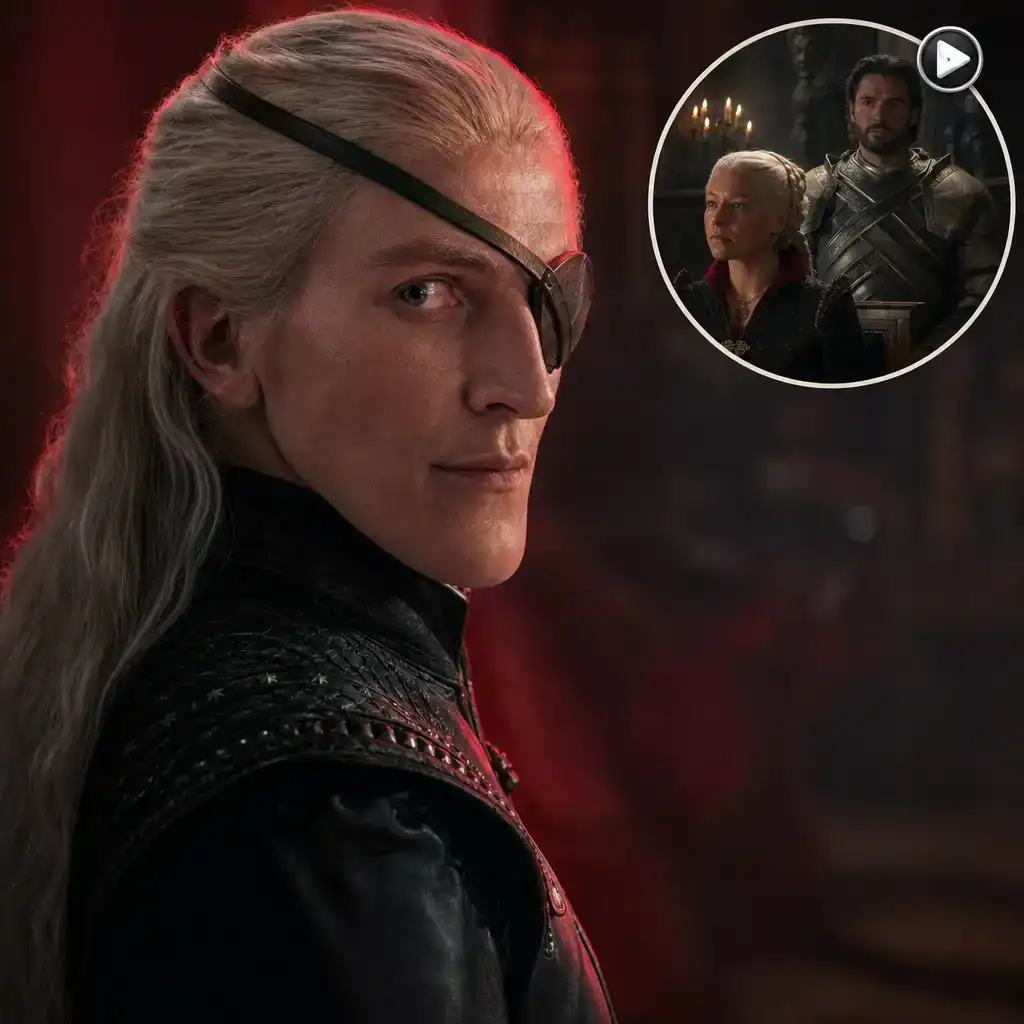
After Cole’s execution in the source history, hundreds of his men are slaughtered. Mushroom records that Garibald Grey described the event as butchery rather than battle, inspiring its name. The victory represents the high point of Rhaenyra Targaryen’s military fortunes, but it does not end the war. Aemond Targaryen and Aegon Targaryen remain active, which is rather important when both men have dragons and unresolved grievances.
Why Alicent tells Rhaenyra about Helaena
Back in King’s Landing, Rhaenyra Targaryen, played by Emma D’Arcy, confronts Alicent Hightower over her attempted escape. Alicent, played by Olivia Cooke, responds by revealing that Helaena Targaryen is pregnant.
The disclosure is both personal and political. Another child could strengthen the rival dynasty and complicate Rhaenyra’s control of the throne. Rhaenyra understands the danger but is still offended that Alicent did not trust her. By the end of the episode, however, she is asking Alicent to help kill her son Aemond. Trust remains a flexible concept in the Red Keep.
Alicent’s problems extend beyond Rhaenyra. Helaena is furious because her mother lied about bringing her young daughter during their escape attempt. She refuses to eat, leaving Alicent to manage a daughter who feels betrayed while negotiating with a queen who increasingly views mercy as a strategic liability.
The scene works because neither woman is entirely wrong. Alicent is protecting Helaena and her unborn child. Rhaenyra is trying to prevent another succession threat. Their former friendship gives the exchange emotional weight, but the war has reduced every family confidence to a calculation.
Helaena’s visions provide the decisive complication. She has seen Aemond’s hiding place at Harrenhal, giving Rhaenyra information that Alys Rivers does not realize she possesses.
Rhaenyra’s rule faces pressure from every direction
Rhaenyra has become more decisive than her father, Viserys, but action has not made her politically reliable. Her council remains difficult to control, Daemon Targaryen continues to operate independently, and ordinary residents bring complaints directly to her during audiences she repeatedly mishandles.
Her most dangerous decision is an assassination attempt disguised as a Baratheon delegation. The supposed envoys attack Lord Ormund Hightower’s party, only for Gwayne Hightower to save his life.
The operation is not merely a failed killing. House Baratheon had been attempting to remain outside the conflict, and Rhaenyra’s use of its sigil could push the house toward Ormund. By borrowing another family’s identity for political violence, she risks losing both diplomatic credibility and a potential neutral power.
That makes the scheme a test of wartime legitimacy. Rhaenyra wants to rule as the lawful queen, but lawful authority becomes harder to claim when she frames another house for murder. Ormund, meanwhile, needs only to expose the deception and present himself as the victim. He is already better at turning disorder into leverage.
The Iron Throne still cuts Rhaenyra when she sits upon it, but the physical wounds are becoming the simplest part of her reign. Her enemies are not just attacking her armies. They are encouraging the public, noble houses and even her own allies to question whether she can govern.
Where the dragonriders stand after Episode 6
The dragonriders are scattered across Westeros, and nearly all of them are struggling with exhaustion, isolation or regret.
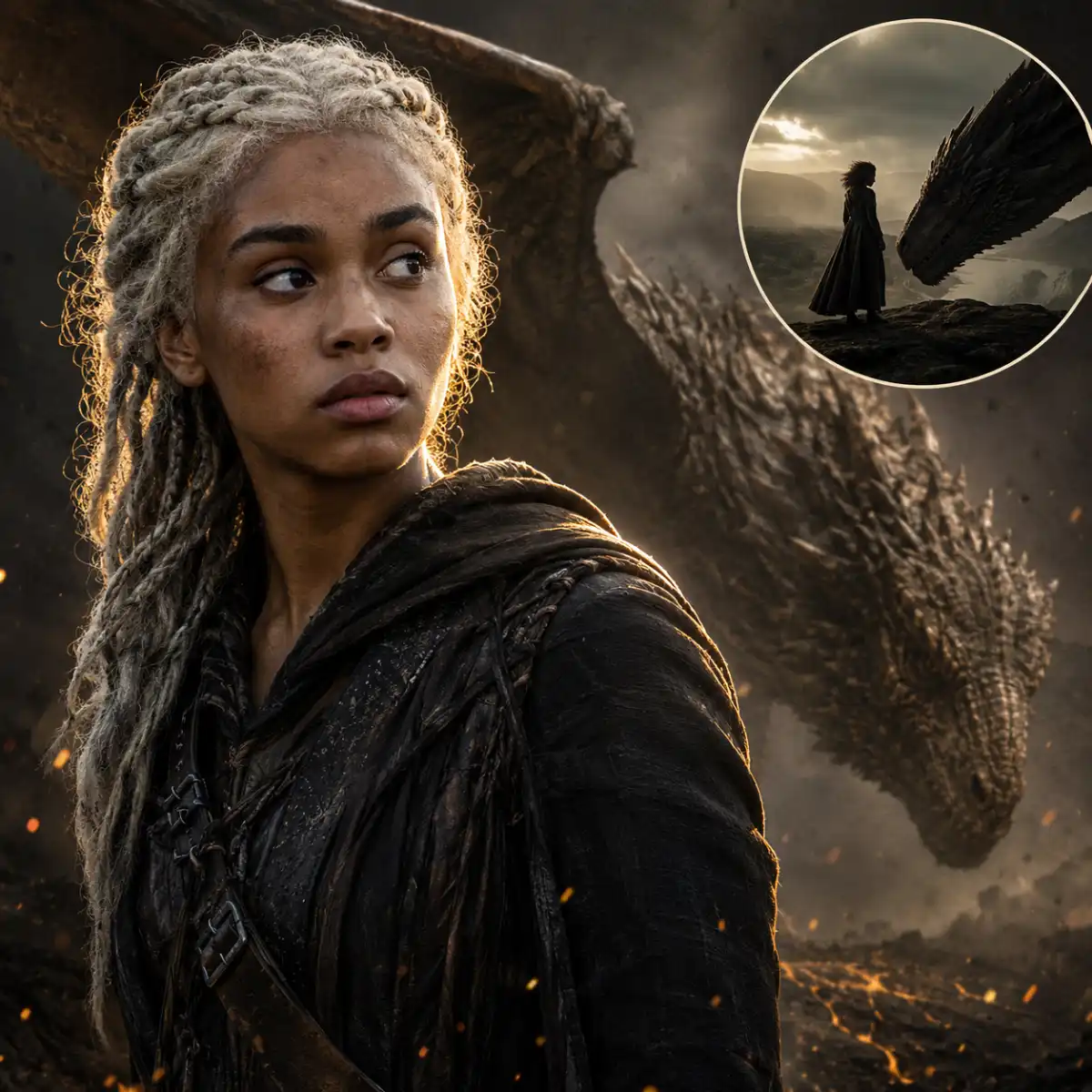
Baela Targaryen, played by Bethany Antonia, continues searching for Vhagar while trying to redeem herself after the Battle of the Gullet. She pushes herself dangerously hard, though she finds a moment of intimacy with Alyn of Hull, played by Abubakar Salim. Alyn has grown into a capable leader and adviser, making their connection feel rooted in mutual respect rather than convenient romance.
In the Vale, Rhaena Targaryen, played by Phoebe Campbell, is surviving on scraps alongside the wild dragon Sheepstealer. Her decision to fly out in search of Baela brings her into conflict with Lady Jeyne Arryn.
Elsewhere:
- Aegon watches Tyland Lannister bury the person Aegon murdered in the previous episode and continues brooding over Larys Strong’s devastating assessment of him.
- Aemond remains at Harrenhal, uncertain whether to trust Alys Rivers before choosing to sleep with her. She advises him to wait, believing Vhagar’s absence keeps him hidden.
- Ulf grows increasingly resentful of long watches at Tumbleton and confinement in the Red Keep. Daemon catches him wandering through King’s Landing and orders him back.
- Hugh Hammer steals a farmer’s clothes and cart to visit his wife in Tumbleton. She accuses him of abandoning her for glory, while he insists he sought power to keep them safe. Both explanations contain enough truth to make the reunion painful.
How Ormund turns chaos into a weapon
Daemon, played by Matt Smith, spends much of the episode hunting the killers responsible for targeting the Gold Cloaks after the city’s police force resigns. He ambushes the ringleader introduced in the previous episode, but removing one leader does not dismantle the wider network. Ormund’s campaign of disruption has spread beyond any single organizer.
James Norton’s Ormund Hightower remains the episode’s most effective strategist. He lectures Daeron Targaryen with statements including, “The common man as a rule is of no interest or concern,” and dismisses Rhaenyra as too “squeamish” to burn her own subjects. The latter claim is particularly selective after his warning about the formidable Meria Martell in the previous episode.
Ormund is also openly cruel and homophobic toward Gwayne, played by Freddie Fox. He apologizes only after Gwayne saves him from Rhaenyra’s assassins. Gratitude arrives eventually, though basic decency apparently requires armed intervention.
His advantage grows further when “Bold” Jon Roxton, played by Joplin Sibtain, ambushes Corlys Velaryon. Corlys, played by Steve Toussaint, had set aside his anger at Rhaenyra and decided to return to King’s Landing. He is now apparently Ormund’s prisoner.
That development moves the series deeper into material not found in Fire & Blood. Corlys is never captured by the Greens in the book, while Gwayne does not survive Ser Luthor. Even readers familiar with Martin’s history can no longer assume they know where these characters are going.
Does the episode give its biggest moments enough room?
With two episodes remaining, Season 3 is operating at a higher level than the show’s previous seasons. The politics are complicated without feeling complicated merely for display, and quieter scenes such as Alicent’s confession or Hugh’s failed reunion give the war a human cost beyond troop movements.
W’s Winkler argued that the episode successfully balances its opening violence with intimate political and romantic scenes. That is largely true. The hour moves confidently between royal strategy, family betrayal and private disappointment.
Still, Cole’s death exposes the cost of that ambition. A central character is killed in a major battle, yet the episode has so much territory to cover that his absence barely registers afterward. The choice may reflect the war’s indifference to individual lives, but it also weakens the emotional payoff built across three seasons.
The larger picture remains compelling. Cole is gone, Corlys has been captured, Aemond’s location is compromised and Rhaenyra may have driven House Baratheon toward her enemies. Ormund ends the episode explaining more of his plans to Gwayne, making clear that taking the Iron Throne did not finish Rhaenyra’s war. It simply gave her a more visible place from which to lose control.