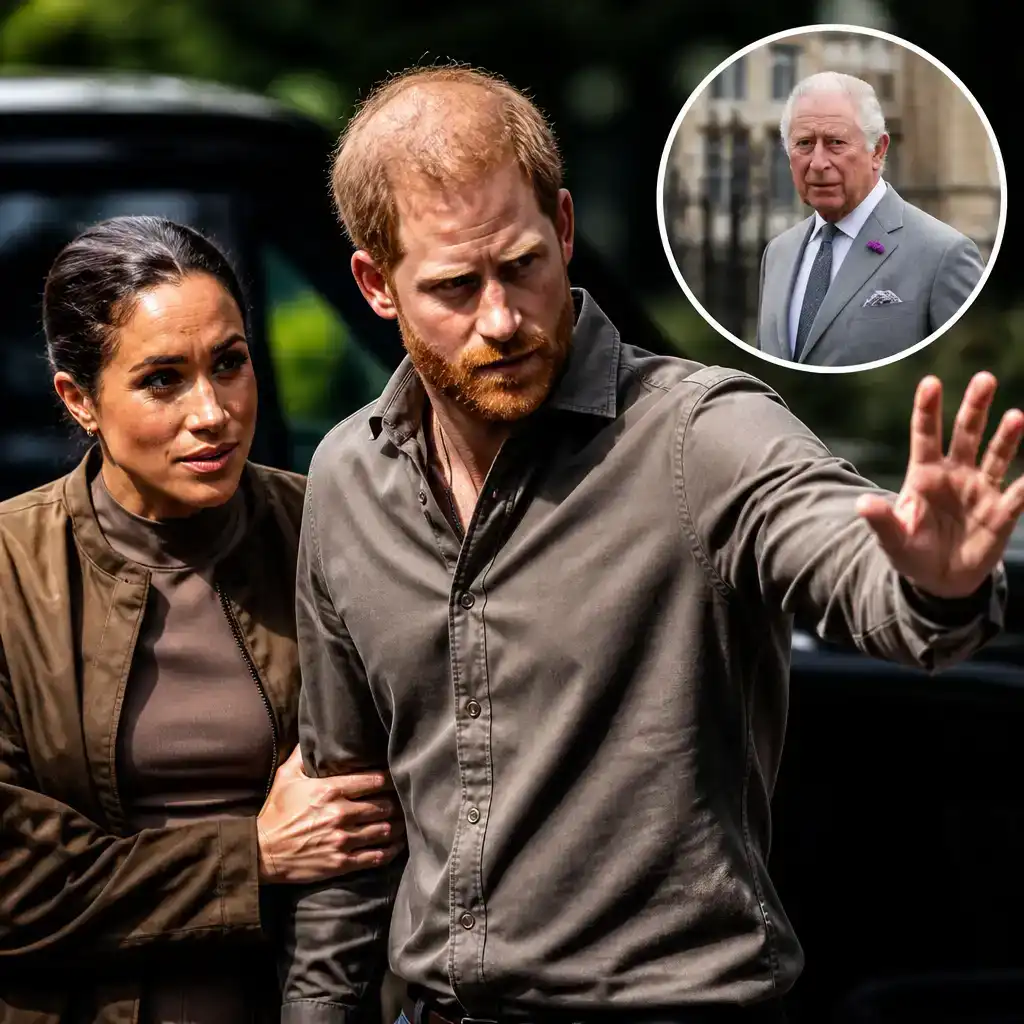
The intended audience matters. Harry and Meghan are expected to make public appearances as they settle in Britain and support their organisations. The guidance tells officials not to provide those visits with the ceremony, staffing or implied authority of a royal engagement.
The Associated Press reported that palace observers regarded the intervention as an attempt to prevent the appearance of a “parallel royal court”. In practical terms, the couple may remain famous, titled and closely watched, but none of that turns a charity visit into state business.
Were the Sussexes warned in advance?
A spokesperson for the Duke and Duchess said they were “a little surprised not to have been told about this in advance”. Royal sources offered a different account, telling the BBC and LBC that Harry’s team had seen the letter before it became public.
The disagreement appears to concern timing rather than whether notice was given at all. The Sussexes reportedly received the document roughly an hour before publication, and Harry may not have been contacted until its release was already close.
That left little opportunity to respond, which helps explain the spokesperson’s wording without fully resolving the dispute. The Palace says there was notice. The Sussexes say there was not meaningful advance warning. Royal communications continue to make simple chronology look surprisingly demanding.
ITV reported that Harry also rejects the description “non-working royal”. He argues that he remains a member of the family and committed to public service, even though he no longer represents the sovereign. The Palace, however, is defining his institutional role rather than debating his family membership or personal intentions.
Does the Sandringham Agreement still apply?
The letter reaffirmed the settlement reached at Sandringham in 2020, when Harry and Meghan left frontline royal duties and moved toward an independent commercial life.
That agreement rejected a hybrid arrangement under which they could pursue private business interests while continuing to perform selected duties for the Crown. Their return from California does not revive that option.
The distinction will become more visible as Harry resumes work connected with his charities. He founded the Invictus Games, whose eighth edition will take place in Birmingham from July 10 to 17, 2027. It will be the competition’s first British event since the inaugural Games in London in 2014.
Reports have also suggested Meghan may consider returning to acting. Any professional or charitable appearances would be undertaken privately, regardless of venue, guest list or the quantity of cameras outside.
Could they still receive taxpayer-funded security?
Royal status and police protection are related, but they are not the same question. The Royal and VIP Executive Committee, known as RAVEC, assesses protection for royals and other public figures according to risk and circumstances.
Harry and Meghan lost automatic, round-the-clock police protection after stepping down. Harry later challenged the arrangements through the courts, while his security has instead been considered case by case.
RAVEC has nine members, including three representatives of the Royal Household, according to ITV. Home Office officials also sit on the committee. It was expected to meet during the week of September 8 to consider the Sussexes’ protection now that they live in Britain again.
No outcome had been reported by September 8. The Home Office said it would not disclose operational decisions, adding: “The UK government’s protective security system is rigorous and proportionate.” It said releasing details could compromise both the arrangements and the people concerned.
The King’s letter avoided making a security judgment. Instead, it directed any operational questions to the relevant police authorities.
Why threat evidence may matter more than titles
A private security assessment submitted to RAVEC in February 2026 identified at least six jihadist or far-right plots involving Harry. It described terrorism by a lone actor as the highest-priority threat to the family.
That evidence creates a separate issue from the Palace’s insistence that the Sussexes hold no public role. Private citizens can still face exceptional threats, and police protection can be justified by risk rather than constitutional status.
The committee must therefore decide whether the couple’s return changes the practical danger they face and what level of taxpayer-funded protection is proportionate. The Palace has settled the easier question: Harry and Meghan do not represent the King. The security authorities are left with the harder one, namely whether being private makes them any less of a target.