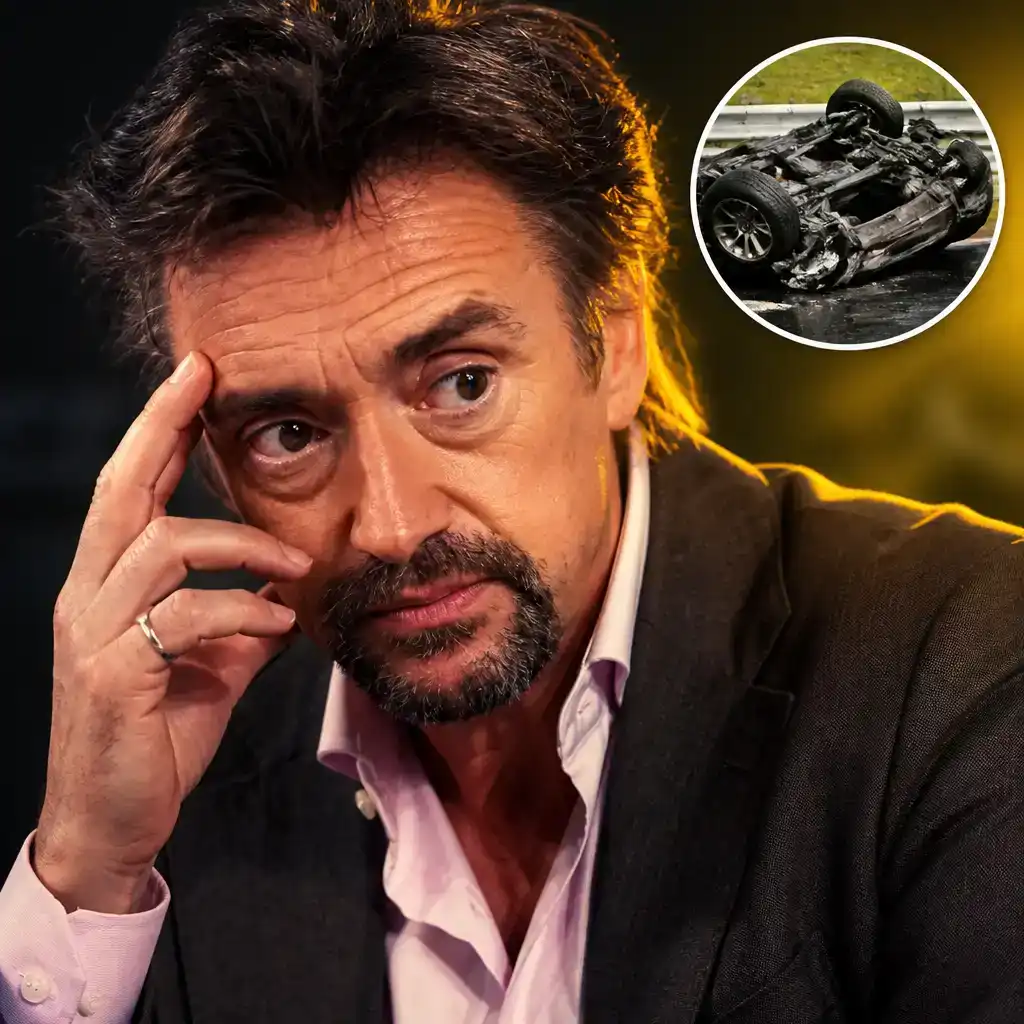
His rehabilitation was lengthy and included memory loss and psychological effects. In 2024, he described his memory as “shaky,” suggesting that concern about his cognitive health did not begin with this latest interview.
The official investigation also raised serious production-safety questions. It found that a clamp used to mount a cockpit camera may have worsened the impact to Hammond’s helmet. Cameras and mounting equipment were removed before police secured the scene, complicating efforts to establish precisely what happened. Television likes dramatic footage; investigators generally prefer the equipment to remain where it landed.
Does a traumatic brain injury cause dementia?
Research supports an association between traumatic brain injury and a higher risk of dementia across large populations. It cannot tell Hammond, or any other individual, what will happen to them.
A meta-analysis covering 32 studies estimated a 66% increase in relative dementia risk among people who had experienced traumatic brain injury. That does not mean a person has a 66% chance of developing dementia. Relative risk compares one group with another and depends heavily on the starting level of risk.
A separate 2023 systematic review examined 44 studies. Twenty-five found an association, but the researchers concluded that an individual risk figure could not be calculated reliably because the studies used different definitions, follow-up periods and methods, with varying levels of quality.
That uncertainty leaves several possibilities sitting unhelpfully close together: ordinary age-related forgetfulness, stable problems left by an old injury, and progressive cognitive decline. Losing keys alone cannot distinguish between them. Hammond’s fear is understandable, but it is not a diagnosis.
Figures cited by Dementia UK show the broader scale of the condition:
- Around 944,000 people in the United Kingdom are estimated to live with dementia.
- About 70,800, or 7.5%, have early-onset dementia.
- Someone develops the condition every three minutes.
- One in two people will be affected during their lifetime, either through developing dementia, caring for someone with it, or both.
- Around 53% of people in the country know someone with dementia.
How have later crashes affected Hammond?
The 2006 accident was not Hammond’s final serious crash. In 2017, while filming Amazon’s The Grand Tour, he fractured his knee in another high-speed accident. He now has 13 pins and a metal plate supporting the joint and expects to undergo another operation.
Hammond, Jeremy Clarkson and James May ended their run as the programme’s main presenters in 2024. The show has since moved forward with Francis Bourgeois, James Engelsman and Thomas Holland, while the original trio appear in cameos to hand over responsibility, and presumably some very expensive insurance paperwork.
Producer Andy Wilman said the replacement presenters have “a delightful chemistry” and are not “cardboard cutouts” of Hammond, Clarkson and May. That distinction matters for a format built heavily around the personalities behind the steering wheels.
Stepping away from regular car programmes has not meant abandoning physical challenges. Encouraged by his girlfriend, Keira Glen, Hammond said he has taken up more serious running and plans to attempt a small triathlon next year. Training has also required wild swimming, which he initially resisted before finding that he “absolutely loved it.”
Why does his daughter’s driving worry him?
Hammond’s daughter, Izzy Hammond, has also driven powerful machinery in public, though reports describing her as a Formula E racer overstate the case. BBC Sport and The Independent identify her as an influencer who participated in Formula E’s Evo Sessions, an event allowing content creators to drive the championship’s cars rather than compete as professional drivers.
During the event in Jeddah, she hit a barrier but escaped unhurt. Izzy later told BBC Sport that her first concern was making sure her father, who had been watching, knew she was safe.
Richard Hammond has admitted that her driving makes him “a little uncomfortable” because “things can and do go wrong.” He nevertheless said he does not want fear to limit her career.
“I’m a father, like any other father. I don’t want to see my little girl hurt, but I don’t want to hold her back from opportunities that present themselves,” he told Metro. “She’s carving her own career, so I can sit back and watch her do that and only applaud.”
For Hammond, the effects of his own crash remain both physical and psychological. Medical research can describe patterns across thousands of patients, but it cannot settle the question he asks whenever his keys disappear. For now, there is fear, uncertainty and no reported dementia diagnosis.