- Dalton and Sako must approve filming topics in advance.
- Each session must be coordinated at least 24 hours beforehand.
- Both must retain access to shared social-media and financial accounts.
- Updated login details must be supplied if either person changes a password.
- Neither can withdraw more than $500 in business funds without written approval from the other.
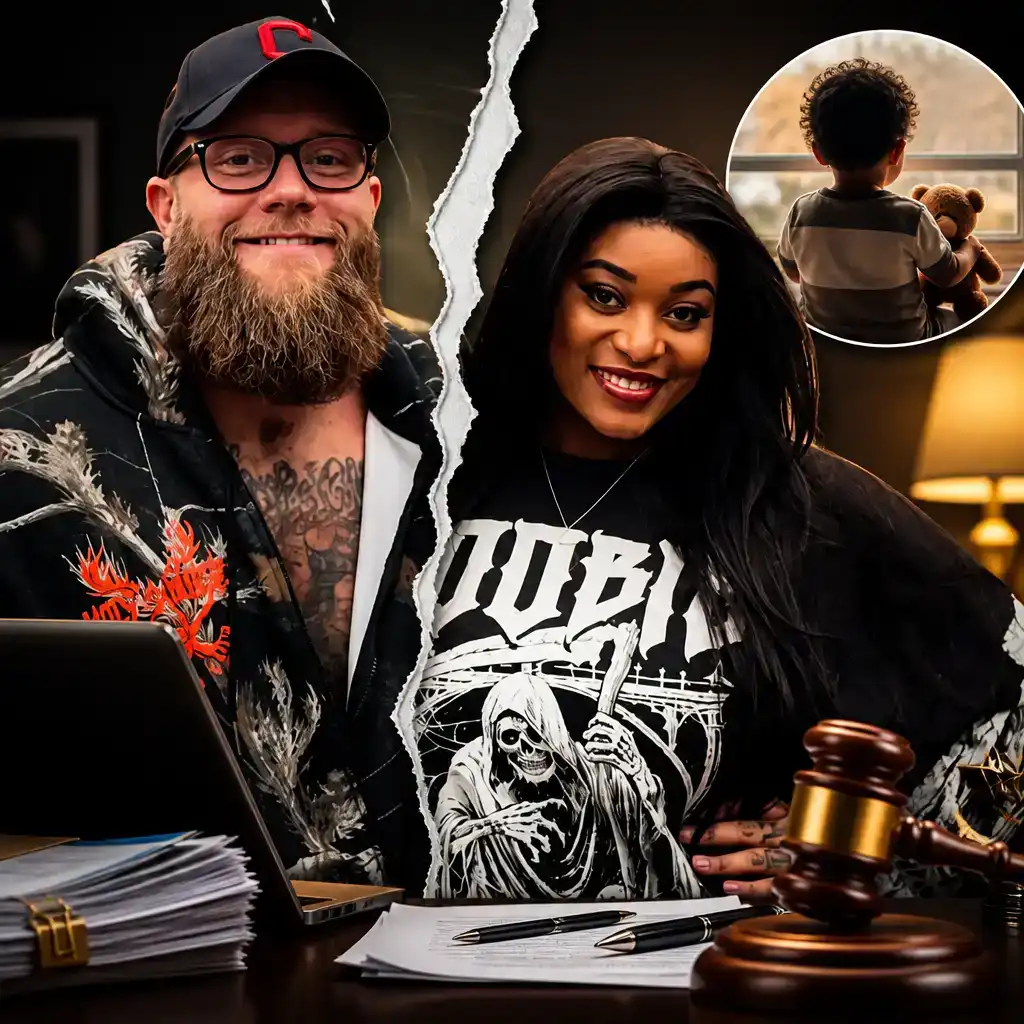
TMZ later corroborated that the couple intended to film together at least twice weekly during the divorce. Brewtiful Living, citing earlier court-document reporting, also gave the four-hour minimum for each session.
BollywoodShaadis reported a two-hour minimum per session while also describing an eight-hour weekly total, an internal mismatch that leaves the precise wording less than perfectly tidy. The better-corroborated reporting supports four-hour sessions.
Nothing disclosed so far establishes whether Dalton and Sako may discuss the divorce in those videos. Given that the separation itself has become a major part of their public story, that omission is fairly substantial.
Why would a divorce order preserve TikTok content?
The provision appears designed to protect a shared business while the divorce proceeds, rather than to force two unwilling people into an improvised reality show. Dalton and Sako agreed to the temporary terms, according to the reports, and their social accounts represent an asset that could lose income or value if one person locked out the other or stopped production entirely.
West Virginia law allows family courts to issue temporary orders reasonably necessary to preserve either party’s property during a pending divorce. That can include financial accounts and business operations. For creators whose income depends on regular posting, a filming schedule can function much like an order keeping a conventional company running.
Verification is not entirely straightforward. West Virginia family-court petitions and most related documents are confidential. Atlanta Black Star reported that it could not locate a divorce filing in public state records when it searched on August 23, despite Dalton’s statement that he had filed on July 30 and other outlets saying they reviewed court paperwork.
That gap does not prove there was no filing, since confidential records may not appear in a public search. It does mean the available account depends heavily on outlet descriptions of documents that readers cannot independently inspect.
The split followed months of reported trouble
Atlanta Black Star reported that problems in the relationship began in February and that Sako left in July. Dalton has discussed a domestic dispute from February but said it involved family members and friends, without identifying Sako as the other party.
Tribute News separately reported that two domestic-battery charges were filed against Dalton on February 15. He pleaded not guilty, and both counts were dismissed without prejudice on February 19. No conviction resulted.
After Dalton announced the separation and accused Sako of cheating, she rejected the allegation. She said a man seen helping her at a hotel was a security guard Dalton had hired, not a romantic partner. Dalton maintained that he had initiated the legal process, telling followers: “No, I filed for divorce July 30th.” He later joked that the divorce prompted him to buy a Harley.
Their established videos often relied on relationship humor, including jokes about their cultural differences and Sako dating a self-described “country boy.” Continuing that format after publicly confirming a breakup creates an obvious problem: the audience knows the central premise has changed, even if the account’s business obligations have not.
Their son’s privacy has become the sharper dispute
The reported temporary arrangement also gives Dalton and Sako a rotating parenting schedule for their son, who is nearly two years old. Their different approaches to featuring him online now add another point of tension.
TMZ reported that Sako plans to keep her time with the child more private. “He’s my child, before he’s ever content,” she said. Dalton, meanwhile, has continued posting videos featuring their son.
Dalton also told TMZ that Child Protective Services had been called about him twice within three weeks, apparently following videos involving the toddler. He claimed that more than 100 people had requested police wellness checks. Those figures are Dalton’s account, and no independent agency confirmation was reported.
The claims illustrate a broader risk when family creators invite millions of strangers into their home life. Followers can move from watching to intervening, sometimes in large numbers and with limited information. Police and child-welfare reports are serious tools, not audience feedback buttons.
For now, the temporary deal attempts to separate three closely connected matters: the divorce, the creator business and parenting. In practice, all three remain tied to the same account, the same cameras and an audience accustomed to seeing the family together. Eight scheduled hours of filming may preserve revenue, but it cannot make that arrangement uncomplicated.