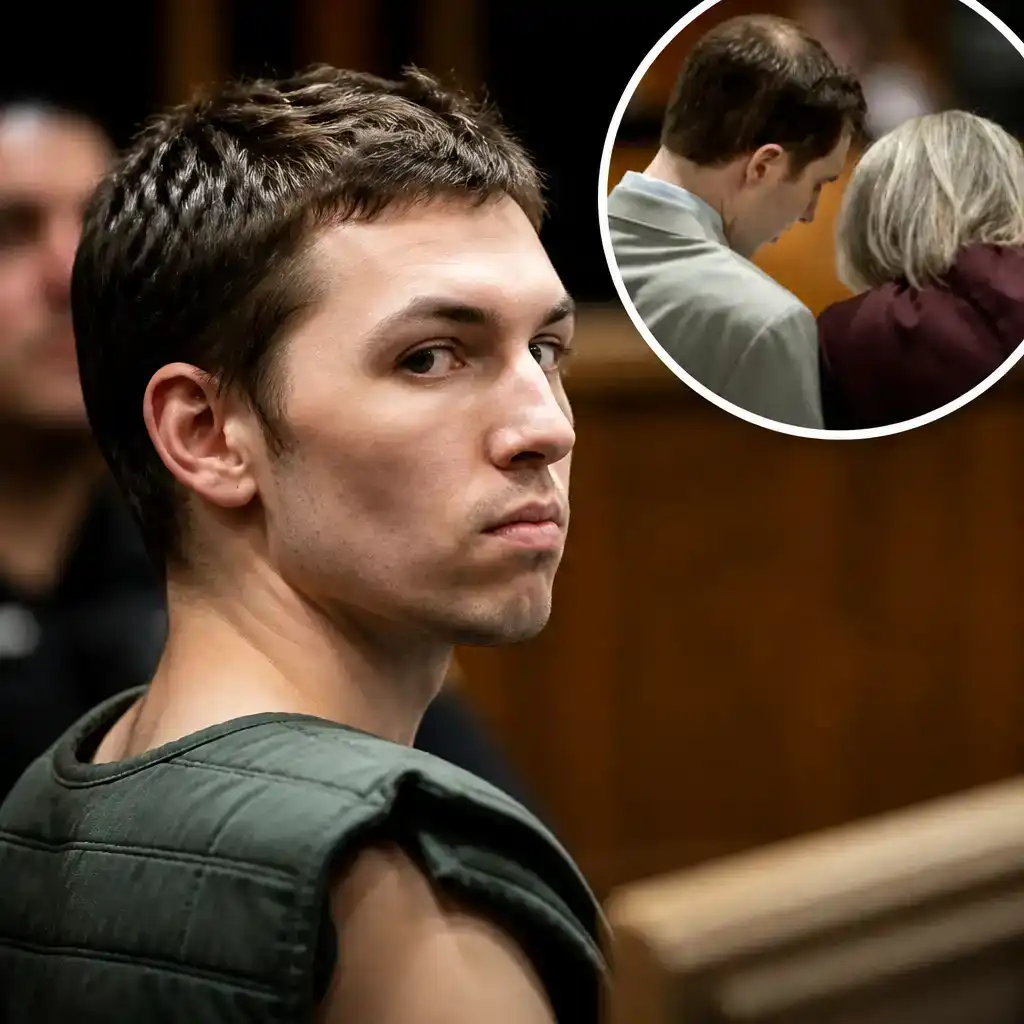
That distinction matters. Graf could have reduced the main charge to ordinary murder, which carries a sentence of 15 years to life, or dismissed the charges while leaving prosecutors able to file them again. Instead, the aggravated murder count remains in place, allowing prosecutors to seek death, life without parole or 25 years to life.
Utah has executed eight people since 1976 and currently has five prisoners on death row, according to the Death Penalty Information Center. Capital punishment is therefore available, if hardly routine.
What evidence did prosecutors present?
The ruling followed closing arguments after a five-day preliminary hearing in July. Prosecutors relied on surveillance footage, DNA evidence, alleged admissions and a recorded interview with Robinson’s roommate and romantic partner, Lance Twiggs.
“There is a mountain of evidence that proves that he is the shooter,” prosecutor Ryan McBride told the court. He said video showed Robinson “dressed to kill” while moving around the university campus on the day of the shooting.
McBride divided the state’s case into four parts: video, DNA, Robinson’s alleged admissions and circumstantial evidence. Prosecutors said Robinson repeatedly surveyed the campus, spoke with Turning Point USA members and ate at Chick-fil-A before returning in different clothing.
The later outfit allegedly included long trousers used to conceal a rifle. Prosecutors said Robinson’s DNA was found on his grandfather’s rifle after it was recovered from a wooded area near campus. They also alleged that his DNA appeared on a towel wrapped around the weapon and on a screwdriver found at the scene.
McBride further told the court that engravings on cartridge casings allegedly matched marks made by a Dremel tool recovered from the home Robinson shared with Twiggs.
How do prosecutors describe the motive and danger?
Prosecutors said Robinson, a former apprentice electrician, strongly opposed Kirk’s conservative positions, particularly his views on transgender issues. They described those views as “repugnant” to Robinson and presented that hostility as the alleged motive.
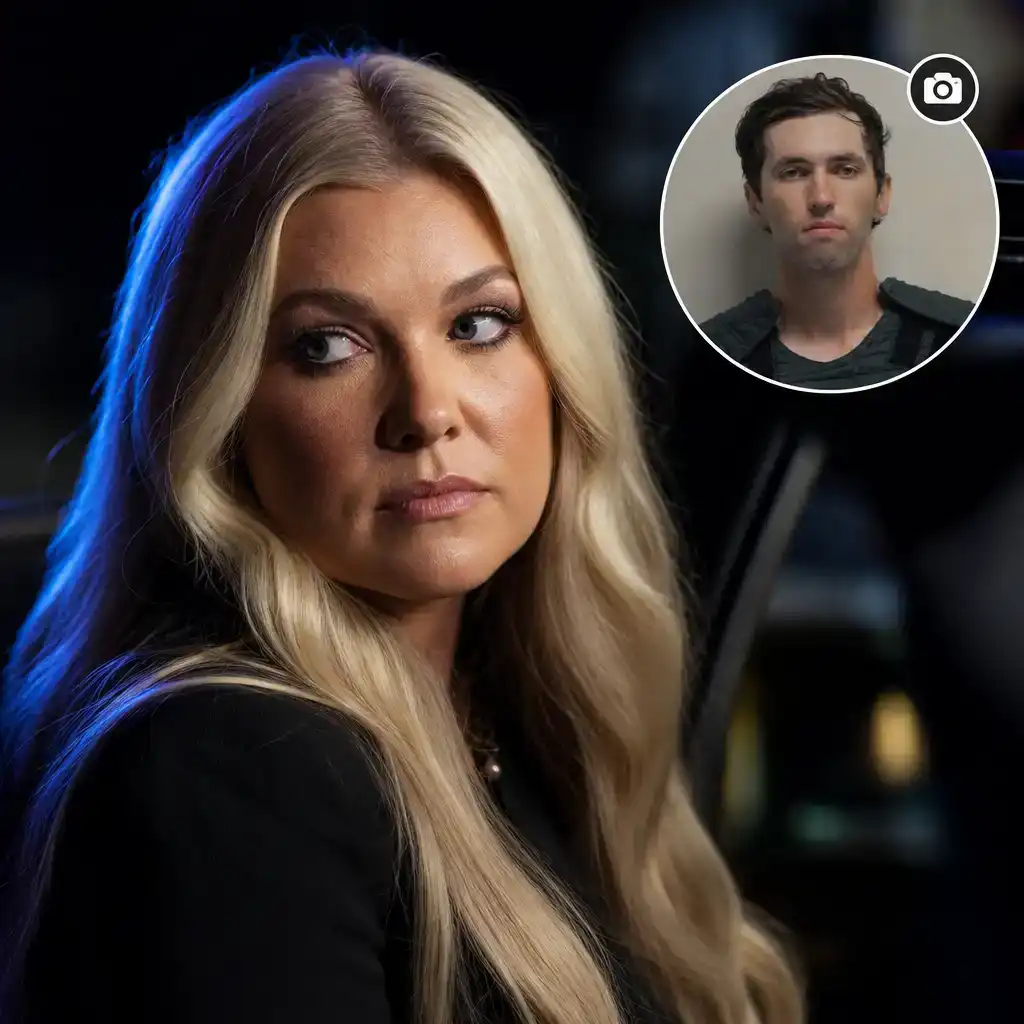
Twiggs told prosecutors in a videotaped interview played during the July hearing that Robinson confessed to the shooting, cried and said he wished he had not done it. Robinson surrendered the day after the killing while accompanied by family members and a neighbour.
The state also argued that the shot placed thousands of bystanders at risk. Prosecutor Chad Grunander accused Robinson of “gambling with the lives of others” by allegedly firing toward Kirk while he was surrounded by a crowd.
“He was playing, in effect, a game of ballistic roulette,” Grunander said. McBride argued that Robinson was ready to shoot again and “let the casualties be what they may”.
Grunander pressed the court to move the case forward, saying: “It’s been 356 days since Tyler Robinson assassinated Charlie Kirk. It’s time for him, the defendant, to be bound over for trial and arraigned. Today.” The language was definitive. The legal process, inconveniently for definitive language, is not.
Why did the defence challenge the capital charge?
Robinson’s lawyers tried to weaken the state’s case by questioning investigative procedures and the qualifications of expert witnesses. They also disputed whether the shooting created the level of danger to others required to support aggravated murder.
Defence lawyer Staci Visser told ABC News there was “nothing in this evidence” showing a great risk that another person would be killed. The defence noted that no one in the crowd other than Kirk was struck by gunfire.
Graf said he had reviewed the evidence repeatedly and delayed reaching a conclusion until after oral arguments. His finding means only that prosecutors met the probable-cause threshold needed for a trial. A jury will later decide whether the state proves the charges beyond a reasonable doubt, a considerably higher standard.
Questions about a fair trial have already surfaced. Reuters reported that Graf previously held a prosecutor in contempt for publicly asserting Robinson’s guilt. The judge nevertheless refused to remove the death penalty as a possible punishment.
Robinson’s lawyers have also repeatedly objected to cameras livestreaming the proceedings. After hearing arguments in a sealed session on Tuesday morning, Graf again allowed public access, citing the need for transparency in a case already surrounded by conspiracy theories.
What scrutiny is Utah Valley University facing?
The criminal case is also drawing attention to security at Utah Valley University. An Associated Press review found that the university deployed six campus officers for the event and lacked safeguards used at comparable gatherings.
The institution had roughly 48,000 students, while Kirk’s appearance attracted a crowd exceeding 3,000. Those figures do not decide whether Robinson committed any crime, but they raise separate questions about how a high-profile political event was protected and how one alleged gunman could reach a firing position.
Robinson is due back in court on 23 October, when scheduling is expected to be discussed. Prosecutors wanted another hearing within two weeks, while defence lawyers requested about 30 days. No trial date has been set.
For now, the ruling keeps every charge intact and preserves the prosecution’s ability to seek execution. It also begins the slower and less theatrical part of the case: testing each claim under trial rules rather than treating a preliminary hearing as a verdict.