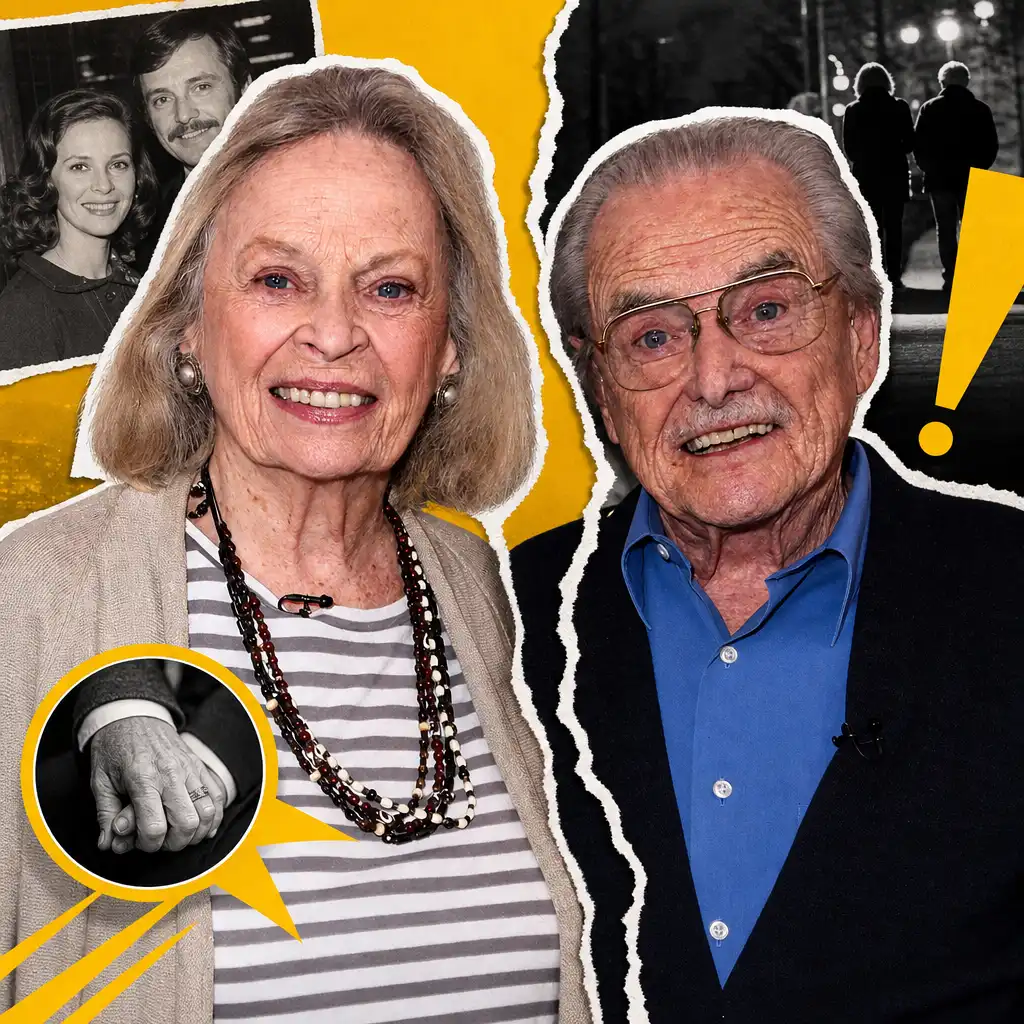
She added that their approach was not built around written rules or carefully negotiated boundaries.
“Bill and I never sit down and make rules,” Bartlett said. “We just don't. We just live our lives. And if he's away for a year, he's away for a year.”
Her comments fit with the broader theme she has returned to since the memoir’s release: their marriage endured not because it was simple, but because they kept choosing it after the difficult parts became impossible to ignore.
Both actors say they remained each other’s priority
Bartlett said that “both sides” had experiences outside the marriage, but she framed those moments as separate from the central bond between them. In her telling, the couple’s life together was never abandoned, even when it became uneven.
“Our lives just went on, but we never got unhinged,” she said. “We never got unhinged, but our lives did go in different directions occasionally.”
That distinction matters to how Bartlett now explains the relationship. She is not presenting the marriage as a breezy, consequence-free experiment. She is describing a long partnership that included distance, hurt, changing limits and, eventually, a more deliberate commitment to staying together.
The couple share two sons, and Bartlett has said that family life became a stabilizing force once their careers and home life settled into a more manageable rhythm.
Why Bartlett says the era mattered
Bartlett has also argued that the culture of the 1950s shaped how many couples handled fidelity, especially in acting circles where travel and long separations were common.
“You have to have lived during that time as an adult to see what that was like. The culture is simply different,” she told People in 2023.
She said Hollywood ultimately helped their marriage rather than damaging it. Once they were living there, she explained, they had the chance to function more like a conventional family, with weekends at home, time with their children and a steadier domestic routine.
“Hollywood was really the saving grace for our marriage,” Bartlett said, “because once we got to Hollywood and living like a normal family and having weekends at home with our kids and doing things, it was totally different story.”
In Middle of the Rainbow, Bartlett wrote that in the early years she “never felt tied to fidelity, and neither did Bill.” That line drew attention because it cut against the usual polished version of a celebrity love story, especially one spanning more than seven decades.
The moment the marriage changed
Bartlett’s memoir also makes clear that her tolerance for the arrangement had limits. She wrote that Daniels’ relationship with a New York-based producer in the 1970s left her “devastated.” At that point, she said, she “could no longer tolerate any kind of open marriage.”
From there, the couple shifted their focus to repairing and sustaining the relationship. It was less romantic montage, more daily maintenance, which is often what long marriages require once the speeches are over.
“Bill and I have moved forward day-by-day and eventually, the days added up,” Bartlett wrote. “We’ve been happy together and sad together, and somehow stayed together for seven decades.”
That is the part of the story that may explain why it still lands with audiences. The headline phrase is provocative, but the emotional center is more ordinary and more difficult: two people changed their expectations, absorbed real hurt and kept building a life after the easiest version of their marriage was gone.