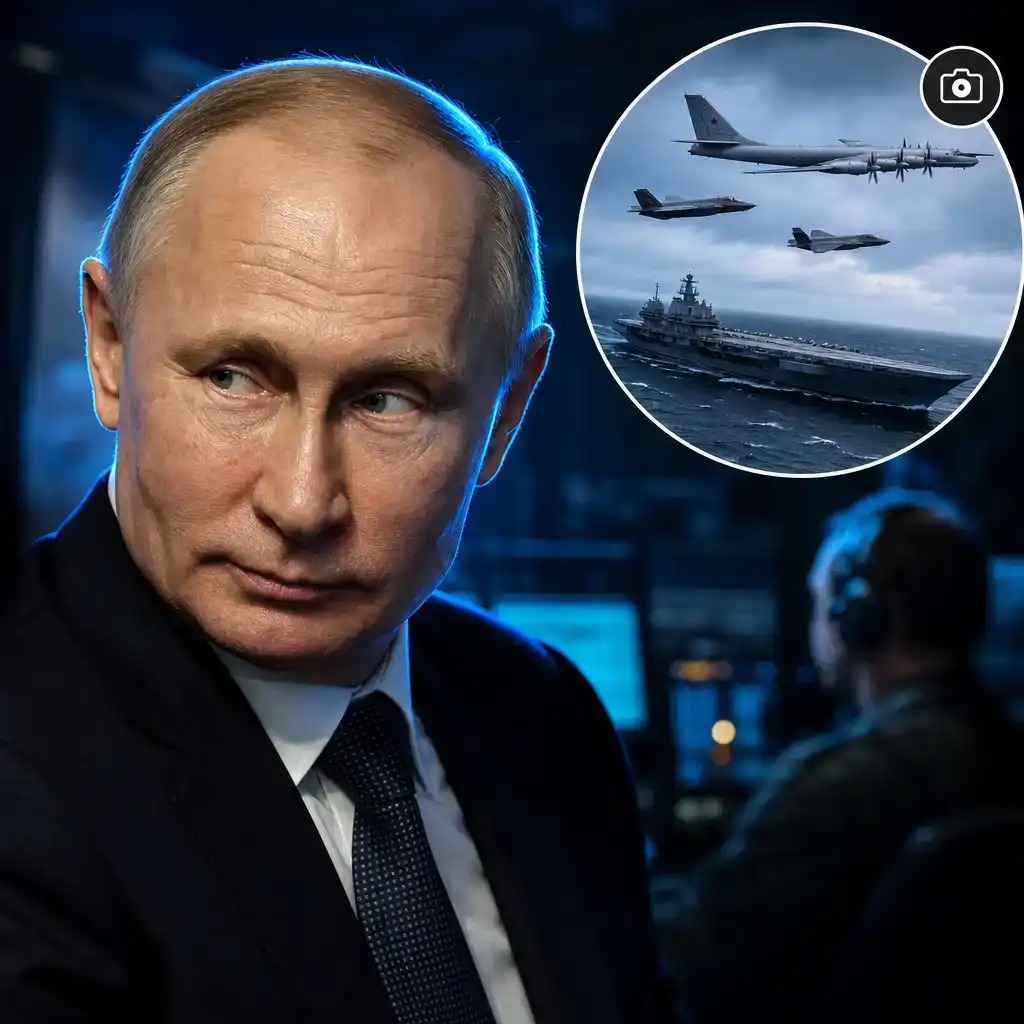
The MoD described Russia’s activity in the Norwegian Sea as “unsafe and unprofessional”.
Why were the sonobuoys significant?
The Bear-F aircraft is believed to have dropped 10 sonobuoys, which are floating monitoring devices used to detect submarines and other vessels through sonar.
The carrier group is not just passing through for show. It is part of a Nato mission, and this is the first time the alliance has conducted air policing operations from a European aircraft carrier.
In other words, the encounter happened during a deployment designed to show readiness, deterrence and allied coordination. Russia’s aircraft arrived with surveillance gear, as if anyone needed the point spelled out.
What has the UK government said?
Defence Secretary Dan Jarvis visited British forces aboard HMS Prince of Wales over the weekend.
“We live in an increasingly dangerous and uncertain time, and it's deployments like this, supported by allies and partners including Iceland, that improve our deterrence and defence as part of Nato,” he said.
Speaking to Channel 4 News, he added: “We should be clear-eyed about the fact that the threat from Russia exists in every domain, under the water, on the water, on the land, in the sky, in space and in cyberspace as well.”
The incident follows warnings from senior military figures that the security environment facing the UK has worsened sharply.
How does this fit into wider Russia tensions?
The interception comes only weeks after Royal Marines boarded a Russian shadow fleet oil tanker in the English Channel.
In June, Chief of the Defence Staff Sir Richard Knighton told the BBC that Russia had been “probing, challenging, testing our defences” and was “raising the stakes and risks crossing a line”.
Nato has also warned that Russia could be ready to use military force by 2030.
That assessment has fed directly into the UK’s defence debate, which is already politically charged. Last week, the government published its long-delayed plan to invest in defence, with outgoing Prime Minister Sir Keir Starmer announcing a £15bn increase in military spending. Part of that funding will come from cuts to other government departments.
Opposition MPs and military figures have criticised the package, arguing it does not go far enough to match the scale of the threat from Russia.
John Healey and Al Carns resigned from Sir Keir’s government in June over an earlier version of the plan, a move that contributed to the prime minister’s downfall.
In short, a Russian aircraft came close to a Nato carrier group, the UK scrambled F-35s, and the Norwegian Sea is now another front in a tense military relationship that is harder to dismiss as routine.