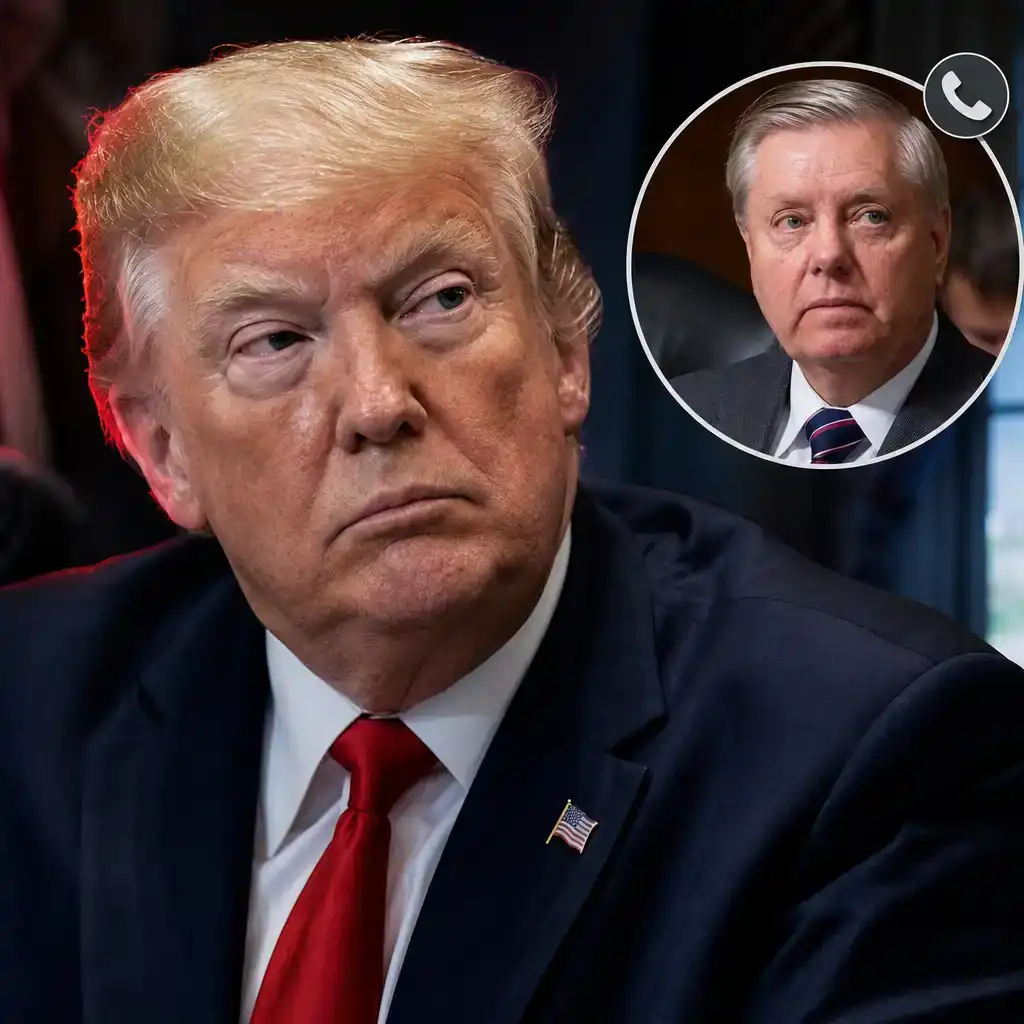
CNN reported it obtained dispatch audio from around 8:30 PM Saturday, roughly two hours after Trump's call. In the audio, a caller reported that someone at Graham's home had chest pains and appeared to go into cardiac arrest.
Separately, TMZ DC reported it obtained photos showing emergency medical services responding to Graham's home and taking him into an ambulance shortly before his death.
The timeline now under scrutiny
The publicly known sequence is narrow and grim:
- Around 6:30 PM Saturday, Trump says he spoke with Graham by phone.
- During that call, Graham reportedly said he felt tired.
- Around 8:30 PM, dispatch audio captured a report of chest pains and apparent cardiac arrest at Graham's home.
- Sometime afterward, Graham died following what his staff described as a brief and sudden illness.
- Around 2 AM Sunday, Trump said he was told Graham had died.
That is not a medical explanation, and it should not be treated like one. For now, officials have not released a cause of death, and the available reporting only establishes the sequence of events around Graham's final hours.
Still, the timing explains why Trump's CNN interview immediately came under scrutiny. When a sitting president says he spoke to a senior senator just hours before that senator's sudden death, people tend to notice. the internet does what it does: turns a timeline into a national group project, though in this case the facts are still limited.
Why Trump brought up Brett Kavanaugh
During the interview, Tapper attempted to shift the conversation to the Iran war. Trump resisted the change of subject, saying that out of respect for Graham, he did not want to discuss the Middle East at that moment.
He instead turned to Supreme Court Justice Brett Kavanaugh, saying Graham's "finest moment was his defense of Brett Kavanaugh."
Trump was referring to Kavanaugh's 2018 confirmation fight, when sexual misconduct allegations from his youth threatened to derail his nomination. The hearings included testimony from Christine Blasey Ford, one of Kavanaugh's accusers. Kavanaugh denied the allegations and was ultimately confirmed to the Supreme Court.
Graham played a highly visible role in that process, becoming one of Kavanaugh's most forceful defenders in the Senate. For Trump, that episode appears to be central to as he describes Graham's political legacy.
Tapper ended the call by saying he would like Trump to return to his show. Trump replied that they would make that happen and said he wanted CNN should “get back to normal.”
For now, the story remains less about political messaging than about a stark timeline: a routine evening call, an emergency response two hours later, and the death of one of Washington's most recognizable Republican senators.