Mexico And Canada Are Seeing Spikes Too
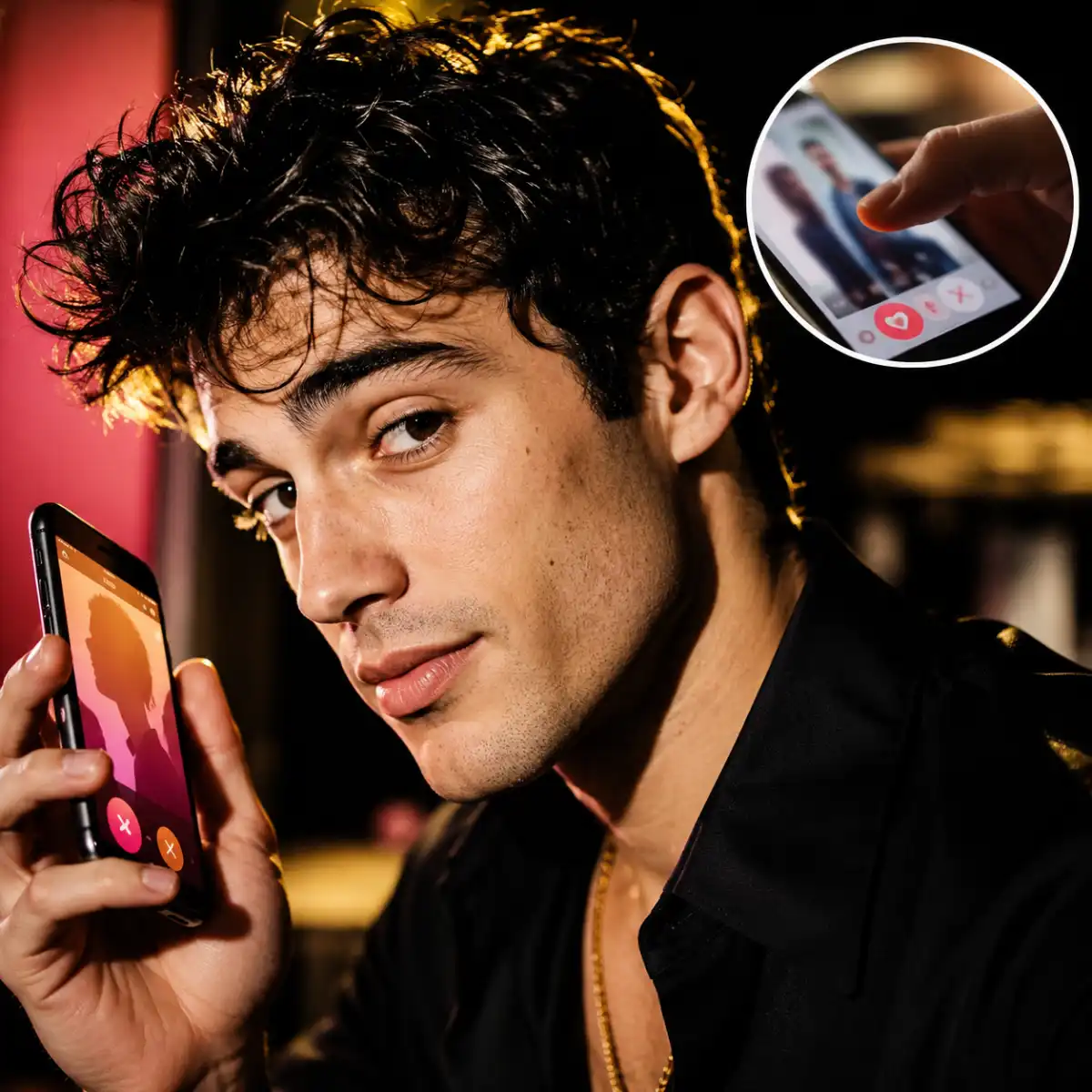
The surge is not confined to the United States. Tinder users in Mexico and Canada are also showing increased activity in cities hosting World Cup games.
According to the Mashable-reported data, international users in host cities in Mexico and Canada have shown an average 47 percent increase in activity. Some match days brought especially sharp jumps.
- In Monterrey, Mexico, Tinder saw an 80 percent increase in user activity around the Sweden vs. Tunisia match on June 14.
- In Guadalajara, activity rose 74 percent around the June 11 match, when South Korea beat Czechia 2-1.
- In Boston, Tinder reported a 47 percent increase around the Iraq vs. Norway match on June 16.
Boston had its own very local subplot, with some bars reportedly running out of beer amid the arrival of thirsty travelers. Romance may have been in the air, but logistics remained undefeated.
Why Big Sporting Events Boost Dating Apps
The World Cup is unusually good at creating the conditions dating apps like: movement, crowds, shared interests, and a built-in reason to start talking. A match gives people something obvious to discuss, even if their tactical analysis begins and ends with “that was close.”
For dating platforms, that matters. Users who travel for major events often update their location, open apps more frequently, and become more willing to meet people outside their usual routine. The World Cup also draws a mix of locals, tourists, and international fans into the same neighborhoods for days at a time.
That does not mean every conversation turns into a sweeping love story. Many probably turn into “Which bar is showing the match?” Still, the data shows that fans are using the tournament as a social setting, not just a sporting one.
Do Not Expect Many Players In The Swipe Deck
Anyone hoping to match with a World Cup star may want to keep expectations modest. Many of the tournament’s biggest names arrived with partners and families, often described in sports coverage as WAGs, meaning wives and girlfriends.
One very visible example is Argentina captain Lionel Messi. His wife, Antonela Roccuzzo, watched from the stands with their sons Thiago, 13, Mateo, 10, and Ciro, 8, as Messi scored his record-extending 17th and 18th World Cup goals during Argentina’s June 22 match against Austria.
Roccuzzo marked the moment on Instagram, writing, “What a privilege to see you make history again and again,” alongside a photo of herself and the couple’s children cheering him on. She added, “I love you @lionelmessi!!!”
It was a reminder that the tournament’s emotional pull is not only about fans finding dates in host cities. It is also about families, partners, and entire support systems watching careers unfold in real time.
The Tournament Is Becoming A Social Event Off The Pitch
The Tinder numbers underline something major sporting events have always done well: they give strangers a reason to be in the same place at the same time, feeling something intense enough to mention.
For some, that means chanting in a stadium. For others, it means swiping from a hotel lobby after a match. World Cup 2026 has turned host cities into gathering points for sport, travel, nightlife, and quick introductions, with Tinder’s data offering a tidy numerical snapshot of all that movement.
The matches decide the tournament. The side conversations, apparently, are doing quite well on their own.