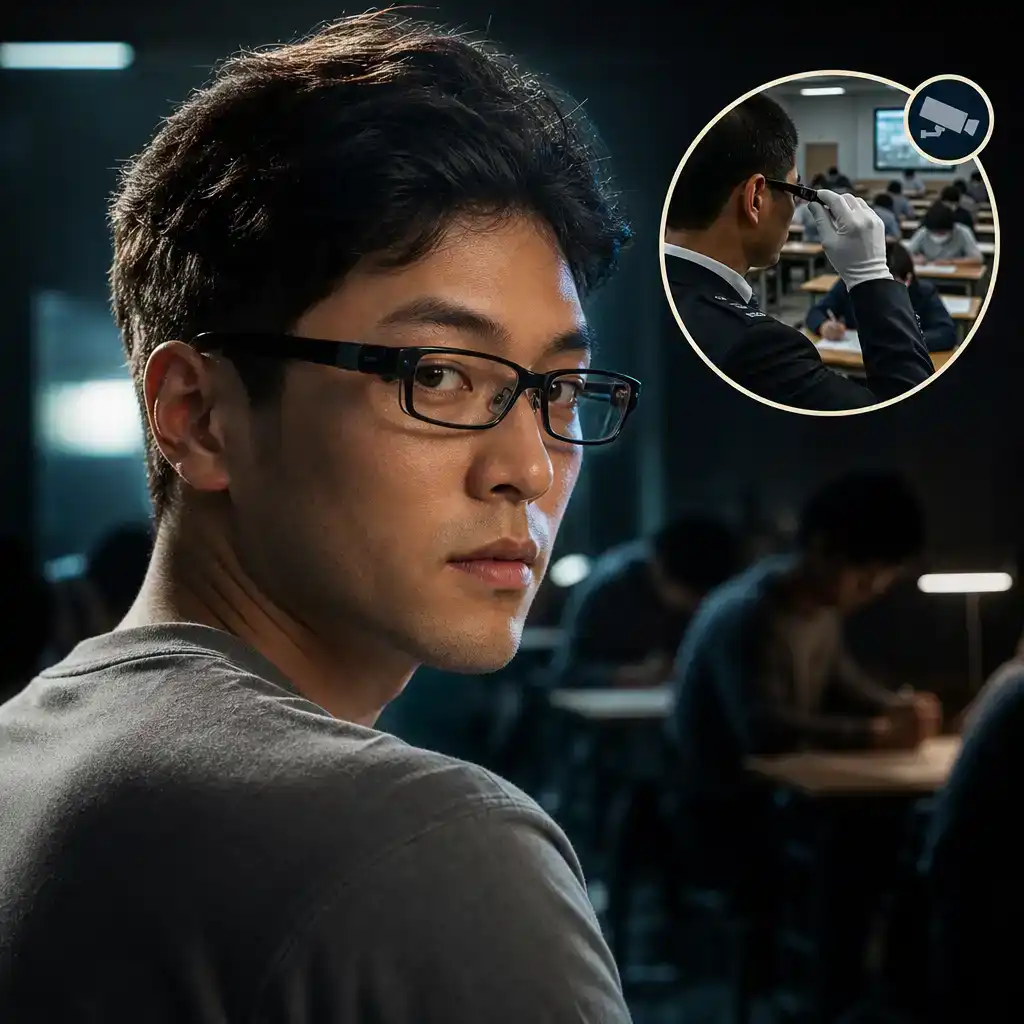
Prosecutors later charged him with violating South Korea’s National Technical Qualifications Act, which regulates the country’s state licensing and certification system.
Why this case matters for national exams
The case appears to be South Korea’s first criminal filing tied specifically to the alleged use of AI-powered smart glasses in a national licensing exam.
That matters because these tests are not casual classroom quizzes. National qualification exams can determine whether someone is allowed to enter or advance in a licensed profession. If candidates can bring in hidden AI tools, the system has a fairly obvious trust problem.
The reported incident also lands at a time when wearable AI devices are becoming easier to buy, easier to modify, and harder to spot. A phone on a desk is one thing. A pair of glasses that looks ordinary until it starts quietly helping with answers is another.
Similar incidents spurred a wider crackdown
The Gwangju case was not the only one reported this year.
Officials also caught two men who allegedly tried to use AI smart glasses during separate national qualification exams in Seoul and Mokpo in May. In addition, three candidates were caught using the devices during English language tests across May and June.
Officials are also weighing stronger controls, including:
- Adding AI smart glasses to lists of banned exam items
- Increasing penalties for candidates caught using hidden technology
- Introducing new security measures to detect discreet cheating devices
The challenge is that exam security tends to move at the speed of policy, while consumer technology moves at the speed of someone with a credit card and a weekend.
AI cheating is becoming harder to police
South Korea’s case is part of a broader pattern: institutions are trying to catch up with AI-assisted cheating.
Earlier this year, one company reportedly uncovered 28 cases of employees using AI to cheat on internal exams. In China, smart glasses were also reportedly used in school test cheating, including a case in which one student rented the glasses out to classmates.
For schools, licensing bodies, and employers, the issue is no longer simply whether people can access AI. They can. The harder question is how to preserve fair testing when the tools are small, wearable, and built to disappear into ordinary life.