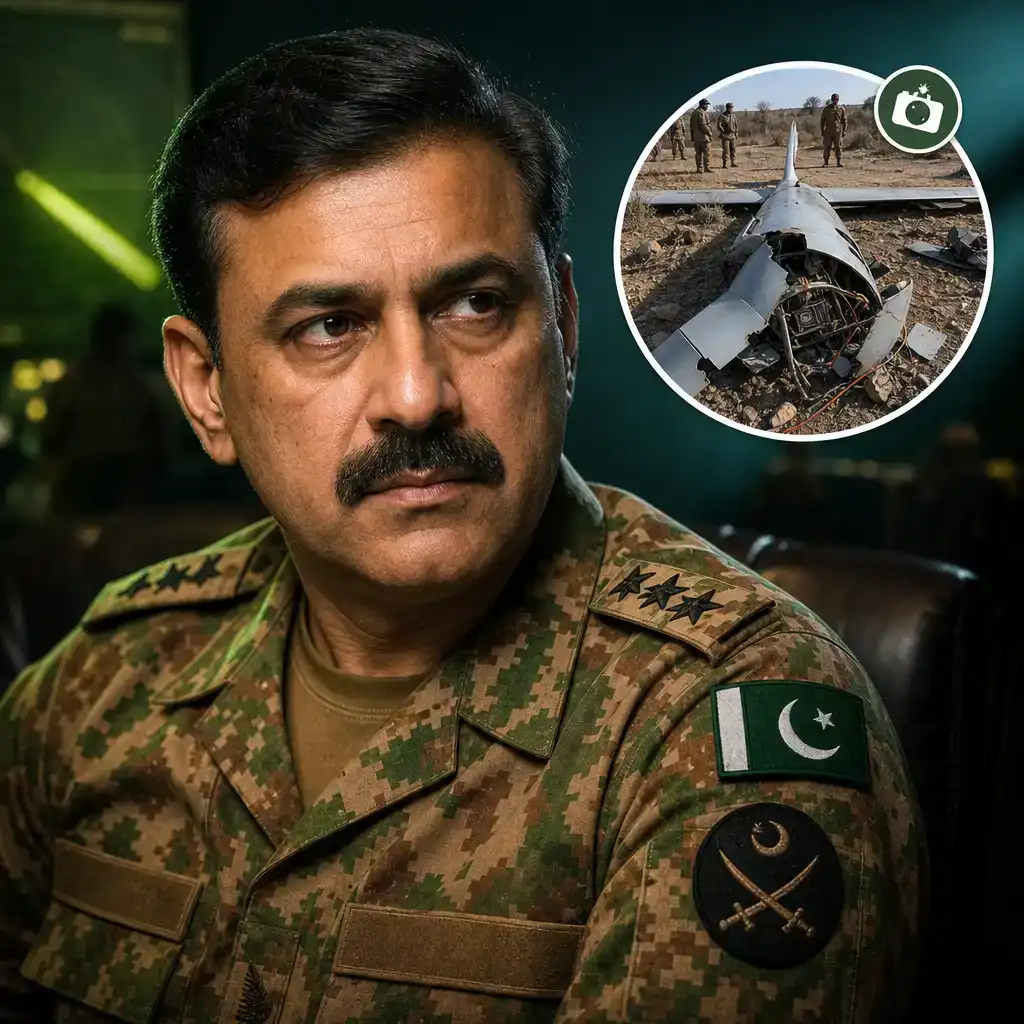
“If the Afghan Taliban continue to provoke Pakistan, they would receive a befitting response which would cost them heavily,” it said.
The Pakistani statement framed the incident as a hostile cross-border action. It did not describe the drones as advanced weapons, instead calling them “rudimentary”, which is not exactly a compliment in military procurement terms.
What Afghanistan’s Taliban government claims
Afghanistan’s defence ministry posted on X that it had carried out “air strikes” in Pakistan’s Balochistan province and in northwestern Khyber Pakhtunkhwa.
The ministry claimed the strikes caused casualties among members of an ISIL, also known as ISIS, affiliate. The claim has not been independently verified.
The use of the term “air strikes” is notable. The Taliban’s military does not have fighter jets or a fully functioning air force. However, Taliban forces have used small drones in clashes with Pakistan, especially in border areas.
So while Kabul described the operation in formal military language, the available reporting points to drone activity rather than conventional air power. In other words, not an air force in the usual sense, but enough flying hardware to deepen a diplomatic crisis.
Why the border conflict has intensified
Relations between Pakistan and Afghanistan have been strained since the Taliban returned to power in Kabul in 2021. The current round of fighting has been especially deadly.
Hundreds of people have been killed in cross-border violence since February, when Afghanistan launched retaliatory strikes after Pakistan conducted air attacks inside Afghan territory.
The latest escalation followed a deadly weekend attack in Karachi. Pakistan then carried out strikes in eastern Afghanistan, saying it had targeted fighters. The Afghan government said at least 36 civilians were among the casualties.
That dispute over who was hit is central to the broader conflict. Pakistan says it is going after armed groups that attack the country. Kabul says Pakistan is violating Afghan sovereignty and killing civilians.
The dispute over armed groups
At the core of the months-long confrontation is Pakistan’s accusation that the Taliban government shelters armed groups responsible for attacks inside Pakistan.
Pakistani officials have focused particularly on Tehreek-e-Taliban Pakistan, widely known as the TTP or Pakistan Taliban. The group has waged a violent campaign against the Pakistani state for years and is separate from, though ideologically aligned with, the Afghan Taliban.
Afghan officials deny that they are harbouring groups behind attacks in Pakistan. They have also accused Islamabad of hosting hostile groups and failing to respect Afghanistan’s sovereignty.
That leaves both governments publicly insisting they are responding to threats, while the border regions absorb the cost. The drone incident in Balochistan, and Kabul’s claimed strikes in Balochistan and Khyber Pakhtunkhwa, suggest the conflict is not cooling down. It is becoming more technically improvised, more politically entrenched, and no less dangerous.