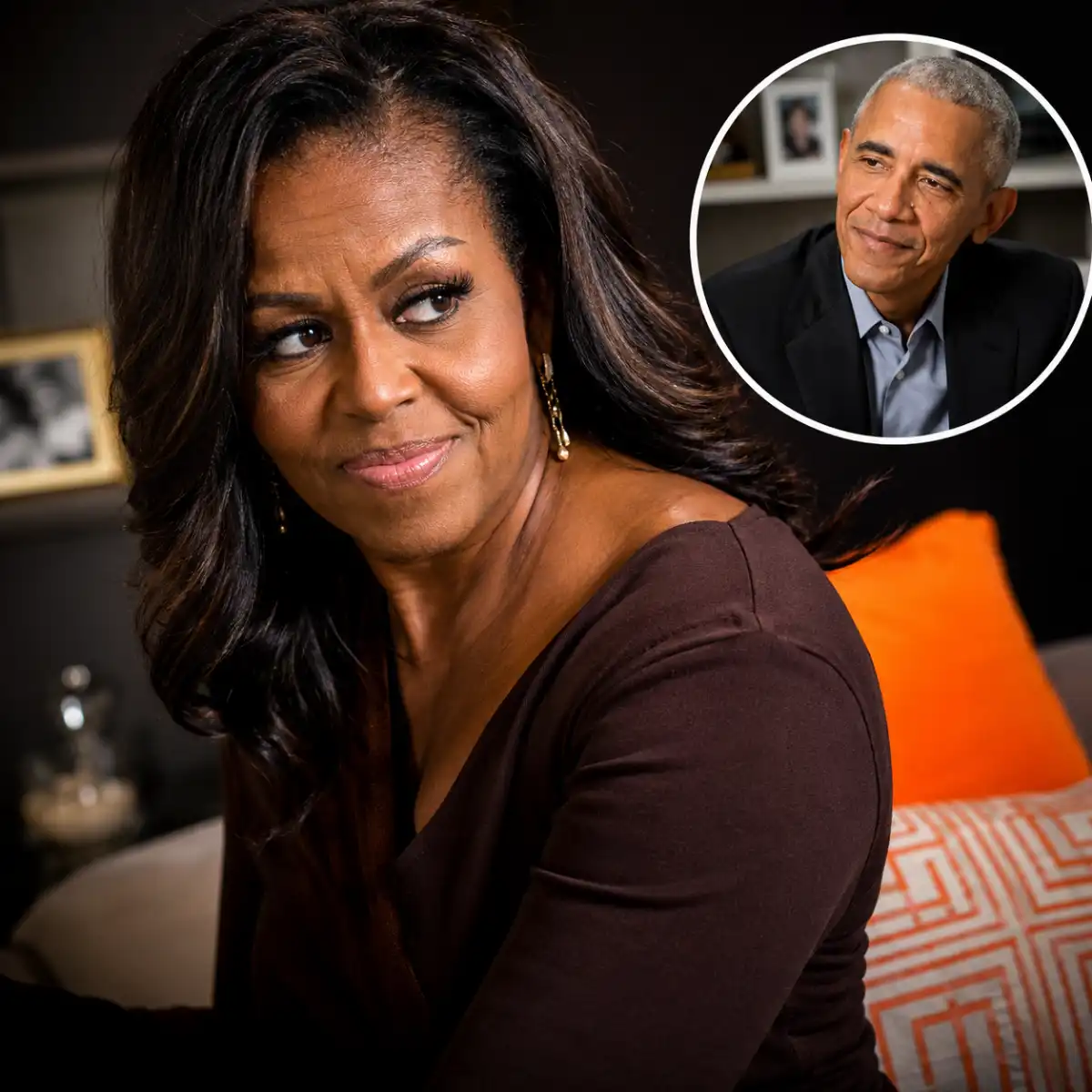
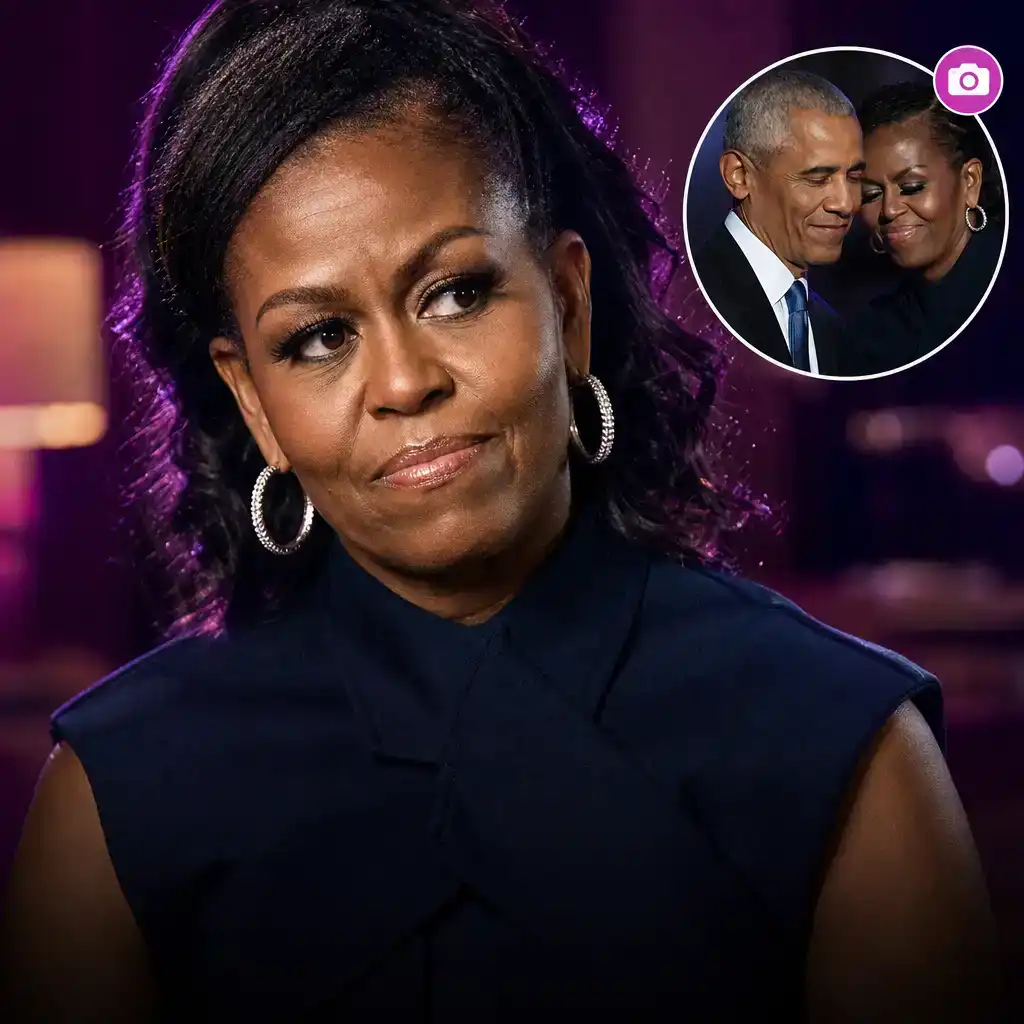
That support mattered most, she said, during the career moves that felt the least comfortable. It was not presented as grand romance with a string section. More useful, apparently, was knowing that someone competent was standing nearby if the experiment got messy.
“However hard it’s been, the ups and the downs, he’s got me,” Michelle added. “He’s like, ‘Try new things. Go leap.’ I can do a lot of these things because I know if I slip or fall or trip, he’s got me.”
What Michelle Obama gives Barack Obama in return
Barack described the balance from his side, crediting Michelle with keeping him “ground[ed] and anchor[ed].” That is not a small claim from a former president, a job category not famous for encouraging modest self-assessment.
“This was a one-of-a-kind woman with the integrity and character and smarts and values that was going to make me better,” he told the outlet. “Just being with her made me better. She still does.”
He also joked that their marriage has not exactly been “an equal partnership,” at least by his accounting.
“I’ve gotten, I’m sure, more out of it than she has,” Barack said. “But it’s worked out for me really well. For her, it’s probably more of a mixed bag.”
The former president also credited Michelle with helping give their daughters, Malia Obama, 27, and Sasha Obama, 25, “a foundation that would pay off for them over the long term.”
Why empty nesting has changed their marriage
Michelle and Barack are now in what she has called a “new phase” of marriage, with both daughters grown and living their own lives. In March, Michelle discussed that shift on the “IMO” podcast, saying the couple are rediscovering each other after decades organized heavily around parenting, public life, and the logistics that come with both.
“Our kids are grown. They’re out,” she said. “We’re looking at each other like, ‘Hey, I remember you.’ Now I’m not mad about anything. I don’t need you to do anything for me.”
She said the next chapter requires both of them to work out what they want individually, calling it “a whole new assignment.” It is a practical description, if not exactly a decorative one. After years of raising children and managing public obligations, the shape of the marriage changes. The relationship has to adjust with it.
How therapy fits into the Obamas’ relationship
Michelle has also been direct about the work behind the public image. In January, she said on the “Call Her Daddy” podcast that she and Barack have gone to couples therapy over the years to strengthen their marriage.
“I believe in the practice of having those conversations with objective people who help you piece through that stuff, and it’s a constant, it’s constant work,” she said.
She framed therapy not as crisis management, but as maintenance. In other words, less dramatic rescue scene, more scheduled inspection. She also said she has learned to separate her own growth from Barack’s.
“I’ve grown to know I don’t have control over him, just like he doesn’t have control over me,” she explained. “So let me do my work and let him do his work and together we come together as whole people.”
Where the Obamas’ relationship began
Michelle and Barack first met at a law firm in the late 1980s. They married in 1992, welcomed Malia in July 1998, and Sasha in June 2001.
Their latest comments add detail to a marriage that has long been watched in public, often with more projection than evidence. Michelle’s version is more measured: partnership, tension, therapy, separate identities, shared support, and the occasional reminder that even famous couples still have to do the unglamorous administrative work of staying connected.