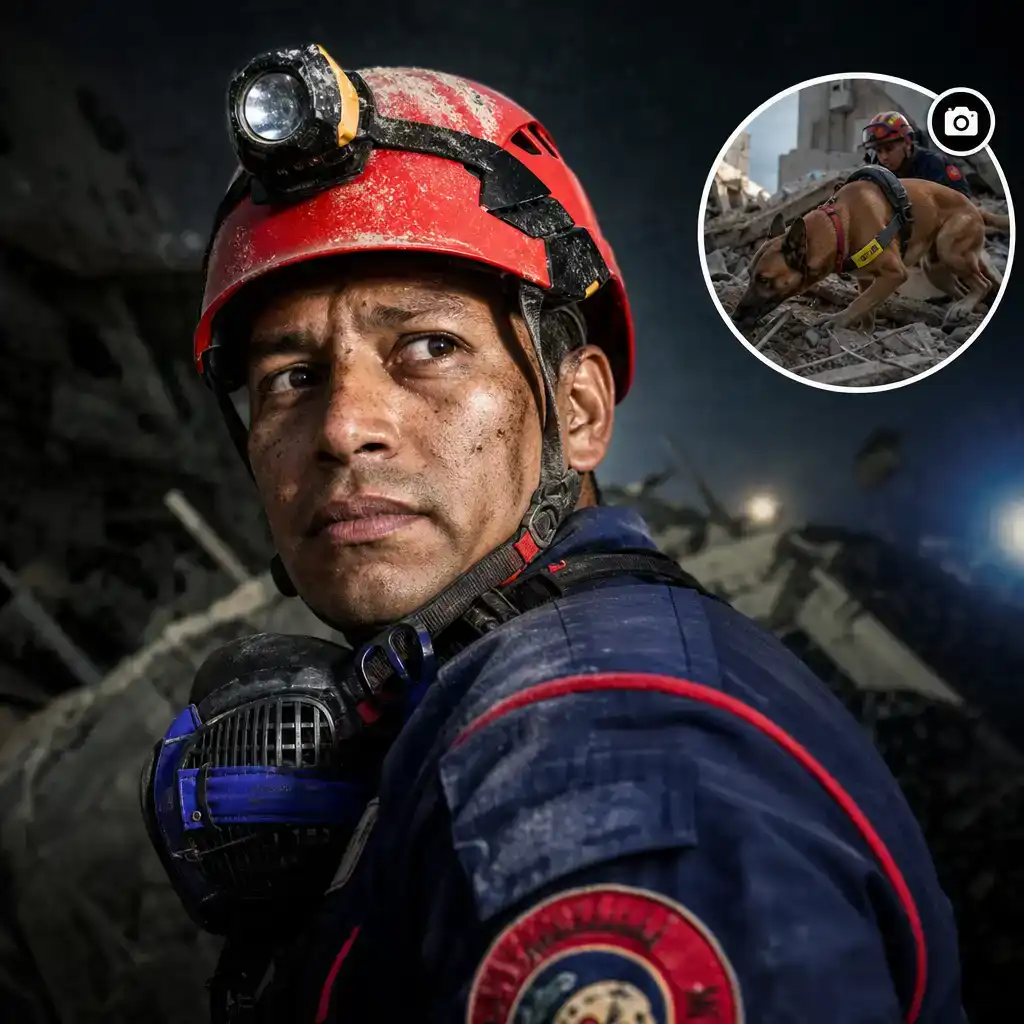
When they find that scent, the dogs are trained to give a “really strong and sustained bark,” alerting their handlers to a possible survivor.
Their training is built around reward. The dogs learn with toys marked by human scent. When they locate a person during a real operation, the handler gives them the toy, which reinforces the behaviour. It is a serious job, even if the reward is charmingly simple.
Sakthy Selvakumaran of Search and Rescue Assistance in Disasters, a UK-based charity that sends teams to major disasters worldwide, said dogs also help during the technical stage of rescues. They may find a safer path through wreckage or identify different access points to reach someone trapped inside.
Why rescuers listen before they dig
One of the most effective techniques, Ivory said, is still “having a really good listen.”
Teams call into collapsed structures, identifying themselves and using some local language to encourage anyone trapped to respond. A shout, tap, scrape or faint movement can help narrow the search area.
Rescuers also use seismic and acoustic listening devices. These can look like small pots or cans attached to wires and connected to monitoring equipment. They are designed to detect tiny sounds and vibrations through concrete and debris.
In simple terms, if someone was scratching at concrete, we’d be able to pick it up, Ivory said, “even if they are entombed in the building.”
That kind of listening matters because digging in the wrong place can cost time and create new risks. Rubble is rarely stable. Rescue teams have to locate people, judge whether the structure might shift, and work out how to reach them without causing further collapse.
Cameras, drones and thermal imaging help narrow the search
When rescuers cannot safely enter a space, cameras can go first.
Technical search cameras are often placed into small gaps, voids and holes that would otherwise be impossible to inspect. Selvakumaran, who deployed with Search and Rescue Assistance in Disasters after the 2023 earthquake in Turkey, said some models are small pods mounted on long poles, with a camera fixed at the end.
Some provide a 360-degree view and can record footage for teams to review on another device. Video cameras can also allow rescuers to speak directly with casualties, Ivory said, which can help assess injuries, keep people calm and guide the next stage of the rescue.
The United Nations humanitarian chief Tom Fletcher has said micro drones, nicknamed “cockroach drones,” are also being used in Venezuela. Their job is to get into tight or dangerous spaces where a human rescuer cannot yet go.
Thermal imaging equipment can also help. Selvakumaran said it may detect people who are “not directly in a rescuer’s line of sight.” A trapped person’s body heat can warm the surrounding rubble, allowing teams to “see through some types of walls.”
What tools are used when teams begin cutting through debris
Once rescuers believe they know where someone is, the work often shifts to cutting, drilling and breaking through layers of material.
Teams use tools such as:
- Disk cutters
- Saws
- Handheld angle grinders
- Other equipment for breaching concrete, metal and furniture
Selvakumaran said the aim is to get through “heavy bits of concrete” as well as obstacles such as filing cabinets, refrigerators and furniture. In a collapsed building, almost anything can become part of the barrier between a survivor and safety.
Some teams carry electrically powered tools. Others bring diesel generators so they can keep equipment running where local power supplies have failed. That may sound mundane, but in a disaster zone, a dead battery can be more than an inconvenience.
Rescuers also have to balance speed with control. Cutting into debris too aggressively can destabilize the pile. Moving too slowly can reduce the chances for anyone trapped without water, food or medical care.
When heavy machinery becomes essential
For people buried beneath multiple layers of debris, hand tools are not enough.
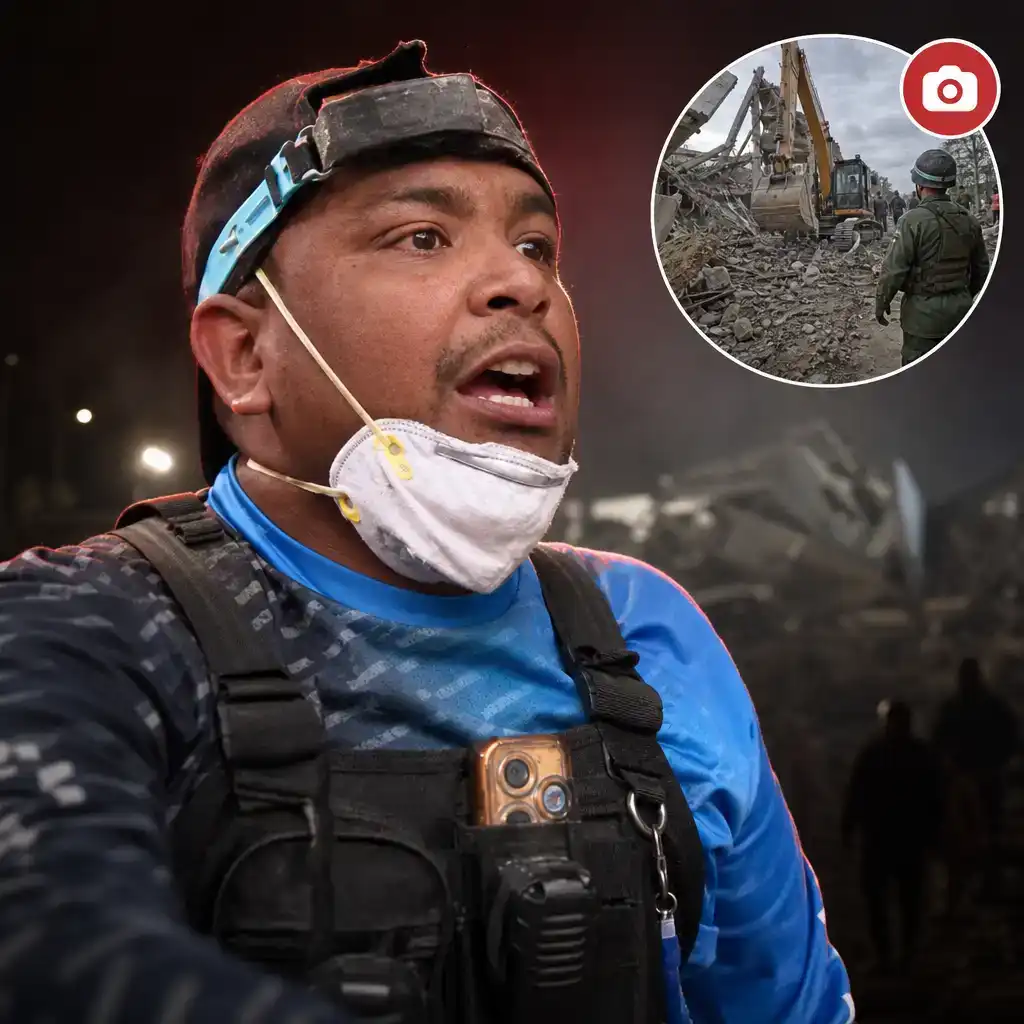
Bulldozers, diggers and cranes may be needed to move huge slabs of concrete. Selvakumaran said heavy machinery can shift, for example, three storeys of collapsed material to reach someone trapped below.
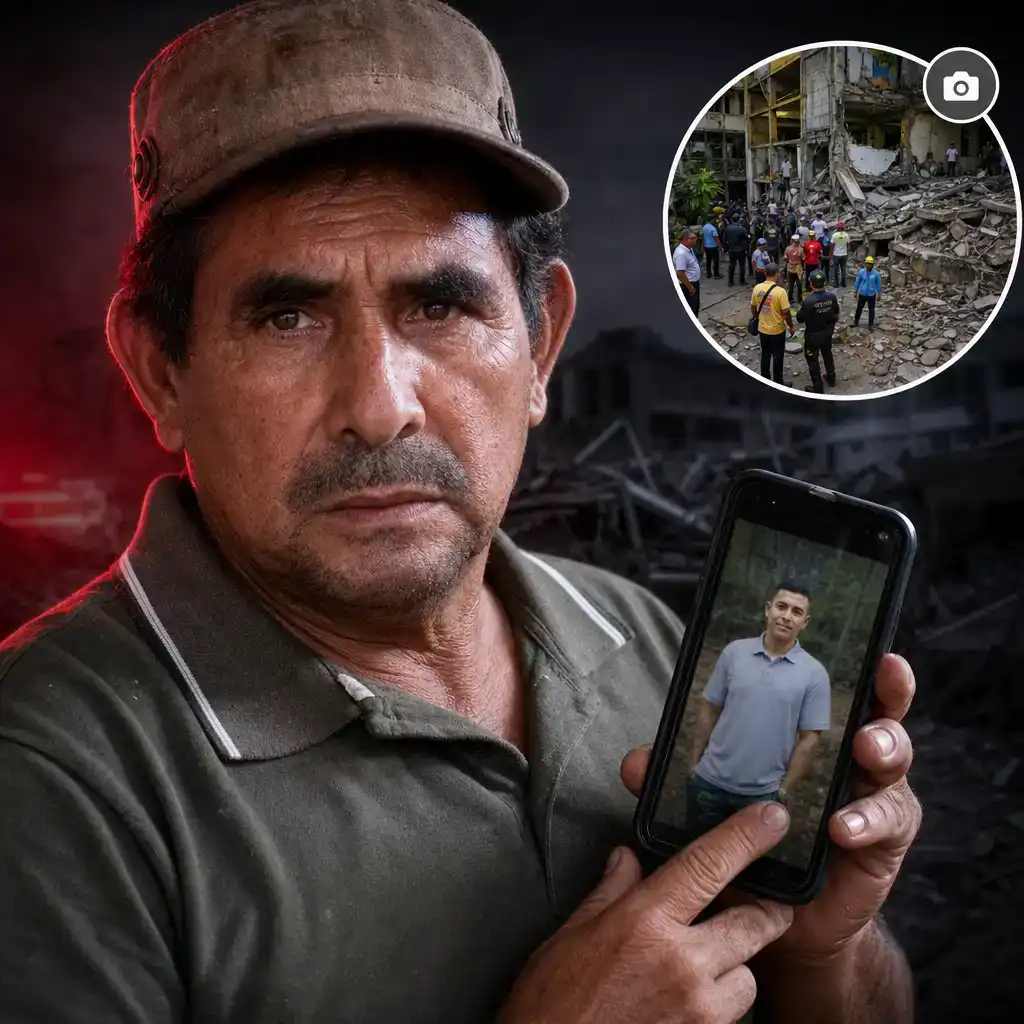
That kind of work is usually coordinated closely with local teams, who often help arrange access to machinery and operators. International teams may bring specialist search and rescue skills, but local knowledge matters: where equipment is available, which roads are passable, which buildings are most dangerous, and where families believe people may still be missing.
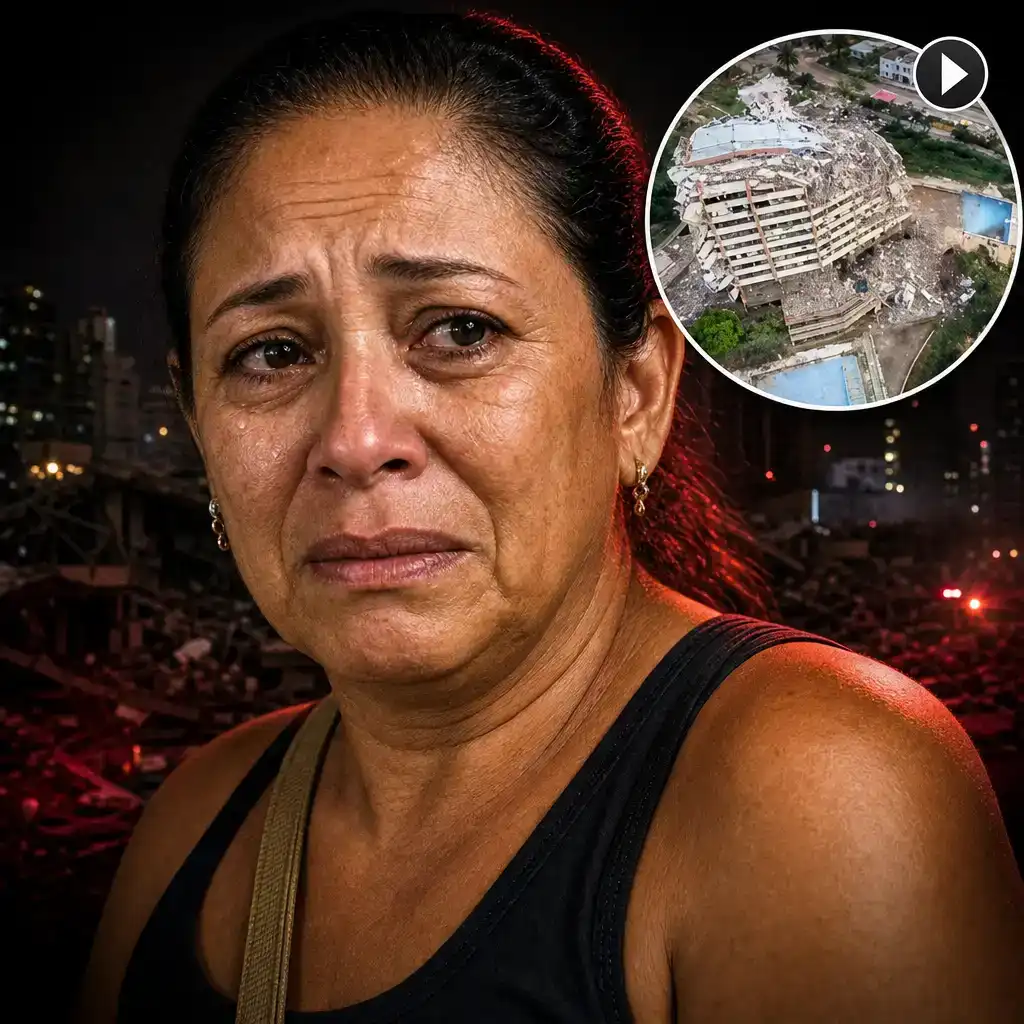
The grim reality is that the longer the search continues, the harder each rescue becomes. But teams in Venezuela are still using dogs, listening devices, cameras, drones, thermal imaging and heavy equipment to find any remaining survivors. The tools are technical. The reason for using them is not: every sound, scent or heat signature could still be a person waiting to be found.