Global Heat Puts August Level With Record

NewsGlobal Heat Puts August Level With Record

August was the joint-hottest month on record, as human-driven climate change and a strengthening El Niño combined to raise temperatures across the planet.

Dr Samantha Burgess, strategic lead for climate at the Copernicus Climate Change Service, called it “a remarkable month in the global climate record”. The consequences, she said, were increasingly affecting communities, economies and ecosystems worldwide. The thermometer, once again, declined to offer comforting news.

Why did August become so hot?

Copernicus pointed to a potent combination of unusually high air temperatures and record ocean heat. Europe’s exceptional summer added to the evidence that climate change is intensifying extremes in both major parts of the climate system.

“The combination of record air temperatures, record ocean heat and Europe’s exceptional summer” showed that climate change was driving extremes across “both the atmosphere and the oceans”, Burgess said.

United Nations climate chief Simon Stiell said the record made humanity’s role unmistakable.

Most read

  1. CelebrityVinnie Jones and Emma Ford Step Out in London
  2. CelebrityTheo James Punctures Meghan Markle Casting Rumors
  3. CelebrityErika Eleniak’s OnlyFans Pulls In $10K a Week

“The evidence is irrefutable: this is the spiralling price of humanity’s fossil fuel addiction, and the global climate crisis it is fuelling,” he said.

Burning coal, oil and gas continues to increase the concentration of heat-trapping gases in the atmosphere. That long-term warming trend forms the background against which natural climate patterns now operate, with increasingly severe results.

How is El Niño adding to the heat?

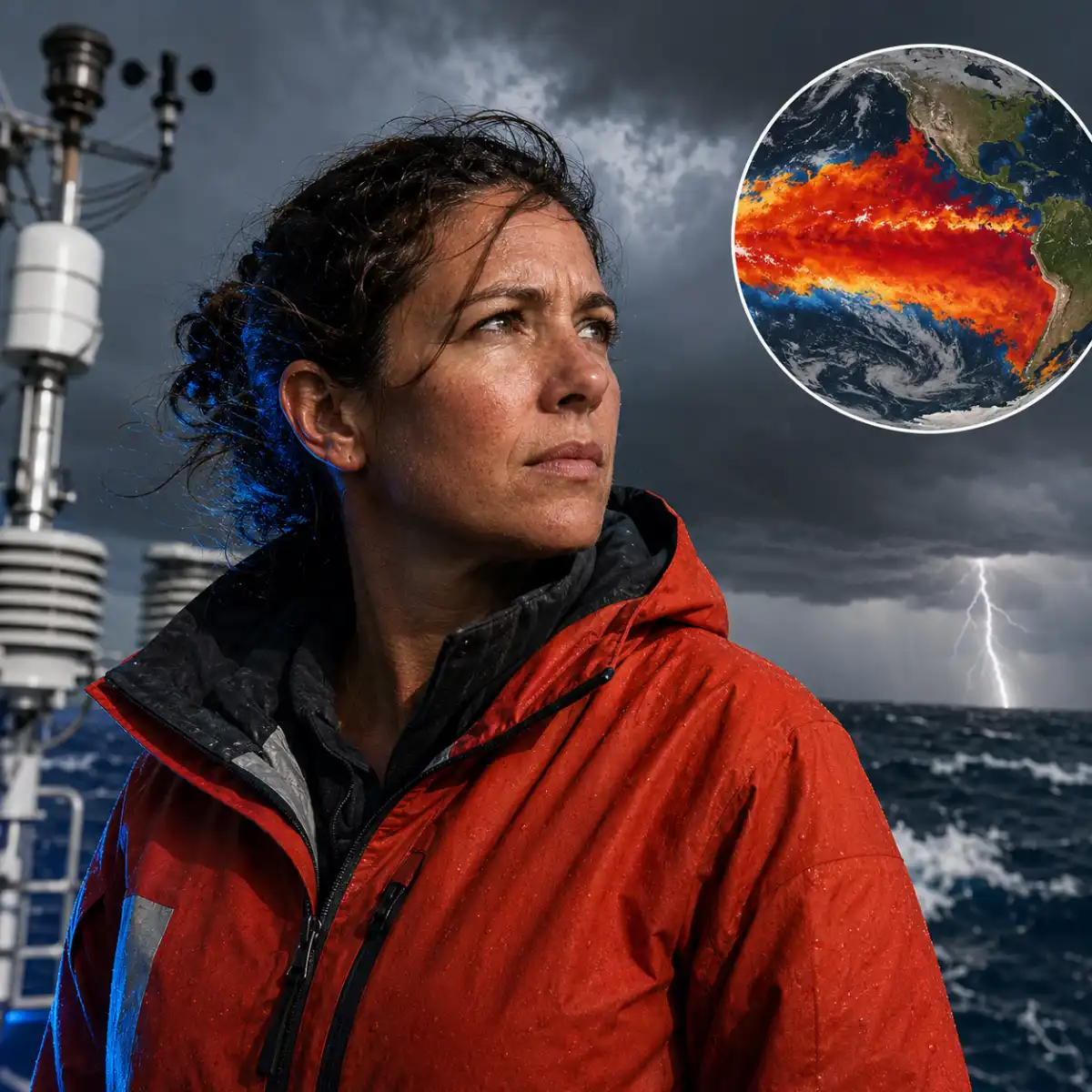
Researchers said the emergence of a powerful El Niño was making the underlying warming worse. El Niño is a natural climate pattern in which a band of the eastern Pacific Ocean becomes unusually warm.

That process releases large amounts of heat stored in the ocean into the atmosphere, typically pushing average global temperatures higher for about a year. It does not cause climate change, but when it arrives on top of decades of fossil-fuel emissions, it gives an already warming planet another push.

The current El Niño was still strengthening, according to the Copernicus team, and could become one of the most powerful ever recorded. Its largest effect on global temperatures was expected over the following year.

That means the recent run of temperature records may not have reached its limit. With oceans already registering unprecedented heat and the atmosphere following closely behind, the next phase is unlikely to be subtle.

Tags:
august global temperature recordclimate changeel niñoocean heat

About The Hook Editorial Team

Editorial Team

The Hook Editorial Team delivers daily news reporting and analysis.