Why Circe becomes the film’s most disturbing presence
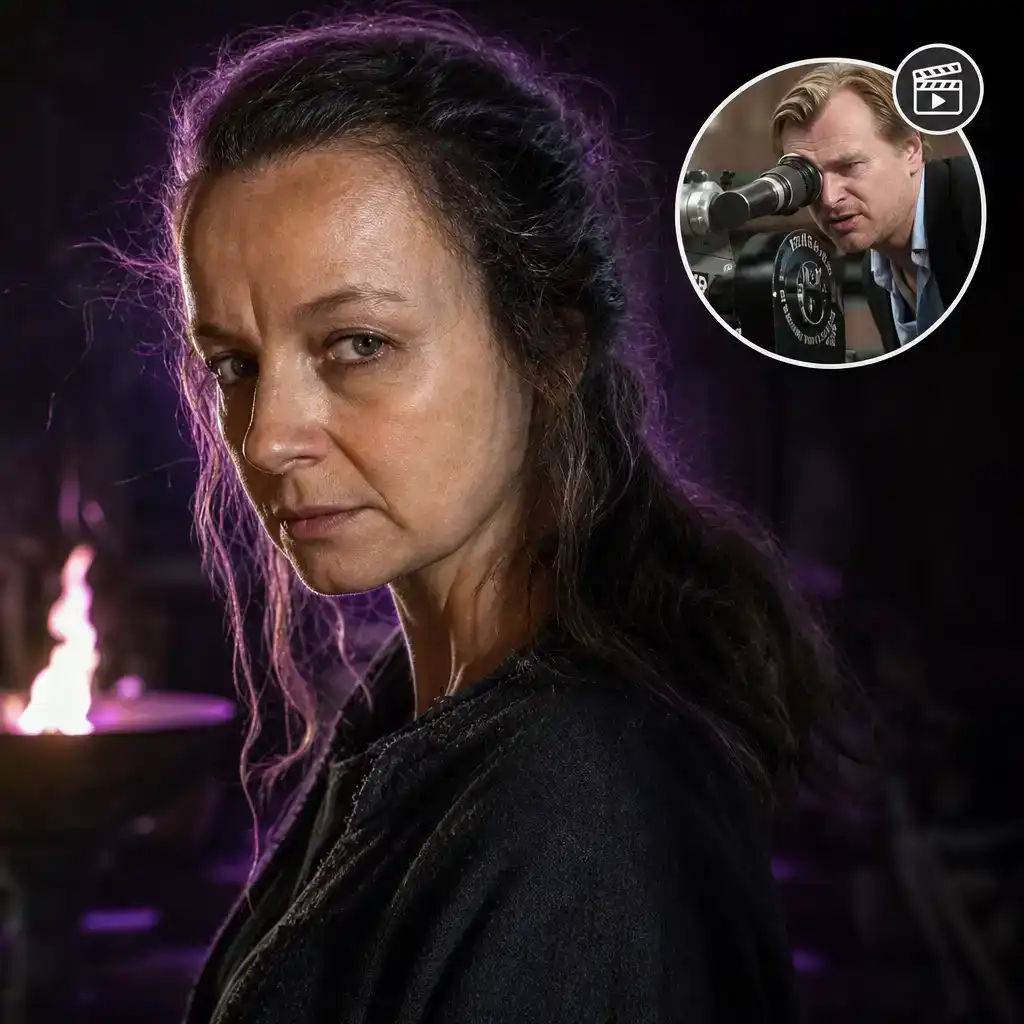
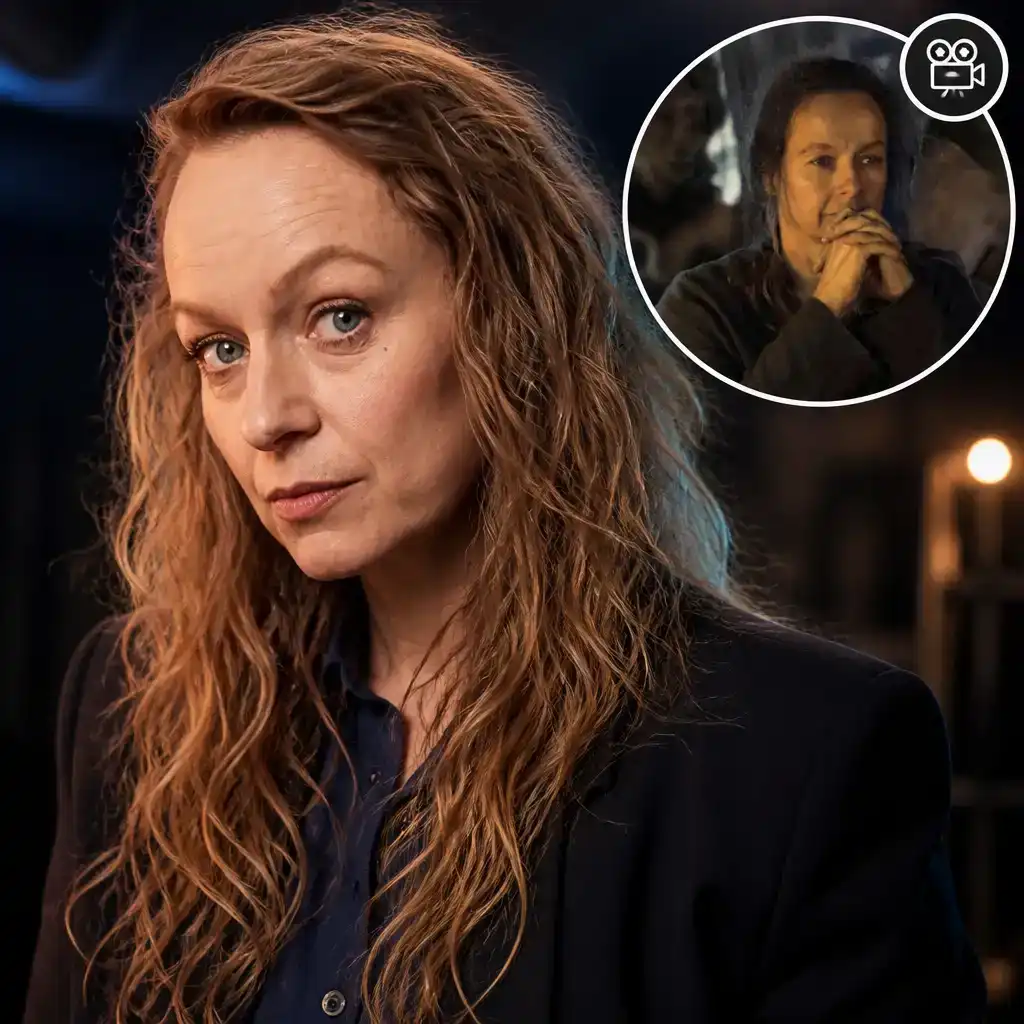
Samantha Morton plays Circe with a stillness that feels more dangerous than any grand villain speech could. Her arrival brings something unusually blunt into Nolan’s filmography: full body horror.
The scene begins with Odysseus’ hungry crew accepting food. Himesh Patel and the other men eat the stew placed in front of them, unaware of what is coming. Then Circe begins to change them. Their skulls are reshaped under her hands, as if their heads have become soft material on a potter’s wheel. Skin tears away. Tendons stretch. Bones crack. Human faces collapse and reform until the men resemble the pigs their appetites have made them seem like in the story’s moral logic.
It is not a polite transformation. It is wet, ugly, and patiently staged. The obvious comparison is the donkey transformation in Disney’s Pinocchio, if that childhood trauma had been revisited by filmmakers with fewer concerns about bedtime. The result lands closer to David Cronenberg than to the cerebral spectacle many viewers associate with Nolan.
How the practical effects make the horror land
The most surprising thing is how much of the transformation was created in-camera. Anne Hathaway, who plays Penelope, said she assumed Nolan had finally used digital effects for the sequence because the image seemed too difficult to achieve practically.
“I remember when I was watching it, I thought, ‘Oh, so Chris has finally broken the rule.’ This has to have been done with computers because how on earth?” Hathaway said. “It doesn't make sense. So in my head, I'm just like, ‘Oh, I can't wait to find out what's behind that.’ And then I asked him, and he said, ‘Nope, it's all practical. All practical, done on the day.’ And I won't give away how that happened because people should discover it for themselves. It was just a combination of ingenious filmmakers using practical effects with a brilliant actress giving an astonishing performance. I'll never forget it. It's a highlight of the film for me by far.”
The methods are being kept quiet for now, which is probably wise. Special effects artists have been creating memorable transformation scenes for decades, with An American Werewolf in London still standing as a benchmark. Even so, the Circe sequence has enough moving pieces, textures, and physical distortion to make the absence of CGI feel almost rude to common sense.
Why the scene works before the transformation even begins
The horror does not start with cracking bones. Nolan changes the mood before anyone changes shape. The score, often thunderous elsewhere in the film, gives way to whistling wind. The silence around Circe’s home feels arranged rather than natural.
Then there are the animals. Lions and tigers line the grassy approach, settled among the rocks as though this impossible habitat is normal. They are not mythical monsters like the Cyclops or the six-headed Scylla. They are familiar creatures, which makes their calmness stranger. Nothing lunges. Nothing announces danger. Everything simply waits.
That restraint gives the scene a folk-horror chill. It recalls the controlled wrongness of Summerisle in The Wicker Man, where the problem is not just what people do, but how peacefully they do it. The build-up is simpler than the transformation that follows, but just as effective. By the time the men eat, the audience already knows this house is not offering hospitality. It is offering consequences with tableware.
How this connects to Nolan’s earlier use of fear
Nolan has spoken openly about wanting discomfort from his films. While discussing Oppenheimer in 2023, he said he hoped it would leave “people with sort of an uneasy feeling.” He also described the Trinity Test centerpiece as aiming for “beauty and horror in equal measure, that contradictory impulse.”
That contradiction is central to Oppenheimer. The test itself has terrible grandeur, but the real horror arrives afterward, when Cillian Murphy’s J. Robert Oppenheimer confronts what he has helped unleash. The celebratory atmosphere curdles. A bright flash reveals bodies and consequence where applause should be. Nolan turns guilt into something visual.
He has done similar work before. In Batman Begins, Scarecrow’s fear toxin externalizes panic. In The Dark Knight, The Joker’s smeared makeup and scars suggest a human story so damaged that the ambiguity becomes part of the terror. These are horrors of the mind and society, projected outward.
The Odyssey changes the balance. Its terror is not only symbolic or psychological. Sometimes it is a witch putting her hands on a man’s face and remaking him into an animal.
Why a full Nolan horror film now feels inevitable
Predicting what Nolan would do with a dedicated horror project is risky, mostly because his career has not exactly followed a tidy path. After Oppenheimer became a billion-dollar hit and swept through awards season, his next major move was not the obvious one. He turned to one of the oldest stories in Western literature and found, among other things, a deeply unpleasant pig transformation.
That is what makes the idea exciting. A Nolan horror film would likely not be small or casual. It would probably be structurally ambitious, formally exacting, and deeply committed to making viewers sit with dread rather than simply jump at loud noises. The Odyssey suggests he already understands horror’s key principle: it is not a downgrade from serious filmmaking. It is one of the cleanest ways to force attention.
Nolan once described movie entertainment as engagement, not just pleasure. The Odyssey proves he can engage by appalling and horrifying, too. If this is what he does while making an adventure, the question is no longer whether he could make horror. It is why he has not done it properly yet.