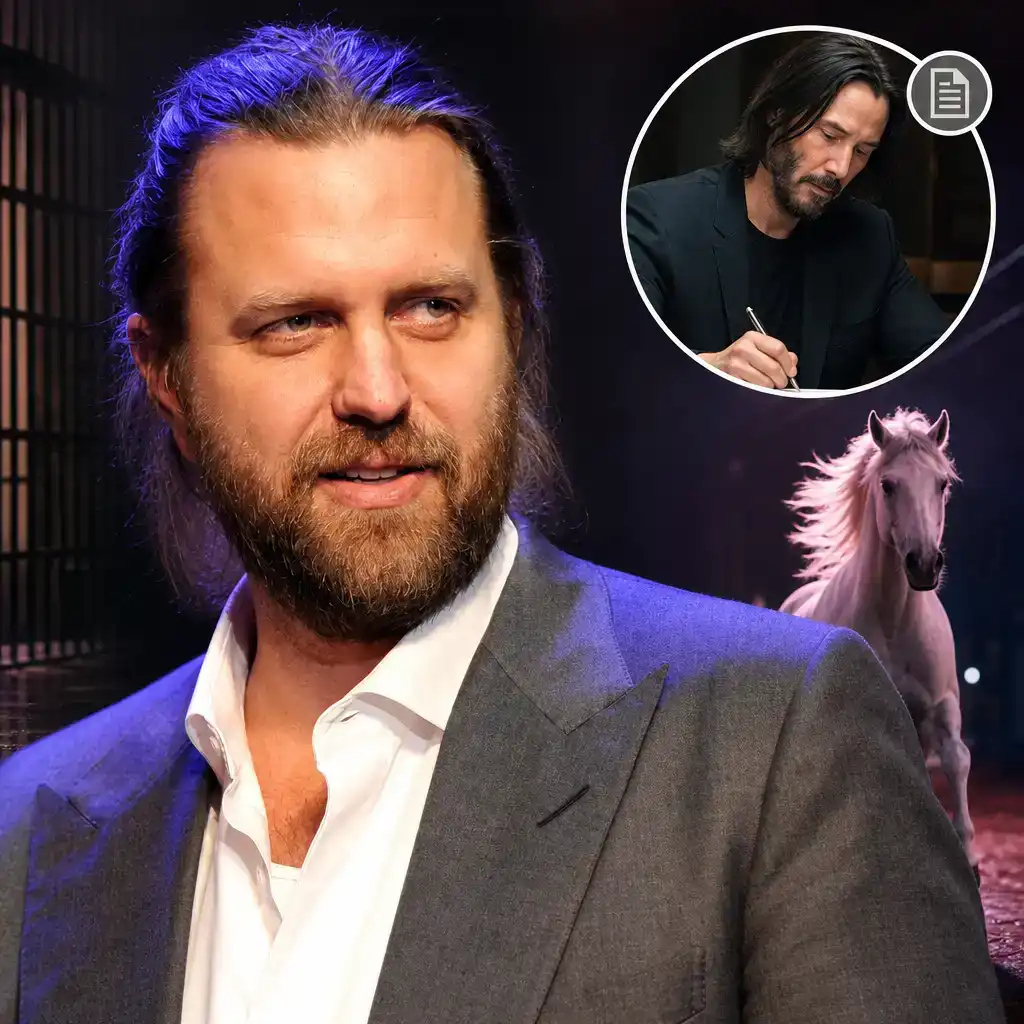
Defense attorney Daniel McGuinness told the court that Rinsch is now confronting issues he had previously avoided.
“Carl is now facing his mental health issues where previously he was unwilling to do so,” McGuinness said.
According to the defense, Rinsch had been “under the care of a doctor” during production, but McGuinness said that doctor “was not doing what he was supposed to be doing.” McGuinness said Rinsch has since completed treatment, “reports feeling better and is seeing things more clearly.”
Rakoff said he “didn’t see signs of psychosis” or another mental illness during the trial itself. Still, he pointed to some of Rinsch’s conduct, including buying five Rolls-Royces that were not registered in his own name, as suggesting “someone who has a manic state of mind beyond simple greed.”
What Keanu Reeves told the court
Rakoff also cited character letters submitted on Rinsch’s behalf, including one from Keanu Reeves. Reeves starred in 47 Ronin and became friends with Rinsch after working with him on the film.
In his letter, Reeves said he had taken part in “an effort in 2019 to get Carl some support by means of an intervention and professional mental health care, which Carl rejected.”
Reeves also wrote that he believed Rinsch’s mental state had deteriorated during the period in question.
“Relatedly,” Reeves wrote, “I believe circumstances arose where his mental health was compromised by misuse of medications and perhaps other issues, which amplified the acts of his self-sabotage and grandiosity, impacting his relationships, work, and ability to complete ‘Conquest.'”
The judge said other letters described Rinsch as “a positive role model.” Those accounts did not erase the crime, but they shaped how the court viewed the person being sentenced, not just the dollar figure attached to the case.
Prosecutors said the fraud harmed more than Netflix
Federal prosecutors had recommended a 60-month prison sentence. They said they had considered Rinsch’s character references and lack of a prior criminal record, and that their request would have been “much higher” without those factors.
In their sentencing memo, prosecutors said the advisory guidelines called for 9 to 11 years, driven largely by the amount of money involved. They argued that Rinsch showed “time and again” a “disdain for the law” while continuing to seek additional Netflix money.
The government also noted that Rinsch had access to “a high-paying trust fund” and wealthy Hollywood contacts who could have helped finance his sci-fi project if that was truly the issue. Instead, prosecutors said, he chose to keep drawing from Netflix while the production stalled.
They also argued that the damage went beyond Netflix’s balance sheet. By being willing to “doom” White Horse, prosecutors said, Rinsch harmed actors and crew members who had invested time, labor, and professional hopes in the project.
Rakoff questioned what a longer sentence would achieve
Before imposing the sentence, Rakoff spoke about the purpose of prison time in white-collar cases. He acknowledged research suggesting that incarceration can have a deterrent effect on white-collar offenders, but questioned whether more than five years would accomplish significantly more than a sentence of two or three years.
“The sentence should be sufficient but no more than necessary,” Rakoff said. “It is so easy to say, ‘He did wrong. Send him away for a long, long time!’ This is another human being, and for all his issues, needs to be considered as a human being.”
Along with the 30-month prison term, Rakoff ordered Rinsch to pay about $11 million in restitution, participate in outpatient mental health treatment, and abstain from “narcotics and other such drugs.”
Michael Schafler, appearing for Netflix, called the case “unusual” and said the company would defer to the court on how repayment should be scheduled. Rakoff acknowledged the practical problem: Netflix is unlikely to recover the full amount.
“I don’t recommend to him that he keep investing in cryptocurrency,” Rakoff said. “It’s just a market for gambling.”
When Rinsch must report to prison
Rakoff ordered Rinsch to surrender on Sept. 1, giving him 60 days before he must report to prison.
The judge ended by recognizing Rinsch’s talent while making clear that talent was not a defense.
“Mr. Rinsch is a very talented person who will still find ways to make use of those talents once released from prison,” Rakoff said. “But he had no reason to do this. He chose to do this and covered it up for years.”