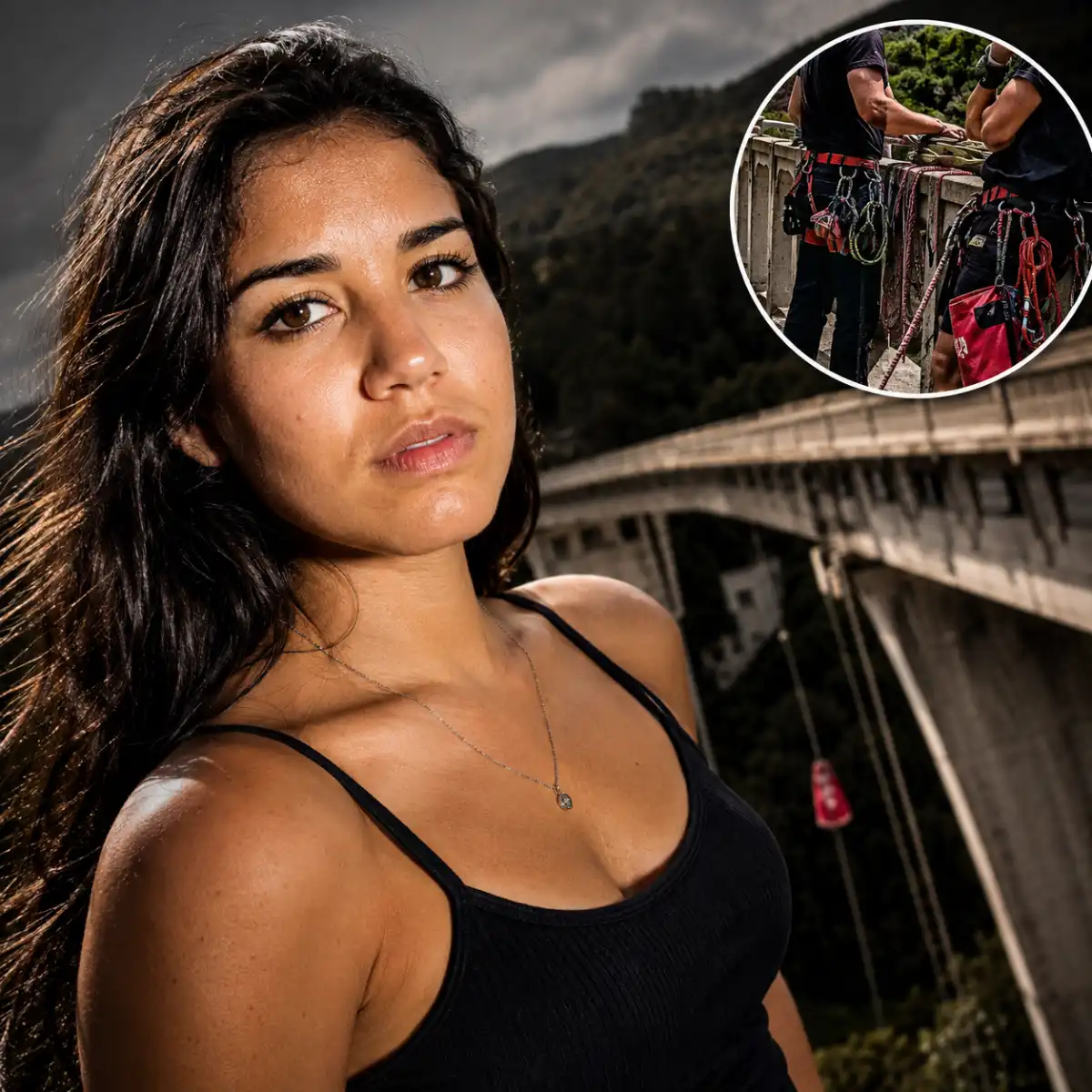
The Brazil rope jumping death of 21-year-old Maria Eduarda Rodrigues de Freitas is now being treated as a criminal case after investigators said she was thrown from a bridge without being attached to the rope system meant to keep her alive. Three instructors have been charged following the fatal incident at Ponte do Esqueleto, known as Skeleton Bridge, in Limeira, São Paulo.
Initial reports described the activity as bungee jumping, but later reporting from the Associated Press identified it as rope jumping. The difference matters. Bungee jumping uses elastic cords designed to rebound. Rope jumping uses low-stretch climbing ropes, typically producing a controlled fall into a pendulum-style swing. In this case, according to investigators, what investigators say was the crucial connection was missing from Maria’s setup.
What investigators say happened at Skeleton Bridge
Maria was at the abandoned bridge on June 13 with others taking part in the extreme sports activity, which is reportedly common among visitors to the area. According to the Associated Press, she asked to be launched in an “airplane” style, a position where the participant is held horizontally before she jumped.
Video shared widely online shows three instructors lifting Maria above their heads. Her arms are stretched out as they prepare to release her. The instructors appear to be wearing harnesses connected to safety equipment, while a rope can be seen on the bridge surface.
Moments later, two of the instructors throw her from the bridge into an estimated 130-foot drop. Authorities say Maria was not attached to any safety rope when she was released. That is not a small procedural gap. It is the procedure.