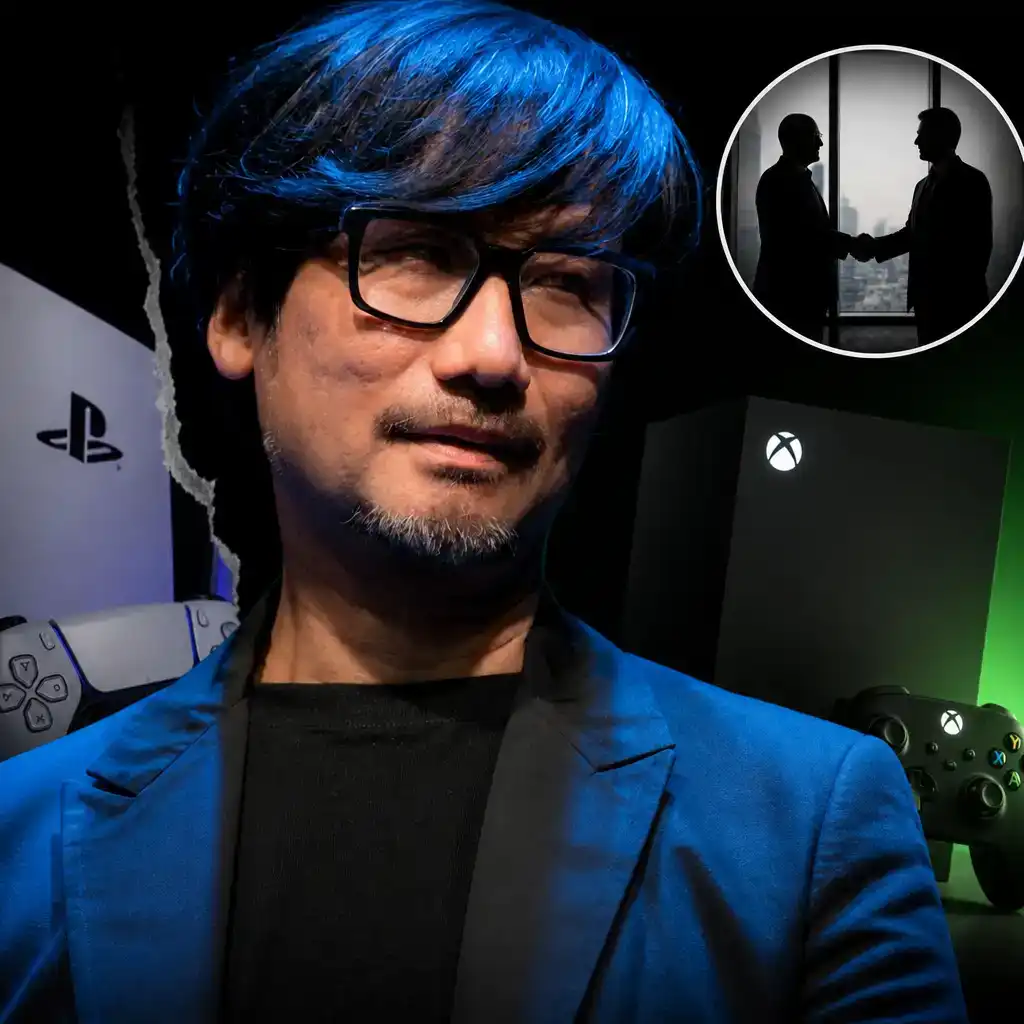
Sony confirmed that it had walked away in a statement posted on X.
“After careful consideration, we have made the difficult decision to step away from collaborating with Kojima Productions on its project Physint,” the company said. “We continue to have great admiration for Hideo Kojima’s vision for the game.”
Sony added that its relationship with Kojima remained strong after three decades of creative cooperation and said it expected further collaboration with him and his independent studio. What that future work might involve is unclear, given that Xbox is now publishing both publicly announced Kojima Productions projects beyond the Death Stranding series.
Some fans have suggested that sales of Death Stranding 2: On the Beach may have influenced Sony’s decision. No evidence has emerged to support that theory, and neither company has explained what changed after Sony reviewed the project.
What does Xbox gain from the deal?
The agreement gives Microsoft a high-profile project from one of the industry’s most recognisable directors. It also offers Xbox a useful chance to present itself as a generous supporter of ambitious games, despite years of layoffs, studio closures and divestments across its gaming business. Corporate reputations are flexible things when a famous developer arrives carrying an espionage title.
Xbox executive Asha Sharma welcomed the partnership in a company announcement.
“Creators have choices about where and how they bring their ideas to life,” Sharma said. “We’re honoured that Kojima-san has chosen Xbox to work with Kojima Productions on Physint. His ambition to challenge conventions reflects the kind of creativity we want to support at Xbox.”
Microsoft said the relationship would extend beyond games. Xbox and Kojima Productions plan to collaborate on film and television projects intended to bring new stories to wider audiences.
That detail may replace part of the original Sony arrangement. Sony’s involvement appeared to include Columbia Pictures, suggesting that a film or television component was already being considered before the publisher withdrew.
Is development still moving forward?
Kojima insists the game remains alive under its new publisher.
“Physint is an important project both to me personally and to Kojima Productions,” he said. “Please rest assured that development of Physint, our genre-defining action-espionage title, is ongoing and will continue moving forward.”
Beyond that description, the studio has not explained how the game plays, what platforms it will reach or when it might appear. OD is similarly difficult to define. Microsoft and Kojima Productions have shown only a brief public glimpse of the horror project, despite announcing their partnership years ago.
Platform plans are particularly uncertain. OD was introduced as an Xbox project, but Microsoft has repeatedly changed its approach to console exclusivity during development. Several former Xbox exclusives have since appeared, or been announced, for rival systems.
The espionage game had originally been positioned as a PlayStation exclusive, with PlayStation 5 expected to be its home. Under Microsoft, an Xbox console exclusive release appears likely, but neither side has formally confirmed that point. A PC version would also fit Microsoft’s usual publishing strategy.
How close are Kojima Productions and Xbox?
Kojima has long been associated with PlayStation, particularly through Metal Gear Solid and the Death Stranding games. His ties to Xbox, however, have steadily grown.
Earlier in 2026, Sharma presented him with a mysterious box. Online speculation quickly suggested that it contained a prototype connected to Project Helix, the reported codename for Microsoft’s next-generation console. Neither Xbox nor Kojima confirmed what was inside, which naturally ensured that everyone discussed it more.
That exchange happened before Sony withdrew from the espionage project, so it was not necessarily connected to the new publishing agreement. OD could nevertheless become a showcase or launch-period title for Microsoft’s next hardware, depending on when either one is finished.
For Sony, the departure creates an awkward result. PlayStation loses a planned first-party exclusive associated with a creator closely linked to the brand, while Microsoft gains both the project and the opportunity to rescue it publicly. The precise reasons remain private, but the practical outcome is clear: Kojima’s Metal Gear-style game is continuing, only now under the Xbox banner.