Still, he said any return to talks would have to come from Tehran.
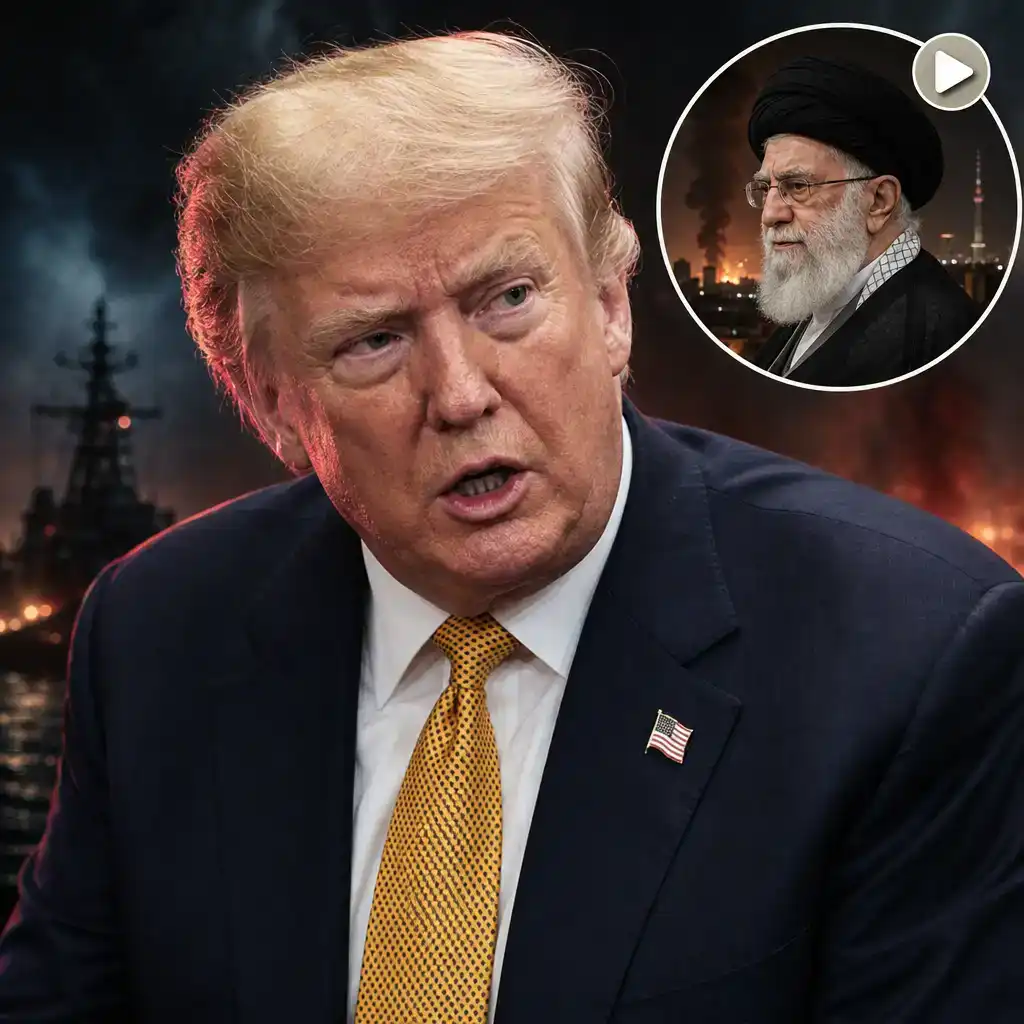
“As far as I’m concerned, it’s just a waste of time dealing with them. They’re liars,” Trump said.
The remarks came during a NATO gathering in the Turkish capital, where the president’s language moved well beyond the usual diplomatic fog machine. Publicly calling the other side “scum” is not generally how governments signal a calm next round of talks, though international negotiations have survived stranger things.
Iran says it struck US military sites
Iran said it had hit 85 United States military sites in Bahrain and Kuwait. Tehran described the attacks as retaliation for US strikes on Iran’s Hormozgan province and the port city of Mahshahr.
Those sites are in countries that host American forces, putting the latest exchange squarely in the category of regional escalation rather than contained confrontation.
The United States, for its part, said it carried out “the powerful strikes” against more than 80 “targets” after Iranian attacks on three ships in the Strait of Hormuz.
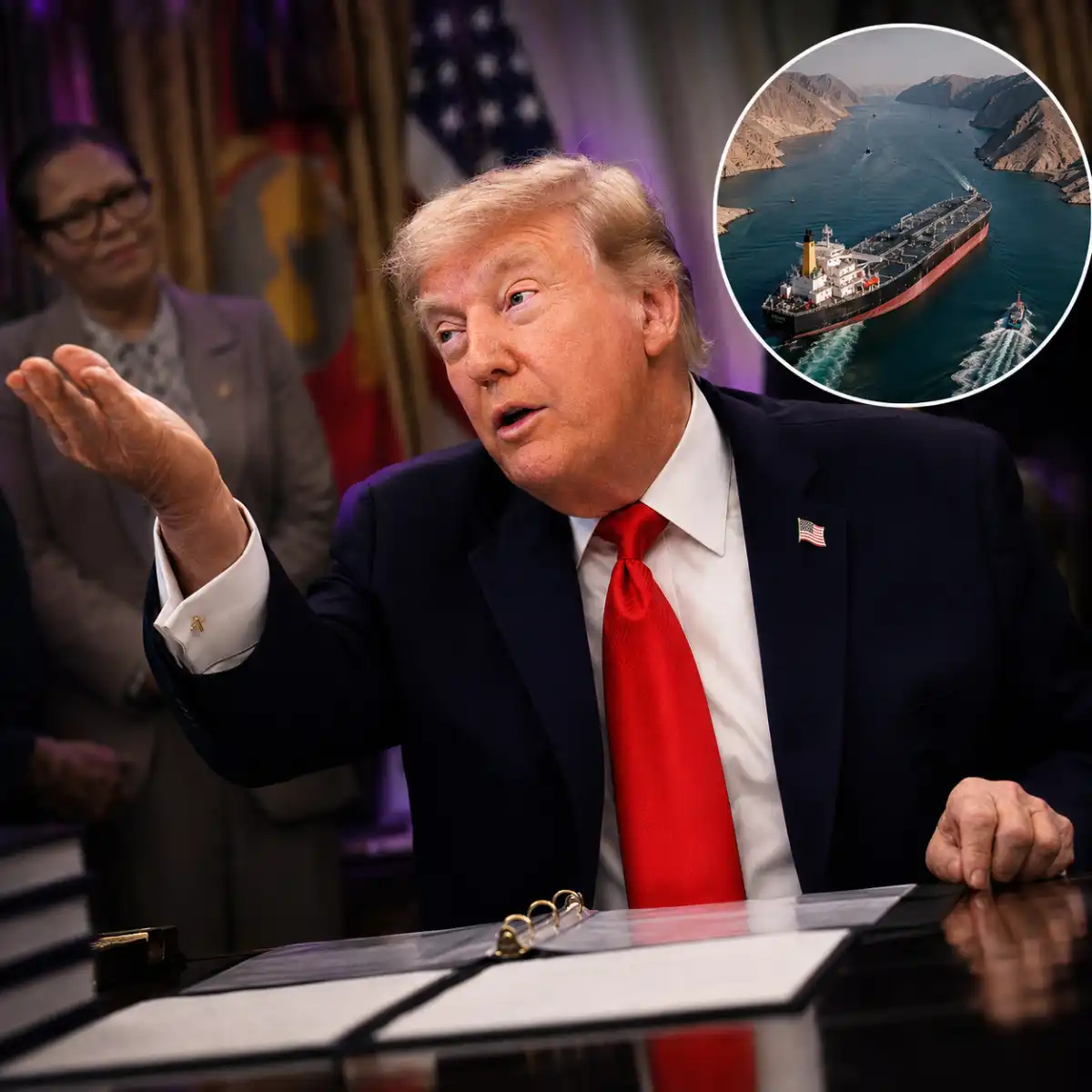
The Strait of Hormuz remains one of the world’s most important maritime chokepoints. About 20 percent of globally traded oil passes through it, which is why attacks there tend to make governments, energy markets, and anyone who enjoys stable fuel prices sit up very quickly.
Why the timing matters for talks
The latest exchange threatens to undermine an agreement reached last month between the United States and Iran to extend their truce and begin negotiations aimed at ending the war.
Despite Trump’s comments, neither country had immediately announced a formal end to negotiations. That leaves the situation in a familiar diplomatic gray zone: officials are saying one thing, the talks may be saying another, and everyone else is left guessing.
Trump’s statement also came after the United States had promised a pause in attacks while Iran held funeral processions for Supreme Leader Ayatollah Ali Khamenei.
Khamenei was killed in joint US and Israeli strikes at the start of the war on February 28, according to the reported timeline. His death has remained a central point in the conflict’s escalation, and the funeral period had been expected to create at least a temporary reduction in direct strikes.
That expectation now looks extremely fragile.
What is clear, and what is not
What is clear is that both sides say they have carried out significant military attacks in recent days:
- Iran says it struck 85 US military sites in Bahrain and Kuwait.
- The United States says it hit more than 80 targets in Iran.
- Washington says its strikes followed attacks on three ships in the Strait of Hormuz.
- Trump now says he believes the truce is “over.”
What remains less clear is whether the diplomatic channel led by Witkoff and Kushner is formally finished, paused, or simply overtaken by the latest statements and counterstrikes.
For now, Trump has placed the burden on Iran to return to the table. Tehran has framed its actions as retaliation. The result is a ceasefire that, at minimum, is no longer functioning like one.