Why athletes objected to the Novig campaign
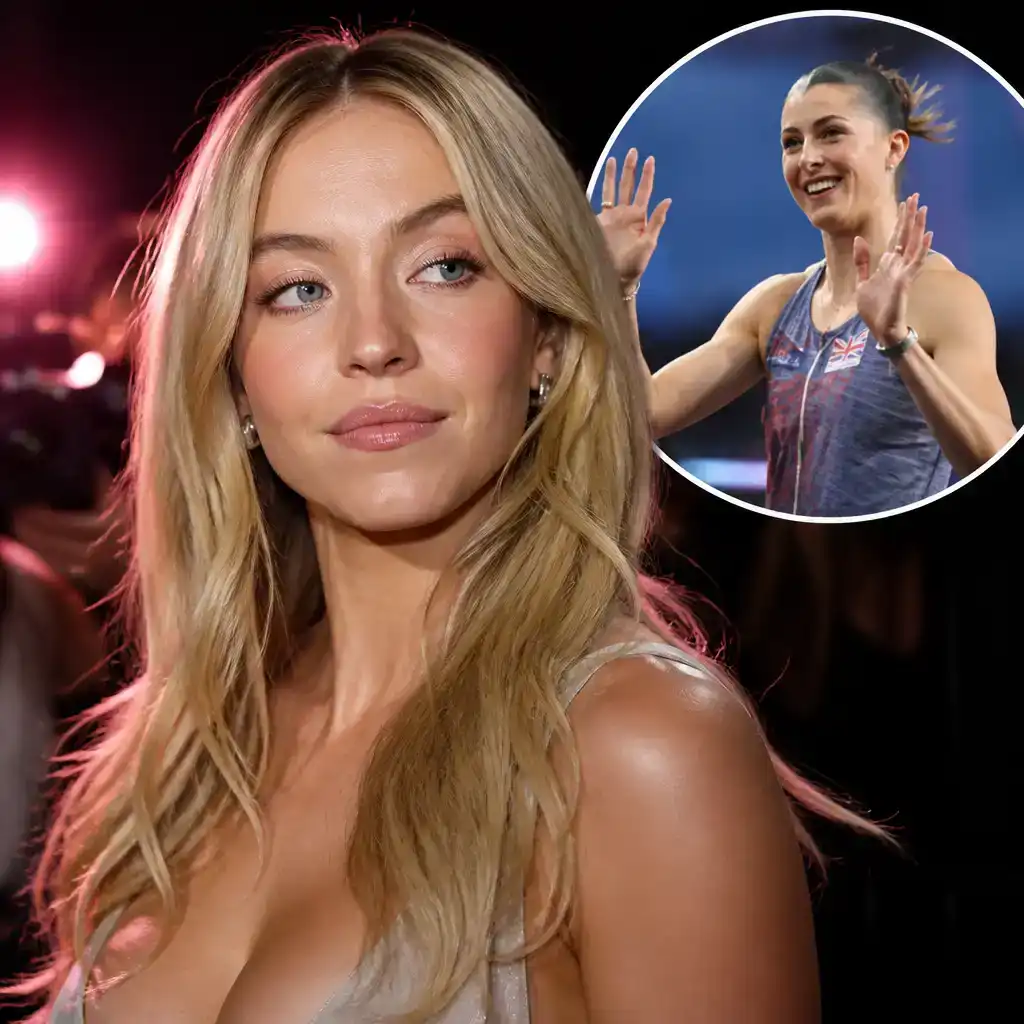
The advertisement features American actor Sydney Sweeney naked, with various pieces of sports equipment covering parts of her body. It promotes Novig, a sports prediction market offering trading across men’s and women’s competitions.
Critics argued that the campaign reduces women in sport to their appearance rather than their performances, training and achievements. The online response began with American gymnast Gracie Kramer, who posted a training montage captioned: “I don’t know what Sydney Sweeney was doing, but this is what women in sport look like.”
Kramer said marketing women’s sport “through the male gaze feels like a massive step backward.” Other athletes followed with footage from training and competition, often describing the injuries, frustration and sacrifice behind their careers.
Australian Olympic sprinter Bree Masters added her own response: “Respectfully Sydney Sweeney… This is what women in sports really look like.” Retired Australian swimming champion Ariarne Titmus said she could not describe her anger at the campaign.
The criticism was not that athletes must avoid nudity. It focused on who controlled the image, what the campaign was selling and whether athletic achievement had once again become decorative background material.
Sweeney has more than a promotional role
Sweeney, known for Euphoria, Anyone But You and The Housemaid, was not simply hired to appear in the advertisement. Front Office Sports reported that she approached Novig, received equity in the company and became a strategic partner.
She described the campaign as “embracing a fun idea.” Novig chief executive Jacob Fortinsky was more direct about its commercial value, saying Sweeney “forces us into national discourse.” On that measure, the campaign has performed efficiently. Whether everyone enjoyed being drafted into that discourse is another question.
Novig says it has more than 250,000 users and has facilitated over $6.5 billion in trading volume. The company raised $75 million in February 2026 at a reported valuation of $500 million.
That financial relationship matters because Sweeney has a stake in more than the advertisement’s creative choices. She stands to benefit from the attention generated around the company, including criticism that keeps its name circulating well beyond its existing audience.
Is Novig a sportsbook or a prediction market?
The campaign has often been described as a sports-gambling advertisement, but Novig uses a more specific label. It calls itself a federally regulated sports prediction market rather than a state-licensed sportsbook.
Prediction platforms allow users to trade contracts linked to sporting outcomes, presenting the activity as a financial market product. Conventional sportsbooks operate under state gambling licences. The distinction sits at the centre of a wider regulatory dispute, although to an ordinary user risking real money on a result, the practical difference may require more explanation than the advertisement provides.
Novig’s real-money product is limited to people aged 21 and older. It is unavailable in Arizona, Nevada and Michigan.
The advertisement also promotes trading across both men’s and women’s events, rather than representing women’s sport alone. That nuance has not softened the objections from female athletes, who say the campaign still relies on sexualised imagery while borrowing the credibility and visual language of elite competition.
Sweeney’s apparent response avoided a direct statement
After the criticism intensified, Sweeney shared images from ESPN’s Body Issue on Instagram Stories. The photographs featured nude or partially nude athletes including Serena Williams, Ronda Rousey, Sue Bird, Megan Rapinoe and Caroline Wozniacki.
IBTimes UK described the posts as an apparent response to the controversy, although Sweeney did not explicitly connect them to the Novig campaign or address the athletes criticising it.
Former Saturday Night Live performer Chloe Fineman also parodied the advertisement online, extending its life as both a marketing campaign and a public argument.
The comparison with ESPN’s athlete portraits does not fully settle the dispute. Those images presented elite competitors as the central subjects of their own stories. Novig’s campaign used an actor, sporting props and sexual imagery to sell trading contracts. The visual ingredients overlap, but context continues to be annoyingly relevant.
For Hunt and the athletes who joined Kramer’s trend, the answer was to redirect attention to performance. A 21.47-second sprint, years of training and a field of world-class competitors made their case without requiring much additional staging.