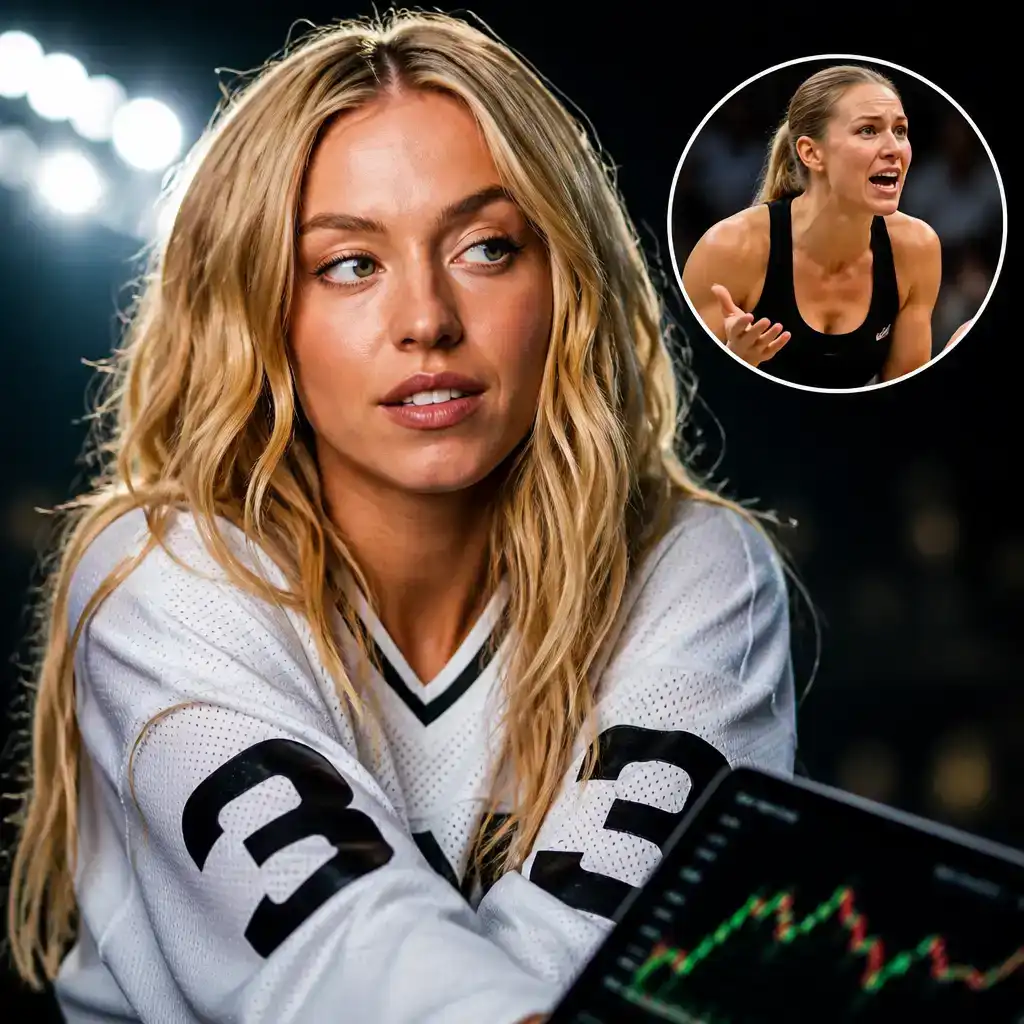
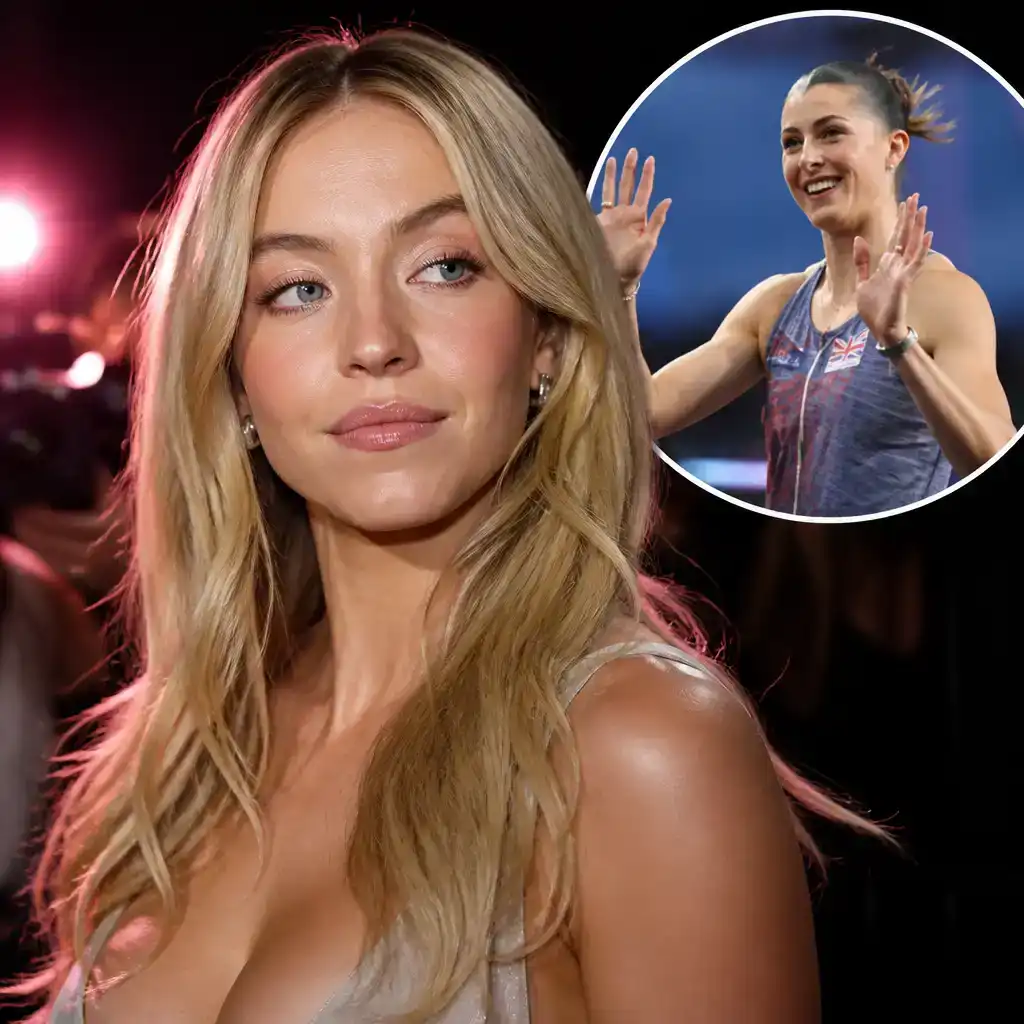
Critics told El País that the comparison missed the central objection. ESPN photographed elite competitors to examine athletic bodies and the physical demands placed on them. Novig used a Hollywood star’s nudity to promote contracts tied to sporting outcomes. Both involve strategically placed limbs, but the purpose is not identical.
When the campaign launched, Sweeney said it was “about embracing a fun idea”.
“The concept is simple: cut through the noise and put the focus entirely on sports,” she said. “The campaign brings that idea to life with confidence, humour, and a playful edge.”
The noise, at least, has been thoroughly addressed.
What did female athletes say about the adverts?
Australian Olympic swimmer Ariarne Titmus said the campaign left her “infuriated”. She described it as “a kick in the face” to women who had dedicated their lives to sport and to those who value its teamwork, friendship, dedication, excellence and unity.
“How do we live in a world where monetising a woman’s body and sexualising women’s sport is still a thing?” Titmus asked.
British sprinter Amy Hunt offered a less polished view of athletic life after an event. “Sydney Sweeney, this is what women in sport look like,” she said, adding that sport is not always “pretty”, “glamorous” or “sexy”.
Former UCLA gymnast Gracie Kramer helped drive a wider response from athletes. Posting training footage, she wrote: “Idk what Sydney Sweeney was doing but this is what a woman in sports looks like.”
Swimmers Lani Pallister and Bree Rizzo also posted footage from training or competition. The Australian Institute of Sport joined the response, shifting attention from carefully arranged advertising photography to the considerably less polished business of elite performance.
Comedian and former Saturday Night Live cast member Chloe Fineman had already parodied the commercial in an Instagram sketch.
Sweeney is an investor, not just the campaign model
The financial relationship adds an important layer. Complex reported that Sweeney is a strategic partner and equity holder in Novig, not merely a celebrity hired for a photoshoot. Her stake has not been disclosed.
Novig chief executive Jacob Fortinsky said Sweeney originally approached the company looking for “some kind of equity partnership”. She later helped develop the campaign while filming Gundam in Australia.
Sweeney told Complex that sport had been a major part of her childhood. She played soccer and softball, joined a snow ski team, learned slalom skiing and trained in mixed martial arts. She also said she enjoys watching hockey and boxing, particularly after playing boxer Christy Martin.
That background explains her personal interest, though it does not turn her into the kind of professional athlete featured in ESPN’s portraits. It also means the campaign’s success could benefit her financially. Celebrity endorsement is one thing. Ownership tends to make the defence more relevant.
Is Novig a betting app or a prediction market?
Some reports have described Novig as a sports-betting app. The company uses different language, calling itself a Commodity Futures Trading Commission-regulated prediction market operating under federal commodities law rather than state sportsbook rules.
According to Novig, customers aged 21 and older trade real-money contracts priced between zero and $1. Contracts that win settle at $1. The service says it operates across the United States except in Arizona, Nevada and Michigan.
The distinction between betting and financial trading is not merely a vocabulary preference. It concerns which laws apply and how sports-event contracts are regulated. For an audience, however, the basic proposition remains familiar: money changes hands according to what happens in sport.
That regulatory framing gives the campaign another unresolved question. Novig says the adverts put the focus “entirely on sports”, while its actual product involves trading contracts linked to results. The athletes objecting to the imagery are therefore not the only people likely to examine what, precisely, is being sold.
Controversy was part of Novig’s calculation
Fortinsky told Front Office Sports that Sweeney is skilled at “captivating audiences and being the centre of attention”. He added: “In some sense, it forces us into the national discourse.”
On that measure, the campaign has performed exactly as intended. It generated criticism from Olympic athletes, parody from a comedian and extensive coverage of a prediction-market company that many people had not previously heard of.
The episode follows Sweeney’s American Eagle jeans campaign, which used wordplay around “jeans” and “genes”. Critics accused that advertising of invoking eugenics. Sweeney later said the reaction “definitely was a surprise” and stated that she opposed “hate and divisiveness”.
Her latest advertising dispute is less abstract. Athletes have made a specific argument about the commercial use of women’s bodies, while Sweeney and Novig have pointed to confidence, humour and a history of nude sports photography.
The debate may look like another argument over a provocative advert. Her undisclosed ownership stake and Novig’s unusual regulatory model make it more substantial than that, even if the campaign itself arrived wearing very little.