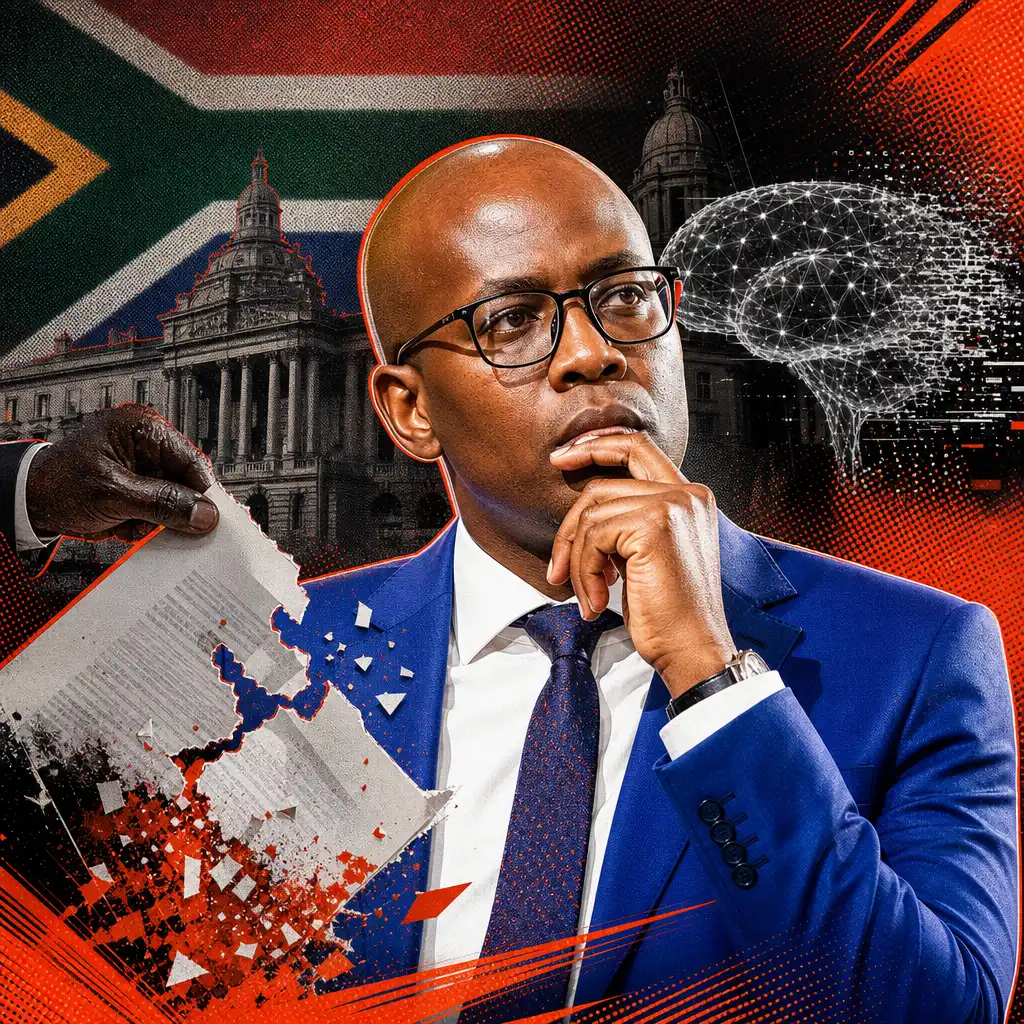
South Africa’s attempt to set out a national AI roadmap has run into the exact problem the policy was meant to help manage: artificial intelligence making things up.
Communications Minister Solly Malatsi has withdrawn the country’s draft national AI policy after News24 found that several of its cited sources did not exist. The document, released for public comment on April 10, was designed to position South Africa as a serious player in AI innovation while addressing the technology’s social, economic and ethical risks.
It also proposed the creation of an AI commission, an ethics board and a regulatory authority. Those are not small-ticket ideas. They are the kind of institutions meant to guide how a country handles a fast-moving technology that can reshape workplaces, public services and education.
Fake sources in a policy about AI
According to News24, at least six of the draft policy’s 67 citations were AI-generated “hallucinations,” meaning references that looked plausible but pointed to articles that were not real.
The fake citations reportedly referred to legitimate academic journals, which made the issue harder to spot at a glance. Editors from the journals named in the draft independently confirmed that the cited articles were fabricated.
That matters because policy documents rely on citations to show the evidence behind government proposals. If the references are invented, the credibility problem is not cosmetic. It cuts directly into trust in the process.
Minister says human oversight failed
Malatsi addressed the withdrawal on X, saying: “The most plausible explanation is that AI-generated citations were included without proper verification.”
He added: “This failure is not a mere technical issue but has compromised the integrity and credibility of the draft policy.”
In a further acknowledgement of the wider lesson, Malatsi said: “This unacceptable lapse proves why vigilant human oversight over the use of artificial intelligence is critical. It’s a lesson we take with humility.”
The minister has also said that those responsible for drafting the policy will face consequences for the oversight.
What happens next
The draft is expected to be corrected and released again for public comment.
The timing is awkward, but the lesson is fairly direct: governments can use AI tools, but they cannot outsource verification to them. Especially not in a document meant to tell everyone else how to use AI responsibly.