Breakups have always produced questionable coping strategies. Now there is a new one with a GitHub page.
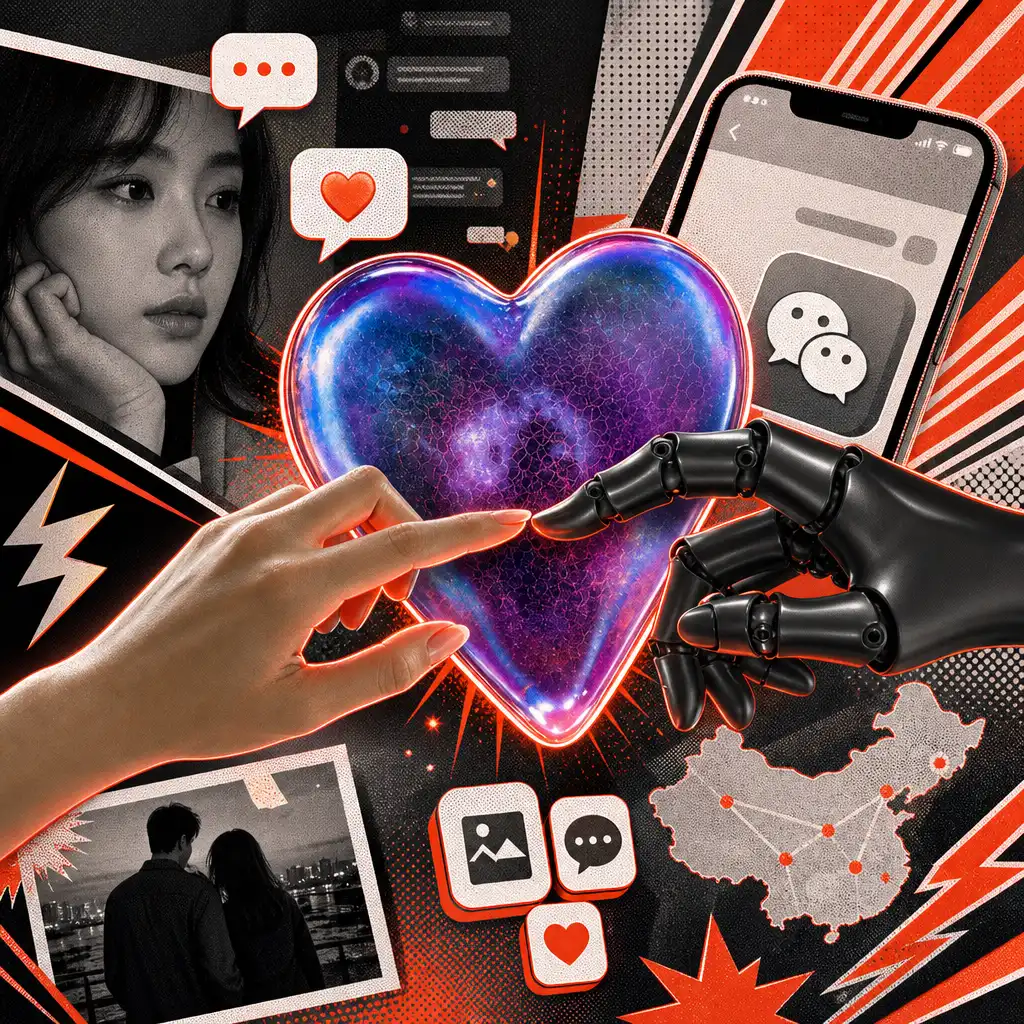
An open-source tool called Ex.skill is drawing attention for letting users create an AI version of an ex-partner, built from old messages, social media posts, photos and personal memories. The project frames itself as emotional closure rather than digital attachment, although the line between the two is already where the debate begins.
What Ex.skill actually does
Ex.skill is described on GitHub as a tool designed to help people process the end of a relationship. Its own pitch leans heavily into grief language:
“Every relationship teaches us something,” the page reads. “Some people leave, but their words, their laughter, the way they got angry — all of it stays in your neural network. This Skill just helps you migrate those memories from biological to digital neural networks. Not to hold on, but to say a proper goodbye.”
According to the project description, users can feed the tool material connected to a former partner, including:
- Text conversations
- Social media posts
- Photos
- The user’s own recollections of shared moments
From that, Ex.skill generates an AI agent intended to imitate how that person sounded, replied and remembered the relationship. The page says it can create an AI Skill that “truly sounds like them — speaks with their catchphrases, replies in their style, remembers the places you went together.”
The examples listed by the project include three types of conversations: “casual chat,” “memory lane” and “late night emo.” In one “memory lane” example, the user asks, “Remember our first date?”
The AI replies: “The one with the terrible pasta? Lmao you pretended it was good, I totally noticed that restaurant closed down btw, did you know?”
That is either a clever simulation of intimacy or an emotional pothole with a user interface, depending on who you ask.
The backlash and the appeal
Ex.skill has become especially visible in China, where discussion on social media has split between people who see it as a form of healing and others who see it as a troubling use of personal data and emotional imitation.
According to reports from the South China Morning Post, some users have integrated the tool into other apps, including WeChat. Others have reportedly paid more technically skilled helpers to install it for them, since the open-source setup is not exactly a one-click download for the average heartbroken person.
One user praised the experience online, writing: “I can finally say the things I never got to say, and it makes me feel so much better.”
Another was unconvinced: “The frustration, confusion, happiness and anger one experiences in life cannot be digitised. This is the irreplaceable essence of humanity.”
The project’s creators appear aware of the obvious risks. The GitHub page states that Ex.skill is intended “for personal reflection and emotional healing only, not for harassment, stalking, or privacy invasion.”
That warning matters. A tool that imitates a real person using their messages, images and shared history sits in a sensitive space, especially when consent, privacy and emotional dependency are part of the conversation.
AI relationships are no longer fringe
Ex.skill is not arriving in a vacuum. AI companionship has been moving from novelty to mainstream talking point, with increasingly strange real-world examples.
In Japan, a woman made headlines after marrying an AI agent she created using ChatGPT following the collapse of her real marriage. On Reddit, another user shared that she had become engaged to her AI agent, describing it as her “soulmate.”
In 2025, a man went viral after reportedly cheating on his girlfriend with an AI agent. He proposed to the chatbot and was said to have cried for 30 minutes after it answered “yes.”
Ex.skill adds a sharper twist to that trend because it is not simply creating an imaginary companion. It is designed to simulate someone from a user’s actual life, using fragments of a real relationship as raw material.
For some, that could feel like a private way to find closure. For others, it looks like refusing to let the past remain past, with software doing the enabling. Either way, the breakup playlist may have competition.