Meryl Streep has never needed a cape to command a room, and she is not especially dazzled by Hollywood’s current appetite for good guys, bad guys, and tidy moral lanes.
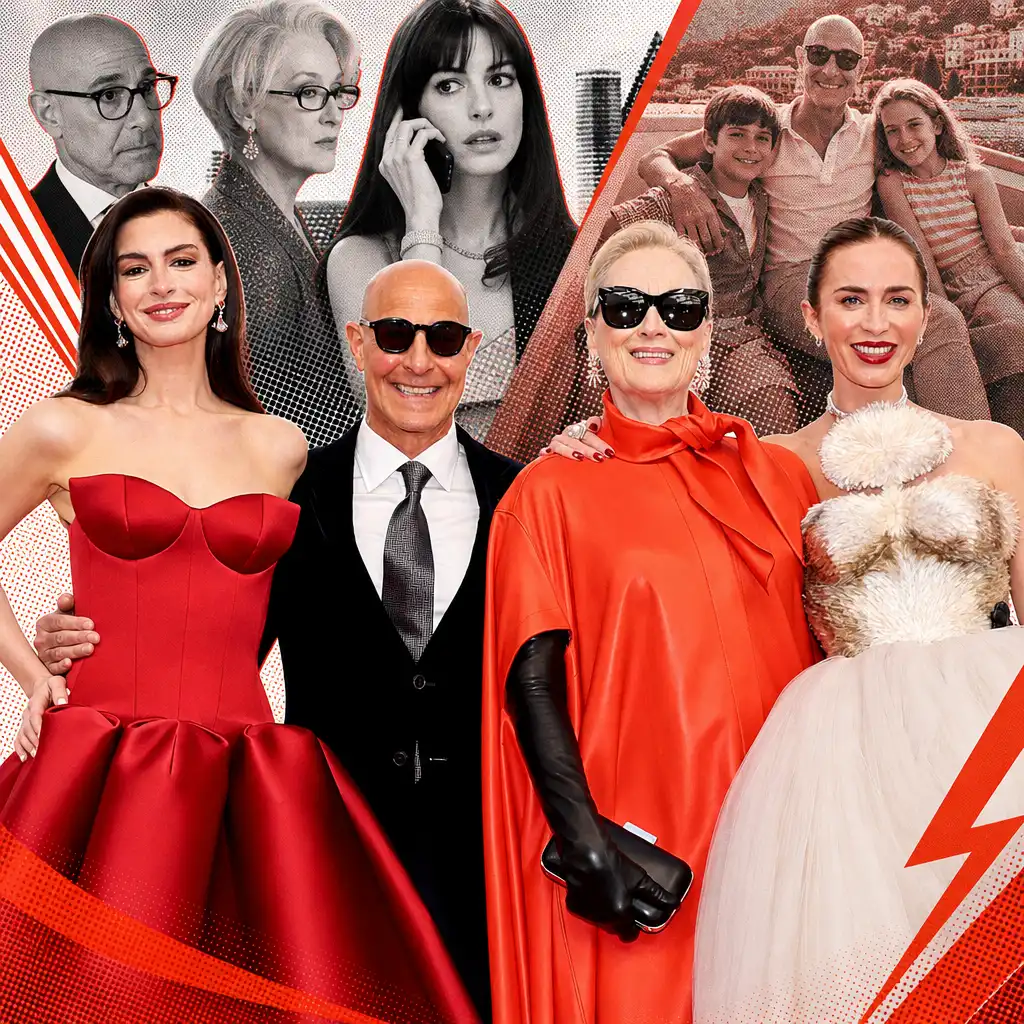
During a recent appearance on the Hits Radio Breakfast Show with Anne Hathaway and Emily Blunt, part of the press tour for The Devil Wears Prada 2, Streep took aim at what she sees as a flattening of character work in mainstream filmmaking.
“I think we tend to Marvel-ize the movies now. We got the villains and we got the good guys, and it’s so boring,” Streep said.
Her point was not simply that superhero films exist. It was that their dominance has helped normalize a cleaner, simpler kind of storytelling, where characters can become functions rather than people.
“What’s really interesting about life is that some of the heroes are flawed and some of the villains are human and interesting and have their own strengths,” she continued. “So that’s what I like about this [film]. It’s messier.”
Why Streep Thinks Miranda Still Works
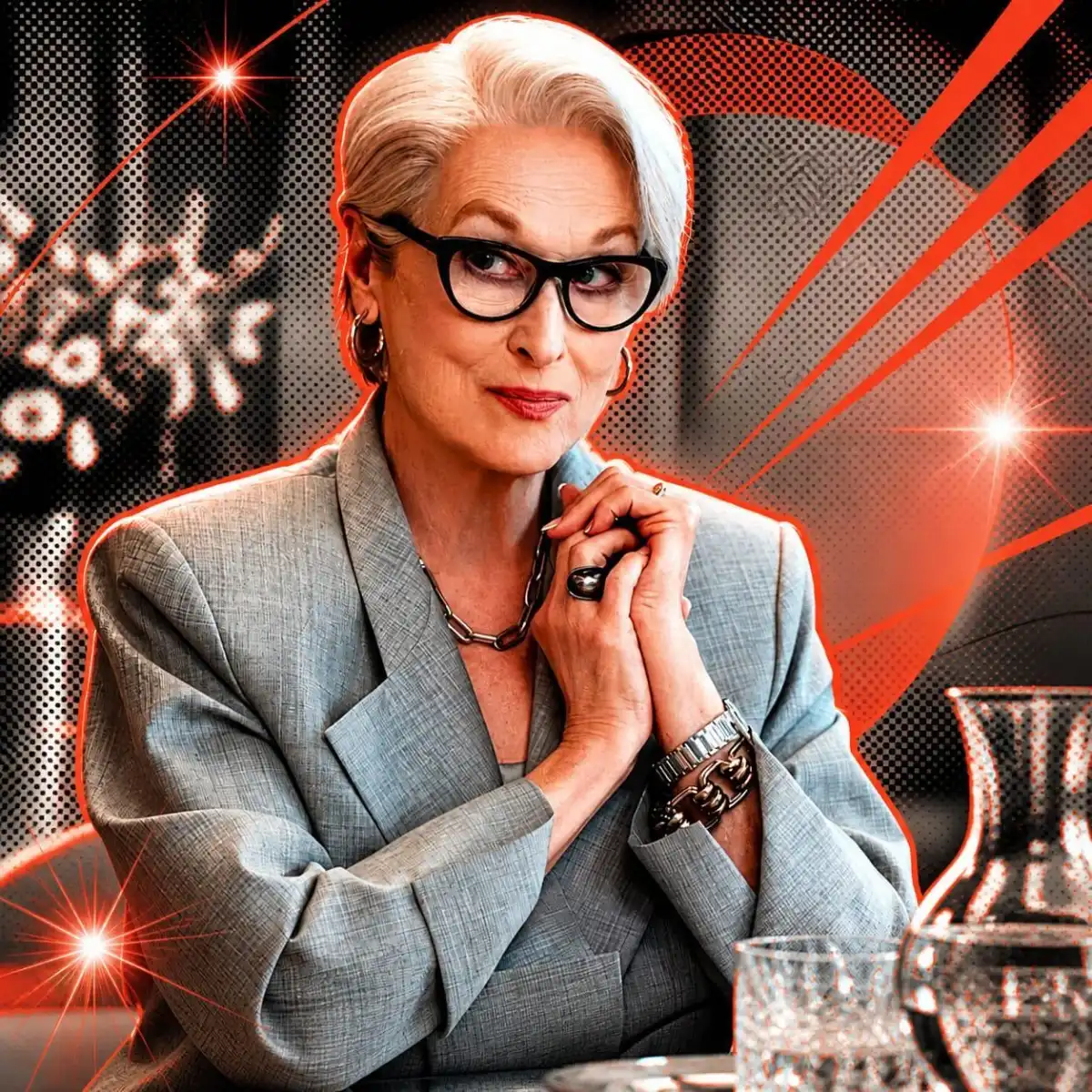
Streep returns as Miranda Priestly in The Devil Wears Prada 2, revisiting the high-fashion world first introduced in the 2006 film. Two decades on, the sequel appears to be leaning into the same question that made the original more durable than a glossy workplace comedy had any right to be: what happens when ambition, taste, power, insecurity, and survival all share the same office?
That is where Streep’s criticism of modern movie storytelling connects to Miranda. The character is not written as a straightforward villain, even if she can reduce a room temperature with a glance. She is exacting, often cruel, brilliant at her job, and sharply aware of the industry she controls. Neat moral labels do not quite fit, which is precisely Streep’s point.
The sequel also includes a line about a shortage of “visionaries” in favor of “vendors,” according to the reported interview context, a very Miranda way of describing the creative economy. Dry, brutal, and not exactly designed for a motivational poster.
The Salary Lesson Streep Learned From the Original
Streep has also been speaking more openly about the business side of the first Devil Wears Prada. In a separate interview on Today, she said she initially turned down the 2006 film over compensation before the studio met her revised terms.
“I said, ‘No, not going to do it,’” Streep said.
She explained that she returned after the studio agreed to her asking price, which doubled her original salary.
“They went right away and said, ‘Sure.’ It took me this long to understand that I could do that! They needed me, I felt. I was ready to retire. That was a lesson.”
It is a revealing detail, not just because Streep was already one of the most respected actors alive at the time, but because it underlines how often even major performers are expected to negotiate their own value only after refusing the first offer.
AI Enters the Runway
The Hits Radio Breakfast Show conversation also moved into artificial intelligence, a subject the sequel reportedly engages with as well.
Asked whether Miranda Priestly would use AI, Streep suggested she would not need to. In Miranda’s world, assistants already handle that kind of work.
That prompted Hathaway to describe a recent hiring experience for an unspecified role. She said she interviewed several candidates and later received thank-you notes that were nearly identical, which she suspected had been written with ChatGPT.
The anecdote neatly fits the film’s larger territory: a workplace shaped by image, speed, performance, and the uneasy question of what still counts as personal taste when technology can imitate polish.
The Devil Wears Prada 2 is now in theaters.