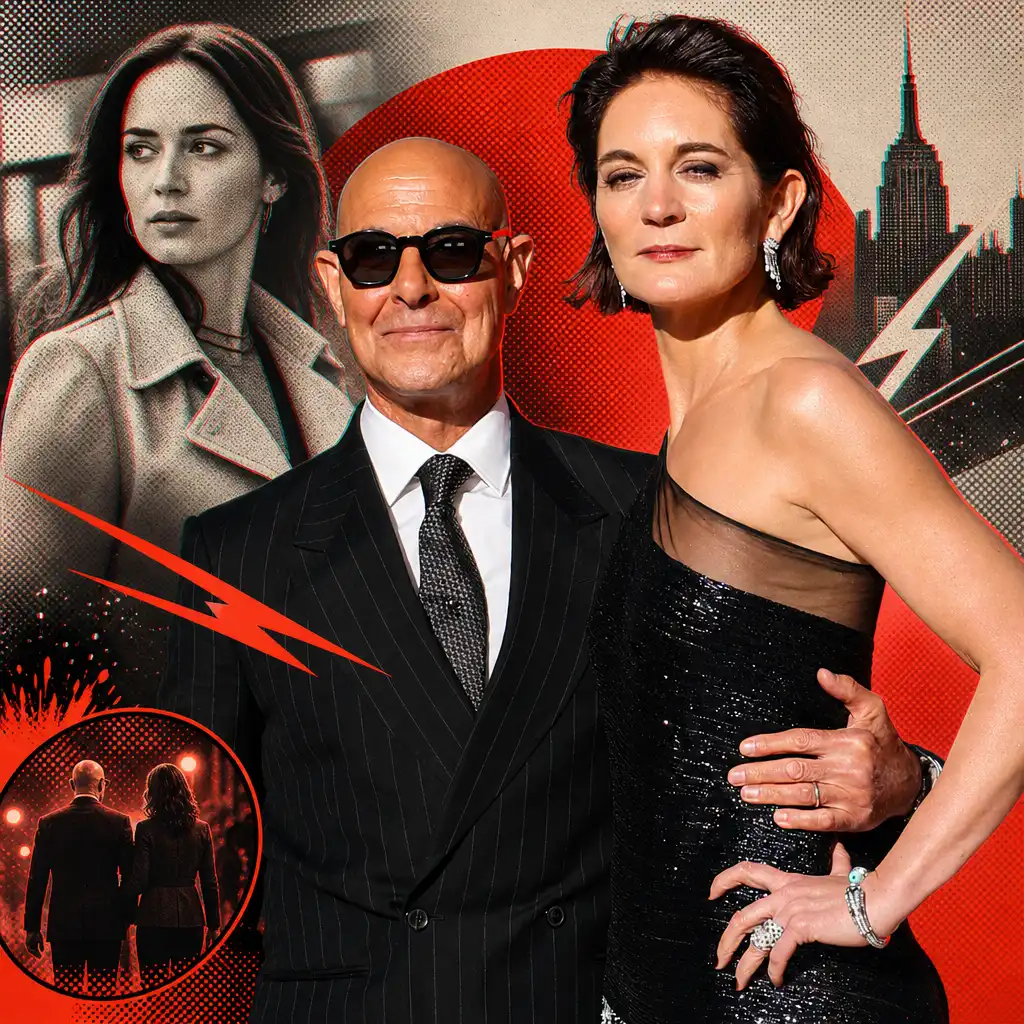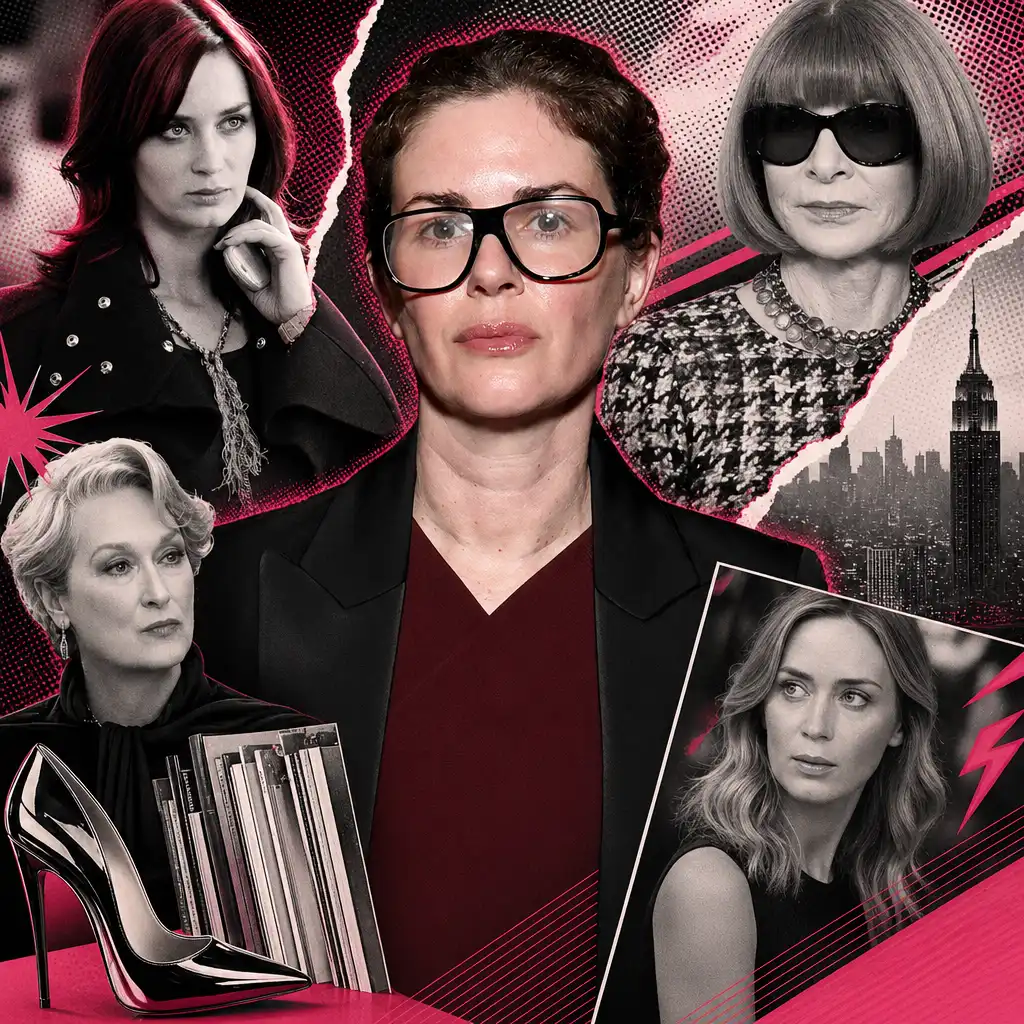
Twenty years after The Devil Wears Prada turned a fashion assistant’s burnout into a pop-culture landmark, the woman widely understood to have inspired Emily Charlton is finally saying the quiet part out loud.
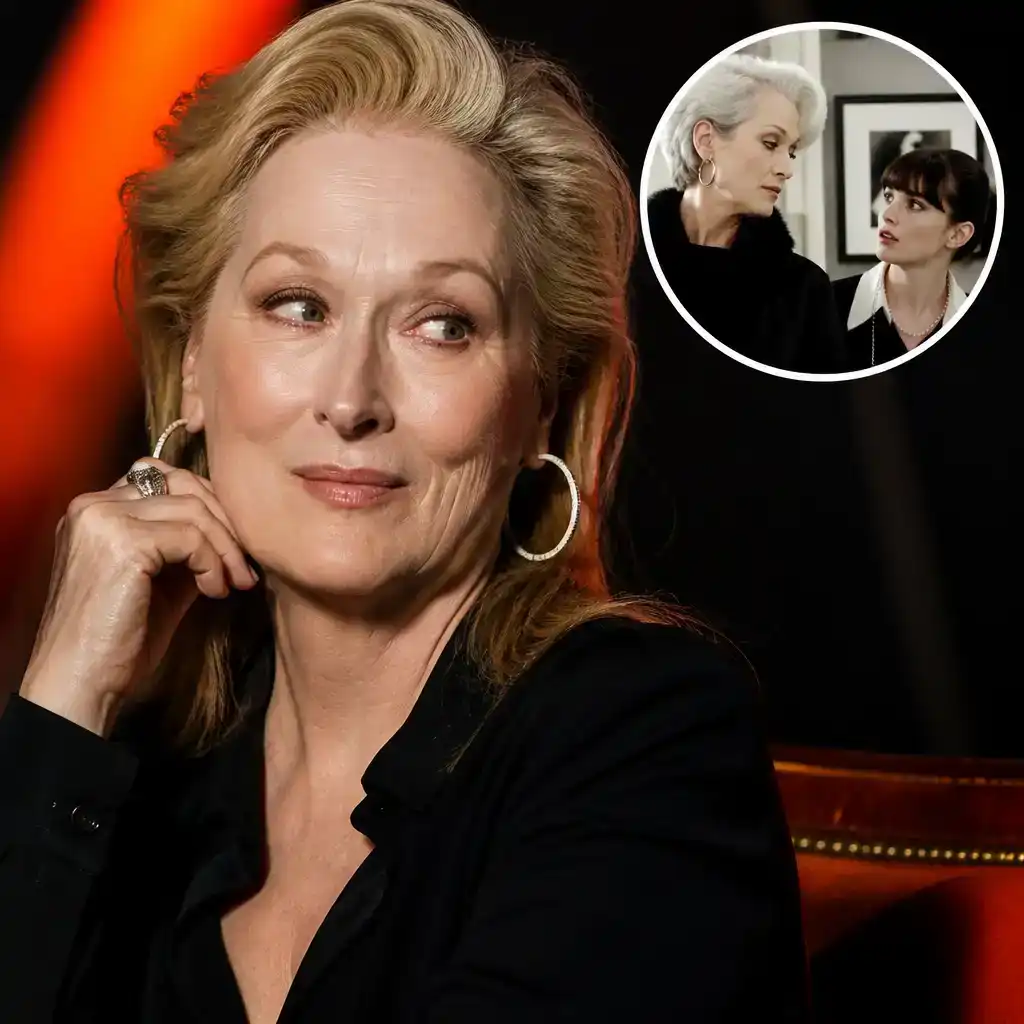
Leslie Fremar, now a celebrity stylist whose clients include Charlize Theron, spoke publicly about the connection on the April 28 episode of Vogue’s podcast The Run-Through. Fremar worked as an assistant to Anna Wintour at Vogue in the early 2000s and hired Lauren Weisberger as Wintour’s second assistant. Weisberger later wrote the 2003 novel The Devil Wears Prada, which became the 2006 film starring Meryl Streep, Anne Hathaway and Emily Blunt.
“I know I am,” Fremar said on the podcast. “I am Emily.”
How Fremar first learned about the book
Fremar said she found out about Weisberger’s novel from Wintour, the longtime Vogue editor who has often been cited as the inspiration for Miranda Priestly, played by Streep in the film.
By then, Fremar was no longer Wintour’s assistant and had moved into Vogue’s fashion department. She recalled receiving a call from Wintour’s office asking her to come in, a request that made her nervous.
“I went into her office and she said, ‘Who’s Lauren Weisberger?’” Fremar remembered. “And I said, ‘She was your junior assistant. She was only here for a short period of time, maybe eight months.’ And she’s like, ‘Well, she wrote a book about us, and you’re worse than me.’”
According to Fremar, Wintour had received an early copy of the manuscript and shared it with her. Fremar said that version was harsher than the book that eventually reached readers.
“It felt quite dark, I remember thinking. And I found that quite hurtful,” she said. “What got put into the world is a much lighter, nicer version of what she actually wrote. That's what kind of lives in my mind, because that's what ended up being put out there. I remember feeling like it was a betrayal at the time.”
Why it felt personal
The novel was published as fiction, but Fremar said the details felt close enough to her real work life that it did not land as harmless invention.
“It just felt like this exposure,” she said. “Even though someone obviously advised her to make it fiction, it was really based off of a lot of things that I lived. She lived.”
That is the tricky part of The Devil Wears Prada legacy. The book and film are beloved partly because the office dynamics feel specific, but specificity can come with a bill when real people recognize themselves on the page. Very glamorous, until you are the supporting character.
Fremar also claimed ownership of one of Emily’s most quoted sentiments, the ruthless little reminder that countless young women wanted the job.
“I definitely told her, ‘A million girls would kill for the job,’” Fremar said. “That was definitely my line because I actually really believed that, and I knew that she didn’t necessarily wanna be there.”
Fremar’s take on Emily Charlton
In Weisberger’s book and in the film adaptation, Emily Charlton is sharply wound, exacting and often unkind to Andrea Sachs, the junior assistant played onscreen by Hathaway. Fremar did not exactly dispute that there may have been truth in the portrayal.
“I probably was not very nice, and I probably was high strung because I felt like I was having to do her job as well,” she said of working with Weisberger. “So for me, that was really frustrating.”
Fremar suggested that Weisberger may not have been as invested in the job as she was.
“She was probably just sitting there writing a book and not necessarily taking the job as seriously as I did, or 100 million girls would,” she continued. “That probably created some tension in the office. Maybe I would snap at her, she just didn't want to play the game.”
Fremar said she and Weisberger “never talked again” after Weisberger left Vogue. If they were to meet now, Fremar admitted, it would probably be “very awkward.”
Meeting Emily Blunt did not go as expected
Fremar also recalled eventually meeting Emily Blunt, whose performance as Emily Charlton helped make the character one of the film’s most enduring figures. Fremar told Blunt she was the real-life inspiration behind the role, but the moment was not the big reveal she had imagined.
“She was not that interested, to be honest,” Fremar said. “I thought I was gonna get this, like, huge reaction. No, it was like, ‘Oh, okay.’”
The film has only grown in cultural stature since its 2006 release, turning office politics, fashion labor and assistant hierarchy into endlessly quotable entertainment. Fremar’s comments add a more complicated layer to that afterlife: behind one of the sharpest comic performances in the movie was a real workplace relationship that, for at least one person involved, still carries a sting.