Meryl Streep was offered the role of Miranda Priestly in The Devil Wears Prada, read the script, decided the film would be a hit — and promptly turned it down.
The problem was not the part. It was the money.
Streep has revealed that she initially rejected the 2006 film because she believed the studio needed her badly enough to pay significantly more. She tested that theory by doubling her asking price. The answer, apparently, came without much resistance.
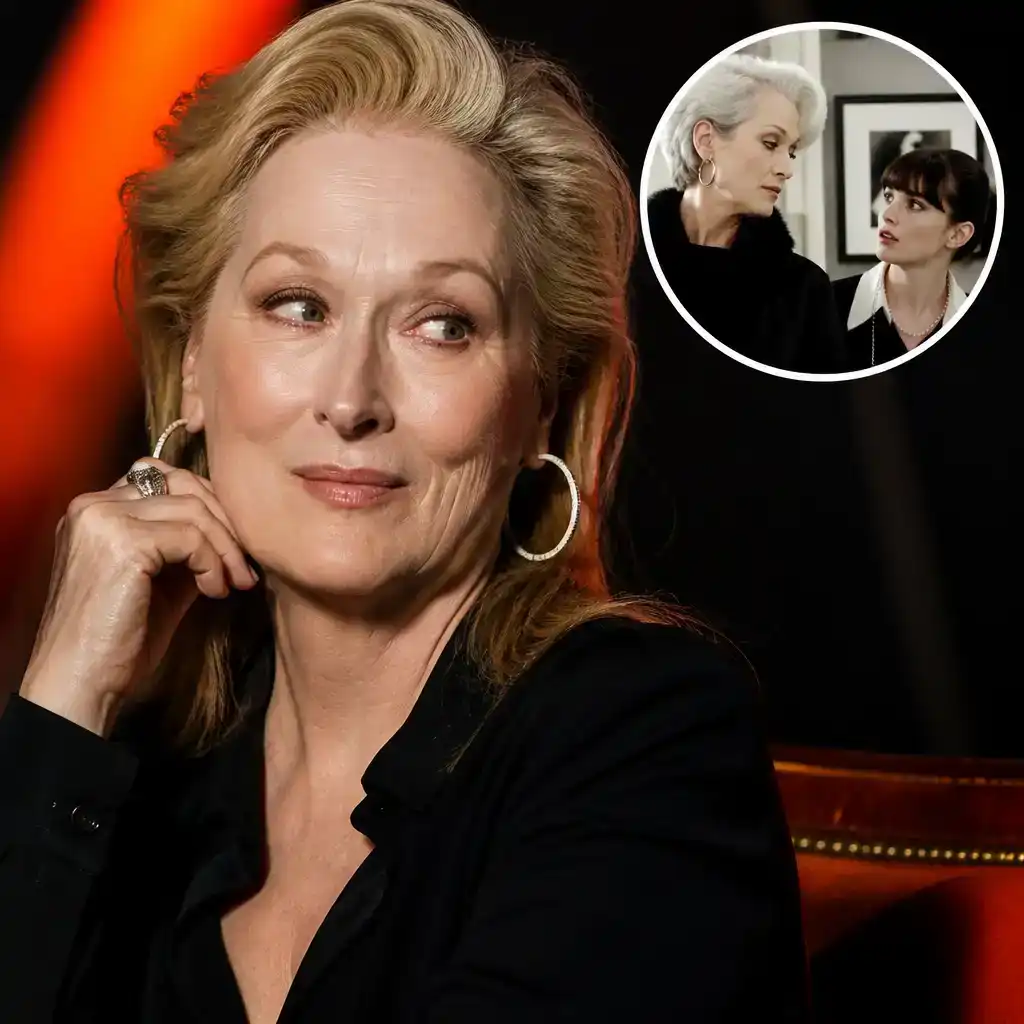
“I knew it was going to be a hit,” Streep said during a “Today” interview alongside her The Devil Wears Prada 2 co-stars Anne Hathaway, Emily Blunt and Stanley Tucci. “I read the script — the script was great. They called me up, and they made an offer, and I said ‘No. I’m not going to do it.’”
Then came the counteroffer.
“I wanted to see if I doubled my ask, and they went right away and said ‘Sure.’”
Streep realised at 56 that she could simply ask for more
For Streep, the story was not merely about negotiating another Hollywood contract. She said she was 56 before fully understanding how much leverage she could exercise over a project that wanted her.
“I’m 56 years [old] — it took me this long to understand that I could do that!” she said.
She also had something that tends to make salary negotiations considerably easier: the willingness to walk away.
“I was sure of it. I was sure it would be a hit. And they needed me, I felt,” Streep said. “And I wanted it, but if they didn’t want to do that, I was okay. Because I’m old — I’m 56, I was ready to retire.”
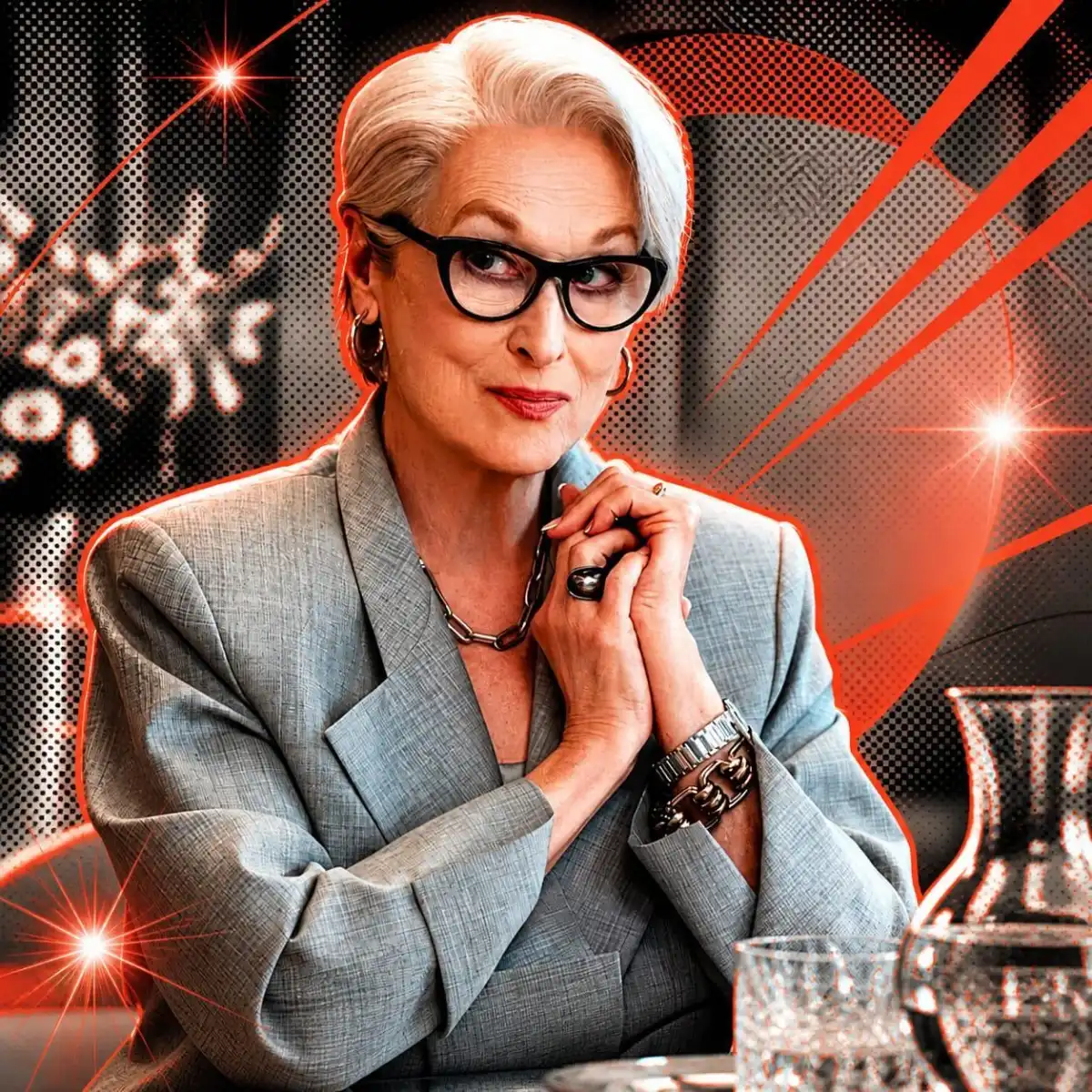
The studio accepted the higher figure, and Streep became Miranda Priestly, the formidable fashion magazine editor whose icy delivery and carefully rationed approval became one of the film’s defining features.
There is a certain symmetry in Streep discovering the value of leverage immediately before playing a character who rarely enters a room without possessing all of it.
The Devil Wears Prada gave Streep another career peak
Whatever thoughts Streep had about retirement did not survive the film for very long.
The Devil Wears Prada became a major new showcase for an actor who was already one of the most acclaimed performers of her generation. Streep received an Academy Award nomination for her performance, while Miranda introduced her to another wave of audiences and reinforced her position as a box-office draw.
The years that followed were unusually busy rather than remotely resembling retirement. Streep went on to star in films including Mamma Mia! and It’s Complicated, extending a commercially successful run well beyond the release of Prada.
She also won her third Academy Award in 2012 for playing former British prime minister Margaret Thatcher in The Iron Lady.
Seen from two decades later, Streep’s confidence in The Devil Wears Prada looks rather well placed. She believed the project had the ingredients of a hit before signing the contract, understood that her presence mattered to the people making it, and adjusted her price accordingly.
Hollywood negotiations do not usually come with the benefit of knowing the future. This one came unusually close.
Miranda Priestly is returning 20 years later
Streep discussed the original negotiation while promoting The Devil Wears Prada 2, which reunites her with Hathaway, Blunt and Tucci roughly 20 years after the first film.
Jenna Bush Hager, who interviewed the cast for “Today,” also has a cameo in the sequel.
The new film gives Streep’s admission an added resonance. A role she was once prepared to abandon over salary — at a point when she says retirement seemed entirely acceptable — has now brought her back to one of the characters most closely associated with the later phase of her career.
The sequel is also notable because it represents Streep’s first live-action movie performance in five years, making Miranda’s return something of a comeback for the actor as well as the character.
A negotiation that changed more than one paycheck
Streep’s account offers an unusually straightforward glimpse at the economics behind a role that, in retrospect, can seem inevitable. Miranda Priestly and Meryl Streep have become so closely linked that it is easy to forget the actor once answered the initial offer with a simple no.
Her reasoning was equally uncomplicated: she thought the film would work, thought the producers needed her, and was prepared to lose the job if they disagreed about what that was worth.
They did not disagree for long.
Twenty years later, Streep is returning to Miranda rather than retirement. The character helped propel another highly productive chapter of her career, and the sequel now turns an old salary gamble into part of the film’s mythology: before Miranda Priestly taught audiences about power, Streep had already practised some of it at the negotiating table.