She also told ERT that “half of his body was sticking out of the plane,” describing an ordeal that passengers said began with a loud noise and was followed by sudden decompression.
Local media previously reported that Karović had kept his seatbelt fastened, which passengers said helped them keep hold of him while his head and shoulders were outside the cabin.
Grković said her 61-year-old husband remains badly shaken and seriously hurt.
“It’s important to me that he’s alive... his hand is particularly badly injured, and he’s got burns. He’s not able to communicate, he doesn’t remember the whole event,” she said.
What Ryanair has confirmed so far
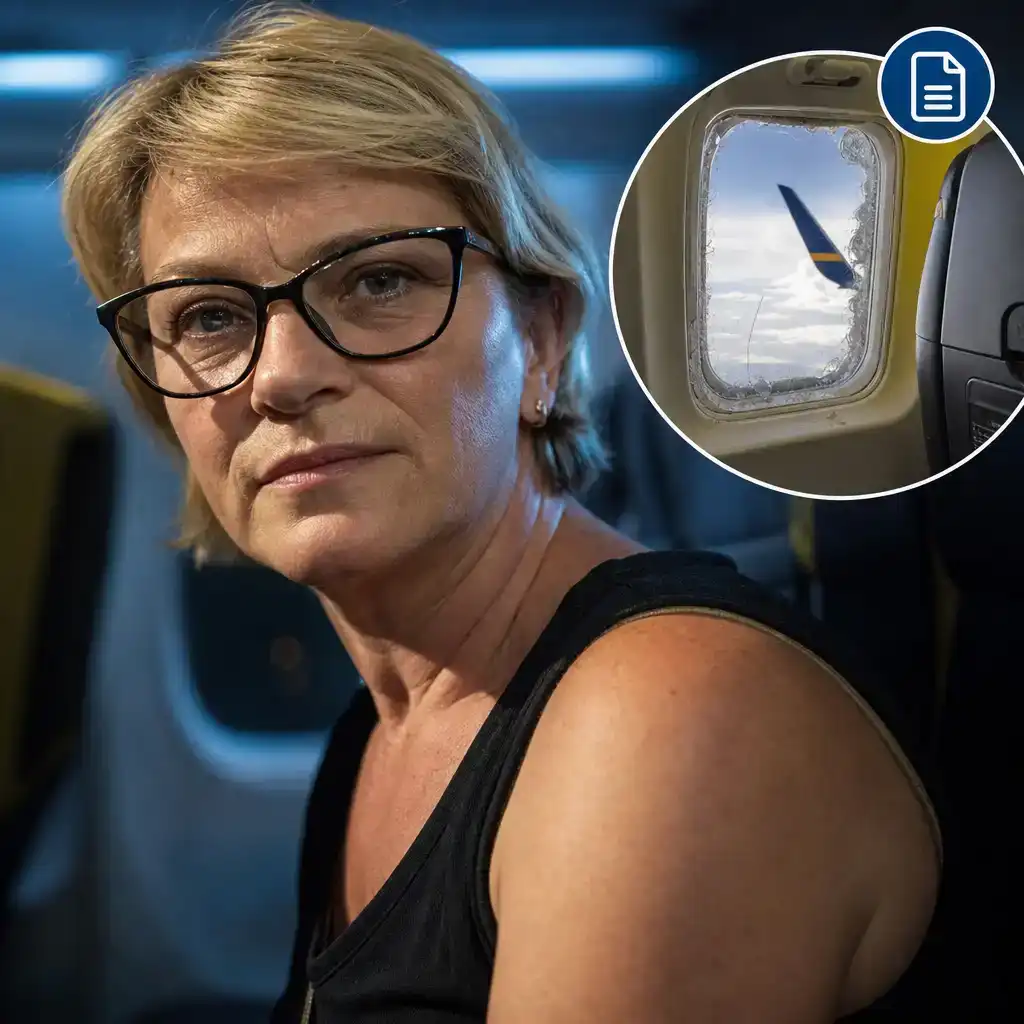
Ryanair said the Friday morning service from Thessaloniki to Memmingen returned “shortly after take-off when a passenger window dislodged in flight.”
“The aircraft landed normally and passengers returned to the terminal. One passenger requested and received medical assistance on the ground in Thessaloniki,” the Irish budget airline said.
Flight tracking data showed the aircraft had been airborne for about 10 minutes before it abruptly descended by roughly 9,000 feet, or 2,700 metres.
The aircraft was operated by Malta Air, Ryanair’s subsidiary. It is believed to have been an 18-year-old Boeing 737-800.
Passengers described a sudden loss of pressure
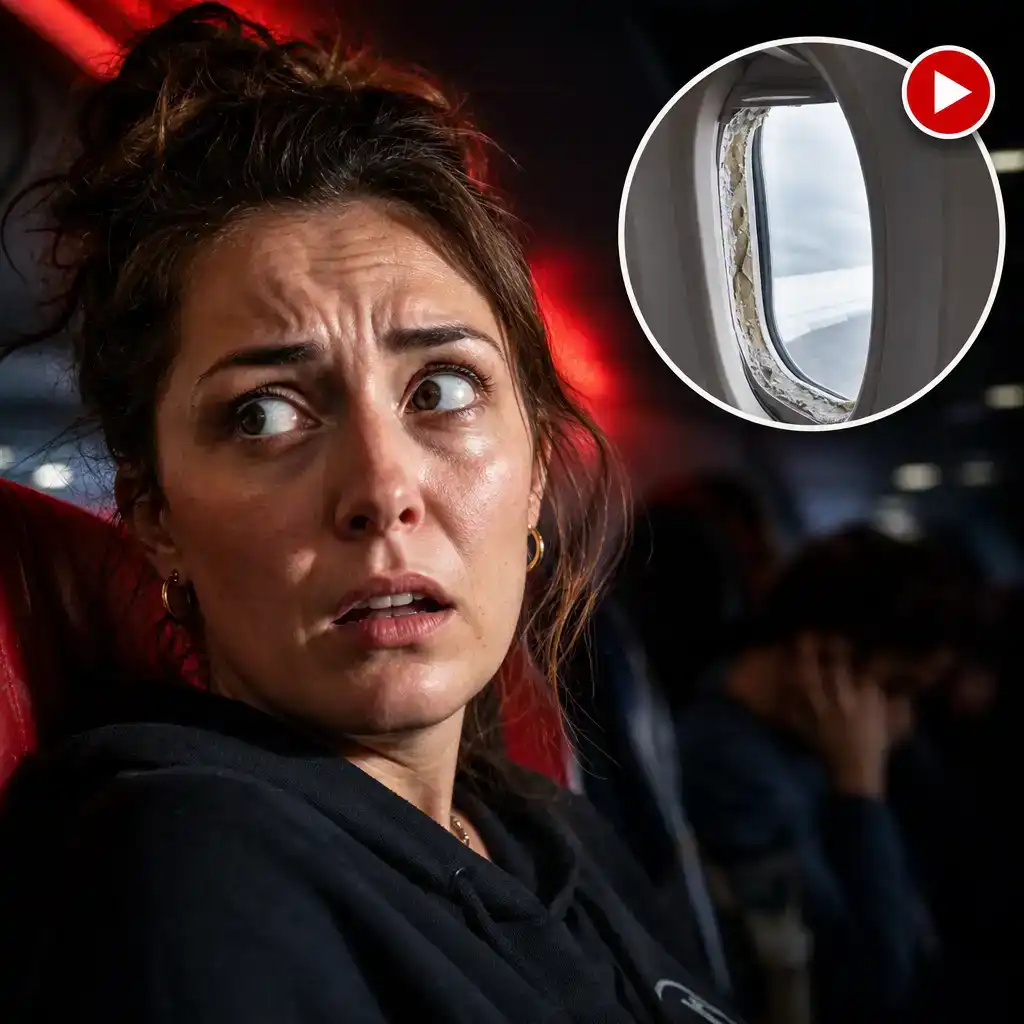
Several passengers told Greek media they heard what sounded like an explosion before the cabin decompression.
“We immediately realised there had been a decompression. There were screams... for a moment I thought someone had accidentally opened the emergency door,” a passenger identified as Christina told Radio Thessaloniki.
Another passenger, Sofia, told the same station: “We thought the plane was going down. The decompression was extreme. It felt like we couldn’t breathe. The man who was injured was bleeding and then lost consciousness several times, most likely because of the lack of oxygen and the shock.”
Those accounts broadly align on the sequence passengers experienced: a loud bang, rapid decompression, visible injury to Karović, and the aircraft returning to Thessaloniki. What caused the failure is still a matter for investigators, not the cabin rumor mill, however energetic that can become at 30,000 feet.
Investigators are examining the cause
Grković said it appeared that part of the plane’s engine had broken off, struck the window next to her husband, and triggered the decompression.
A technical adviser appointed by the family has offered a similar assessment, saying the incident may have begun with a failure in the aircraft’s right engine, sending debris into the cabin window and causing it to shatter. Investigators have not confirmed that assessment.
Fraport Greece, the operator of Thessaloniki airport, said “the incident is currently under investigation by the Hellenic Air and Rail Safety Investigation Authority.”
Because the aircraft is a US-built Boeing 737-800 and the incident happened in North Macedonian airspace, several international aviation bodies are assisting with the inquiry, including:
- Boeing
- The US Federal Aviation Administration
- The European Union Aviation Safety Agency
Karović remains in hospital, according to local media, Whether the window failed on its own, was struck by debris, or was affected by another aircraft system is now the central question for investigators.