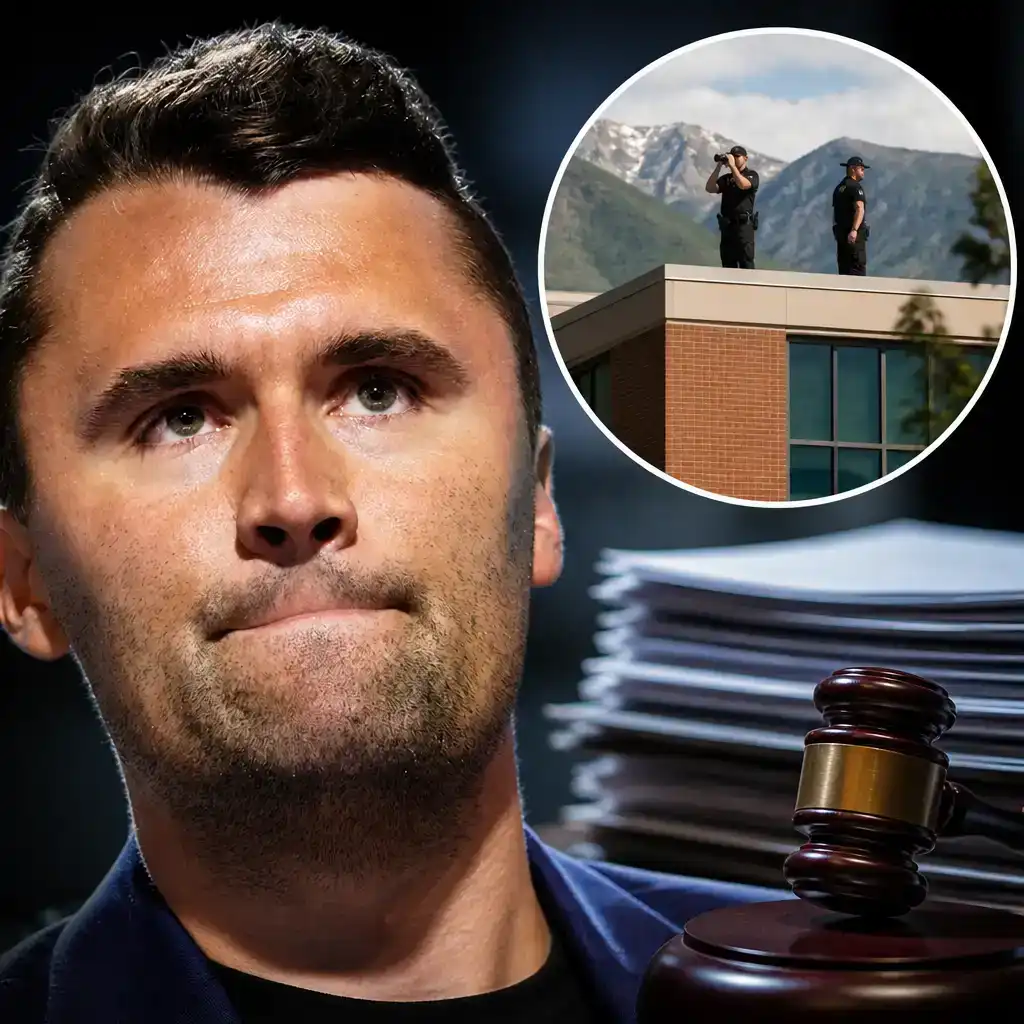
A planned Charlie Kirk family lawsuit alleges Utah Valley University made “stunning failures and reckless decisions” while organizing the September 2025 outdoor event where Kirk was fatally shot.
The family has filed a notice stating its intention to sue, according to documents obtained by TMZ on September 16, 2026. The filing is not yet a civil lawsuit. It preserves the family’s ability to bring one before the statute of limitations expires, an important procedural detail in a case already carrying considerable legal weight.
Potential defendants named in the notice include Utah Valley University, the State of Utah and the Utah Valley University Police Department, among others.
What security failures does the family allege?
The notice claims the university and related parties “created a foreseeable danger to Charlie” by failing to conduct a meaningful risk assessment before the event.
An attorney for the Kirk family said the security decisions left him exposed to a shooter positioned on a campus rooftop.
“Those decisions ultimately rendered Mr. Kirk helpless to the rooftop shooter in an assassination that could have been avoided,” the attorney said.
According to the filing, UVU failed to take reasonable steps commonly used by other universities when hosting controversial speakers. The family argues that better planning, supervision and coordination could have prevented Kirk’s death.
The allegations remain untested in civil court, and filing a notice does not establish that the university or any other potential defendant is legally responsible.
Why is rooftop access central to the claim?
The family says real-time monitoring of campus surveillance footage could have alerted security officers to alleged shooter Tyler Robinson. Video cited in the notice reportedly shows Robinson on the roof of a university building.
The filing also claims Utah Valley University Police Department Chief Jeffrey Long had discussed roof access with a campus group before the event and said his team had it “covered.” The family’s position is fairly direct: officials had identified the risk, said it was being handled and then allegedly failed to handle it.
The notice points to the attempted assassination of President Donald Trump, Kirk’s close friend and political ally, by a rooftop shooter the previous year. It argues that this should have made elevated firing positions an especially obvious security concern, rather than an obscure possibility discovered after the fact.
What happens next in the criminal case?
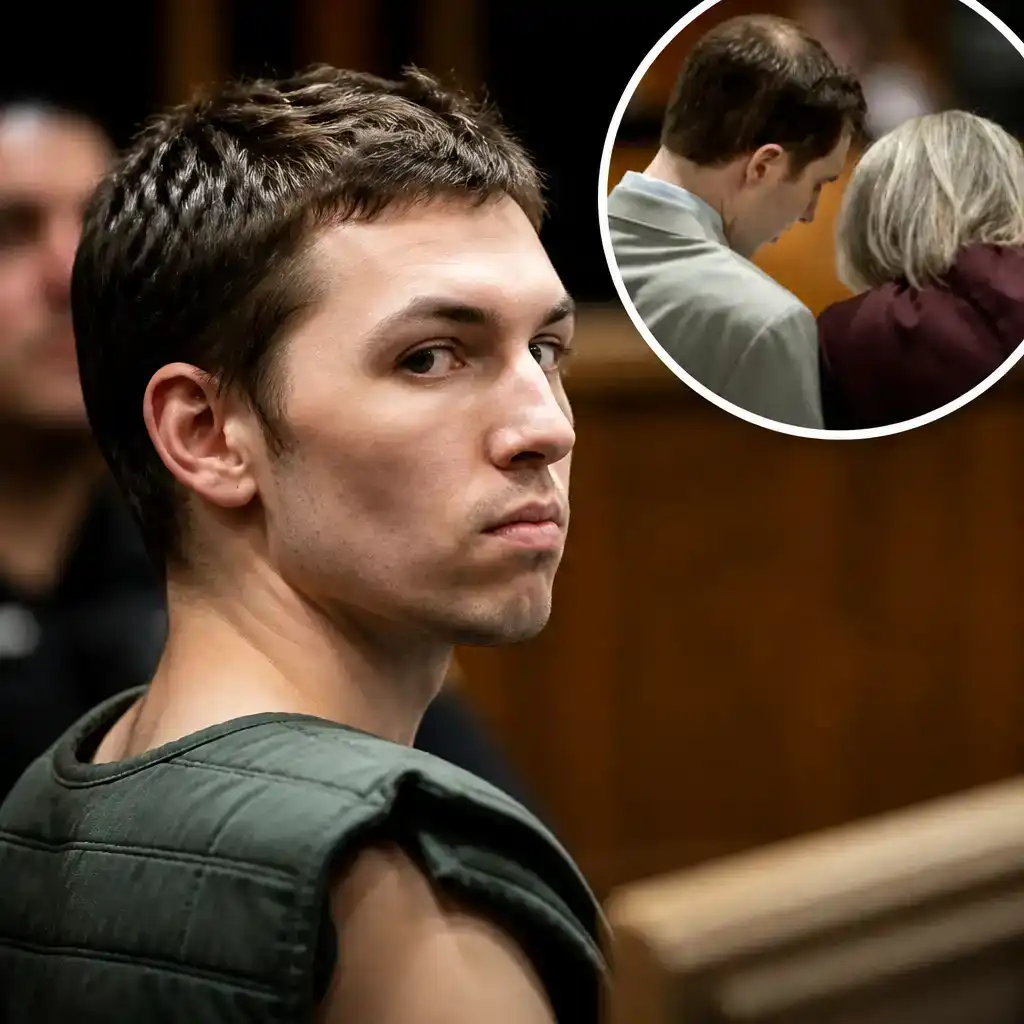
The potential civil action is separate from the prosecution of Robinson, who is accused of fatally shooting Kirk.
On September 1, 2026, District Judge Tony Graf Jr. ruled that Robinson will stand trial. That proceeding will determine his criminal liability, while any future lawsuit would address whether UVU and other parties contributed to the conditions that allowed the shooting to happen.
For now, Kirk’s family has secured the option to pursue those claims. The notice makes clear that the university’s event planning, camera monitoring and rooftop security would sit at the center of any civil case.