The Nicolas Cage name change was not just a Hollywood branding exercise, at least according to Nicolas Cage. The actor, born Nicolas Kim Coppola, says the name he chose early in his career is now the one he uses everywhere, not just when someone is putting it on a poster.
"I am Nick Cage," he told Variety in a May 27 interview, after being asked whether it felt strange to be known by a stage name for so long. "I changed my name legally last year. I'm Nick Cage in life, and I'm Nick Cage on camera."
For an actor whose family name comes with a very large film-history shadow attached, The point mattered.
Why Nicolas Cage wanted distance from Coppola
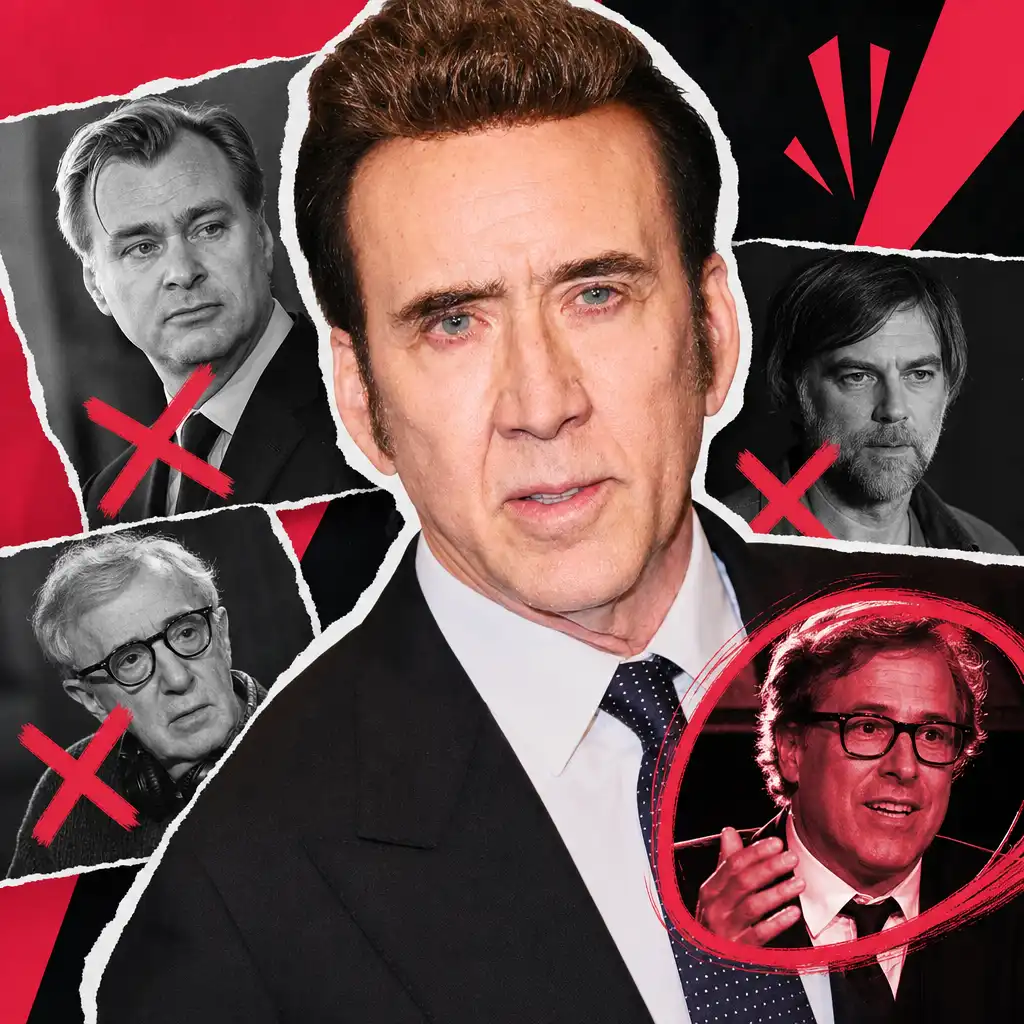
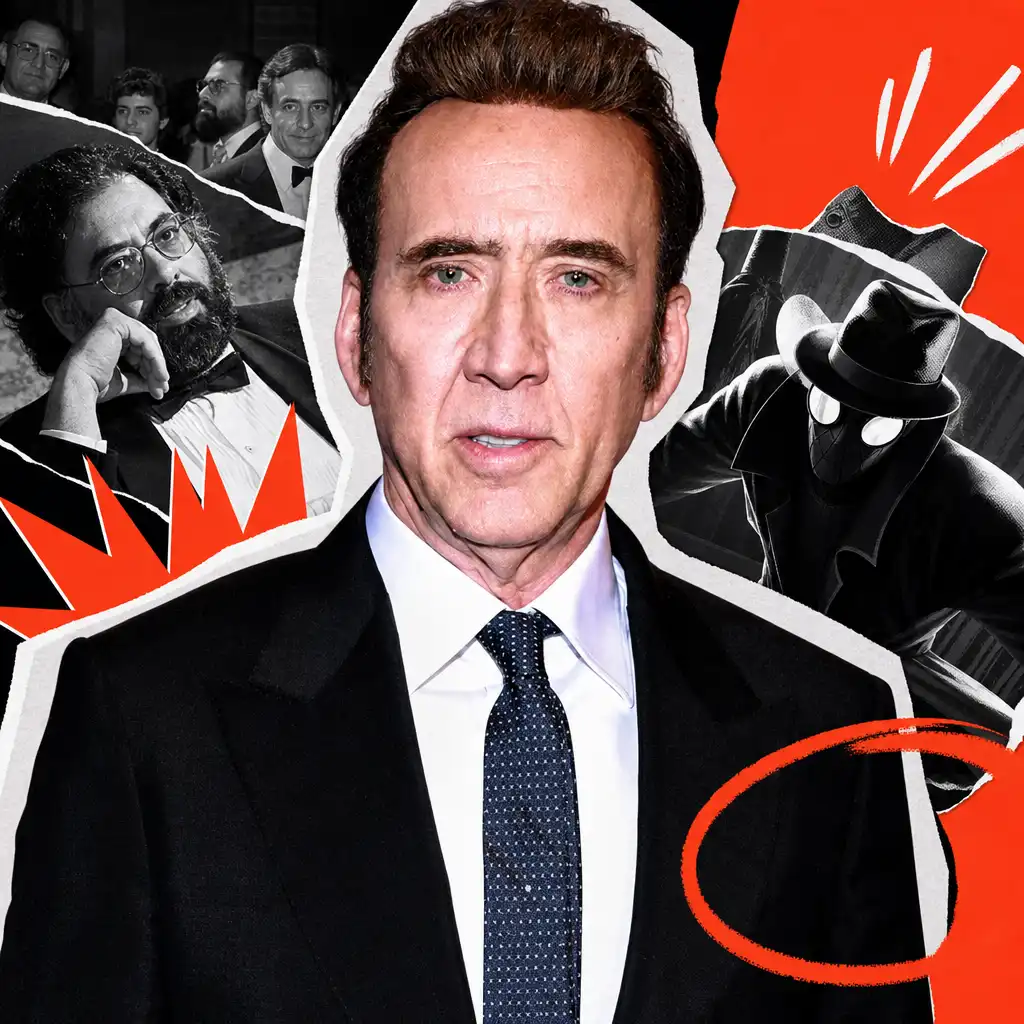
Cage is part of the Coppola family, one of the most recognizable families in American cinema. His uncle is Francis Ford Coppola, the director of The Godfather films and Apocalypse Now. That connection invited plenty of assumptions, flattering or not.
Cage said he wanted his work to be judged on its own terms, rather than treated as an extension of someone else’s legacy.
"'Tis better to be the patriarch of my own little family than the clown cousin on the margins of someone else’s," he said, "so I decided I’m going to bring it on and be 'Cage.'"
It is a blunt explanation, and a very Cage one: theatrical, self-aware, and somehow still practical. Hollywood has never been shy about family connections, but Cage’s point is simple enough. He did not want every role to arrive with a built-in footnote.
Where the name Cage came from
The actor did not choose the surname at random. He said the name came from two very different sources, which feels appropriate for a career that has included both blockbuster treasure hunts and some deeply strange artistic detours.
His inspirations included:
- Luke Cage, the Marvel superhero whose name caught his attention in comics
- John Cage, the American experimental composer often discussed in the avant-garde circles Cage grew up around
"'Cage' is a name that I liked coming across in the comics, I just thought he had a cool name, and I grew up in a very avant-garde, artsy family," he explained, "and there was talk about John Cage and the experimental compositions that he did."
He said he was looking for something concise and memorable.
"I was looking for something like 'James Dean,'" Cage continued. "I was looking for something short and sweet."
The result did exactly what a good screen name should. It sounded clean, looked strong in credits, and avoided turning every audition into a family tree presentation.
Why he kept Nicolas, even with the spelling issue
Cage changed the surname, but he kept his first name. That part, he said, came from his father, August Coppola.
"I thought, well, I’ll keep the name 'Nicolas' because my father named me Nicolas, with French spelling, which has always frustrated me, because everyone adds an 'h,'" he said. "I don’t know why he gave me the French spelling! But he did."
So the first name stayed, typo risk and all. The surname, however, became a line of separation. For Cage, that line mattered emotionally and professionally. It allowed him to carry something from his father while stepping away from the public expectations attached to Coppola.
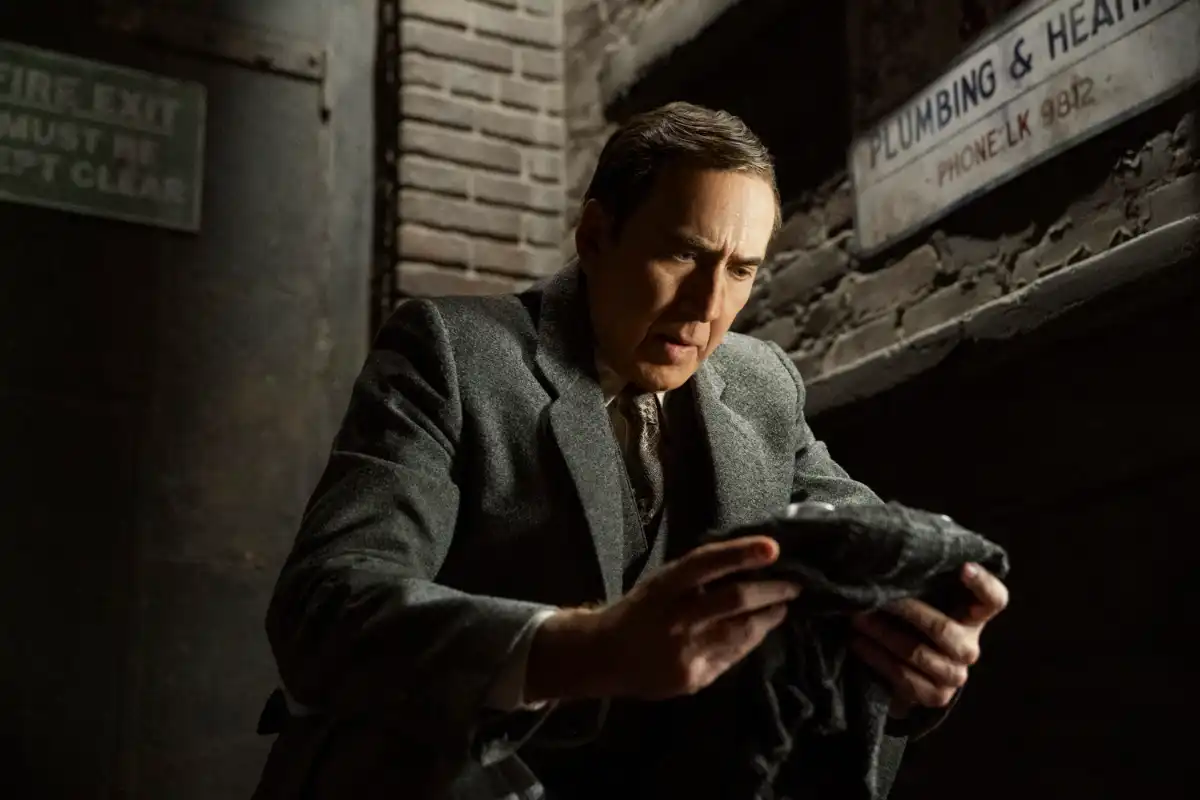
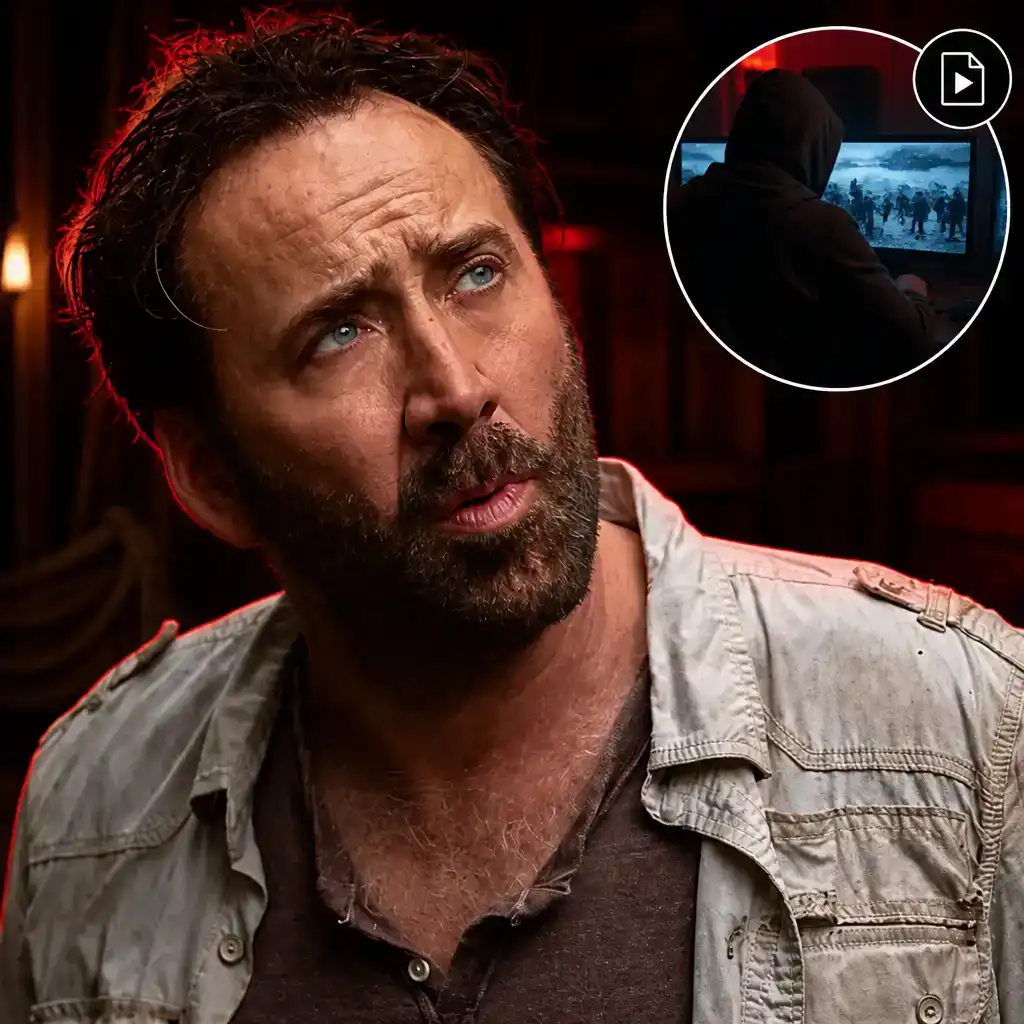
That balance has followed him across a long and varied career, from National Treasure to Face/Off, Longlegs, and his upcoming work in Spider-Noir.
The joke that pushed him to make the change
Before he became Nicolas Cage, he was credited as Nicolas Coppola early in his career, including in 1982’s Fast Times at Ridgemont High. But the name quickly became a distraction.
In a 2022 interview with WIRED, Cage said people repeatedly made jokes linking him to Francis Ford Coppola’s Apocalypse Now. Specifically, they riffed on Robert Duvall’s famous line, "I love the smell of napalm in the morning."
"People would not stop saying things like, 'I love the smell of Nicolas in the morning' because of Apocalypse Now," Cage said. "And it made it hard to work and I said, 'I don’t need this.' So, I changed it to Cage."
That is one way to discover your professional name needs urgent repairs: when strangers keep turning your existence into a quote from your uncle’s movie.
A stage name that became the real one
Many actors change their names for clarity, privacy, or because another performer already claimed the original. Cage’s case has always carried an extra layer because the name he left behind was already famous.
What began as a way to escape assumptions eventually became something more settled. By making the change legal, Cage confirmed what audiences had accepted decades ago: Nicolas Cage was never just a disguise or a brand mask. It is the name of the actor who built the career.
And after all those years of correcting the spelling of Nicolas, at least one part of the name now arrives exactly as intended.