Nicolas Cage says Christopher Nolan is among the filmmakers who stopped calling after Cage turned down one of their projects, which is one of the more polite ways Hollywood can make a grudge look like scheduling.
In a new interview with The New York Times, the National Treasure and Longlegs actor reflected on saying no to major directors earlier in his career, and how those decisions have sometimes stayed in the room long after the meeting ended.
Why Cage says some directors do not call back
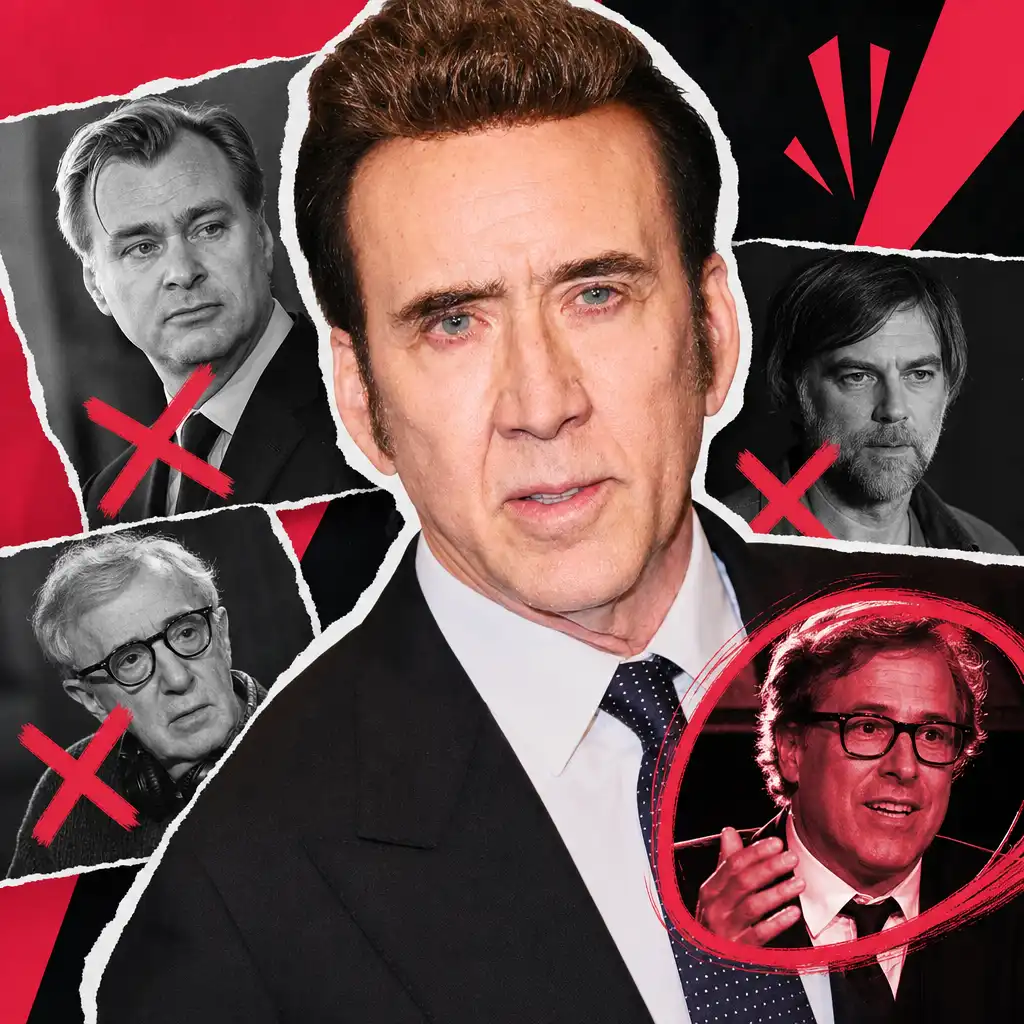
The subject came up after Cage mentioned that he once turned down a “good movie” from David O. Russell, the director of American Hustle. Cage described that offer as coming “a million years ago,” but said Russell has been unusually willing to circle back.
Cage is now set to star in Russell’s upcoming biopic Madden, centered on football icon John Madden. According to Cage, that kind of second invitation is not the norm.
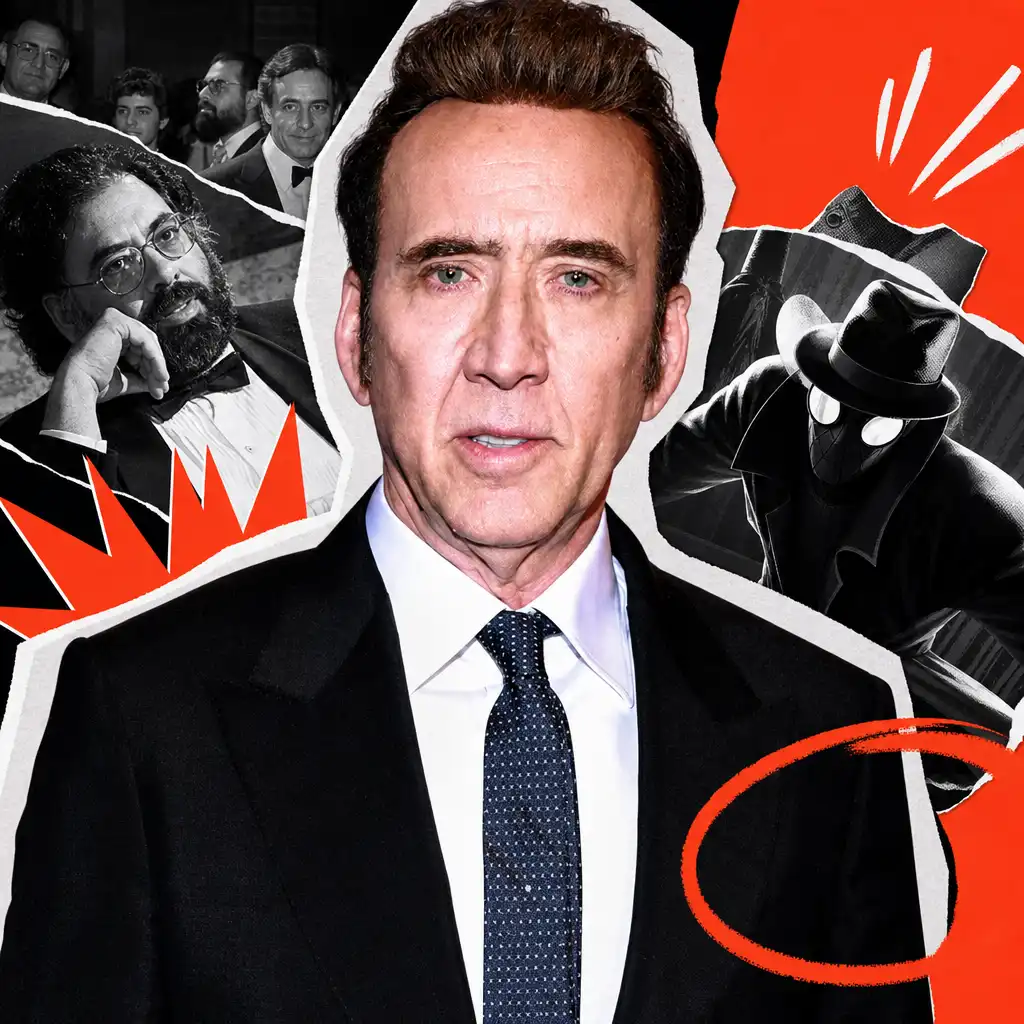
“Most of them, they get their feelings hurt and don’t call you back,” Cage said. “It’s happened a million times to me. It’s happened with Christopher Nolan, it’s happened with Woody Allen, it’s happened with Paul Thomas Anderson. They don’t call me back.”
That is a blunt read from an actor whose career has bounced between studio adventures, cult favorites, indie experiments, and recent genre work. It also says something quietly practical about Hollywood relationships: a “no” can be remembered for a very long time.
Which Christopher Nolan film did Nicolas Cage reject?
Cage said the Nolan project he passed on was Insomnia, the 2002 psychological thriller that starred Al Pacino, Robin Williams, and Hilary Swank.
Nolan, now also attached to The Odyssey, has one of modern filmmaking’s most closely watched careers, so the idea of Cage and Nolan nearly crossing paths is enough to make film fans pause for a moment and recast the movie in their heads.
Cage did not go into detail about why Insomnia did not work out for him. His point was less about that single role and more about the pattern he says followed afterward. In his telling, some filmmakers do not forget being turned down, even by an actor making the best decision he can at the time.
What happened with Paul Thomas Anderson?
Cage also mentioned Paul Thomas Anderson, who, as the interview noted, had just won Best Picture and Best Director at the 98th Academy Awards for One Battle After Another.
The actor did not identify the specific project he discussed with Anderson, only describing it as “very early.” He said Anderson had shown him a short film featuring Philip Baker Hall, and that they had considered working together before the plan fell apart.
“He’d shown me a short film with Philip Baker Hall – and we were going to do something and it didn’t work out,” Cage said.
Cage also named Woody Allen among the directors who, in his view, did not return after a missed collaboration. He did not offer further details about that project in the interview.
Why David O. Russell stands out to Cage
Russell, Cage said, handled things differently. After Cage declined the earlier offer, the director still came back to him years later for Madden. Cage clearly took that as more than another job offer.
“Anyway, David did call me,” Cage said, “and it showed a lot of class that he would call me back and invite me again, and I didn’t want to say no to him again because I have great respect for his talent. And it was a beautiful experience. I enjoyed working with David.”
Madden is currently set to premiere this Thanksgiving. For Cage, the film appears to carry an extra layer of meaning because it represents a professional bridge that survived one rejected offer. In Hollywood, apparently, that qualifies as emotional maturity with a production budget.
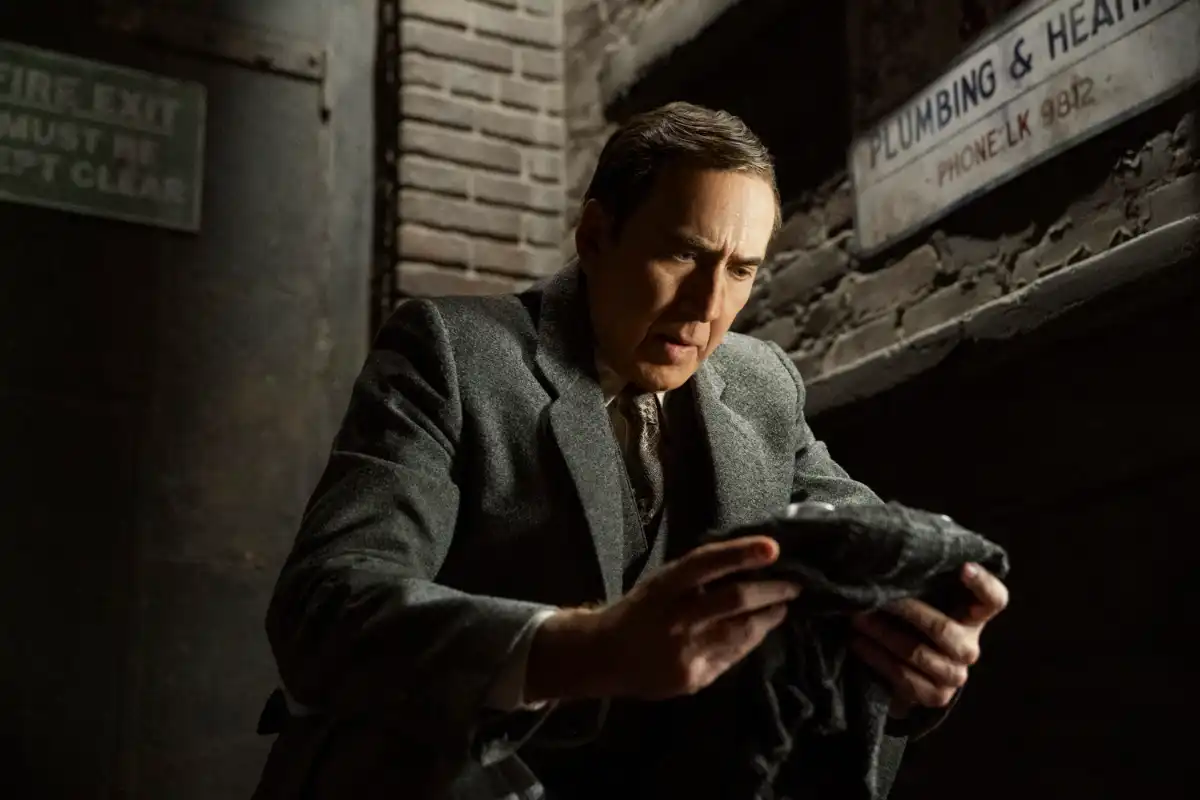
Cage is also moving into Spider-Noir
Beyond Madden, Cage is preparing to lead Prime Video’s upcoming live-action superhero series Spider-Noir.
The series is set to arrive this week and will see Cage play a version of the character he has described with a typically specific mix of influences: “70 percent Humphrey Bogart, and 30 percent Bugs Bunny.”
That combination tracks with Cage’s recent lane, where he often balances old-school movie-star presence with something stranger and more elastic. Whether Nolan ever calls back or not, Cage remains very much booked, which is probably the cleanest reply available.