The Nepal floods arrived just as the country’s tourism industry was preparing for its busiest months. Although many popular destinations escaped the physical destruction, cancellations spread well beyond the disaster zone, leaving drivers, hotels, trekking companies and roadside sellers with sharply reduced income.
Pushpraj Rimal, a 42-year-old tour planner and taxi driver in Kathmandu, normally expects business to surge from September. Instead, tourists began cancelling after catastrophic flooding killed more than 1,450 people and destroyed major highways.
“It is still a lockdown kind of situation,” Rimal said nearly a month after the disaster.
He works on commission for hotels and trekking companies in Kathmandu and Pokhara, the lakeside city beneath the Annapurna range that serves as a base for Himalayan trekkers. Rimal speaks Nepali and Hindi and also earns money driving tourists, so fewer visitors have removed several sources of income at once. The floods did not need to reach his home to reach his finances.
Why the peak tourism season stalled
Nepal’s main tourist season begins after the monsoon ends in August, when clearer skies draw trekkers and other international visitors. Tourism accounts for nearly 8 percent of the country’s gross domestic product and supports more than one million jobs.
More than 1.15 million tourists visited Nepal last year. Nearly one-third arrived during the peak September-to-November period.
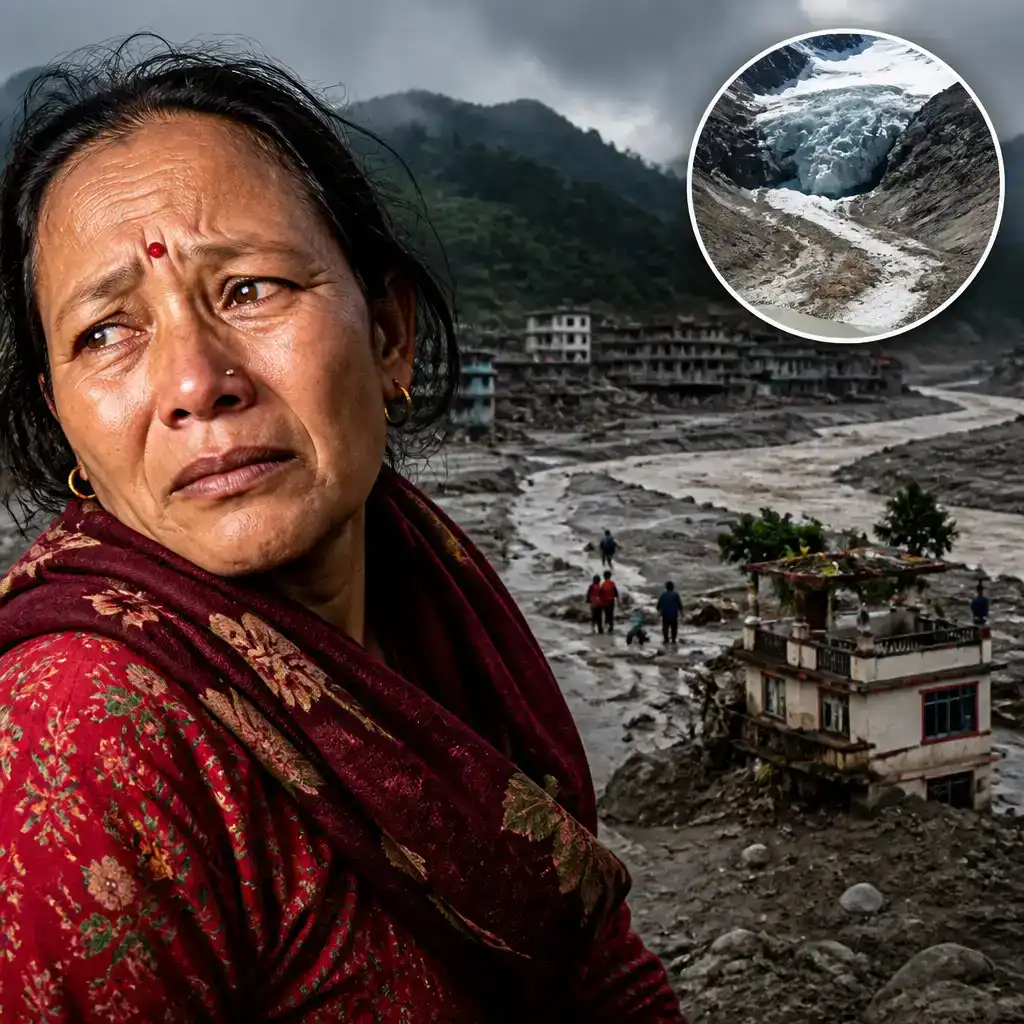
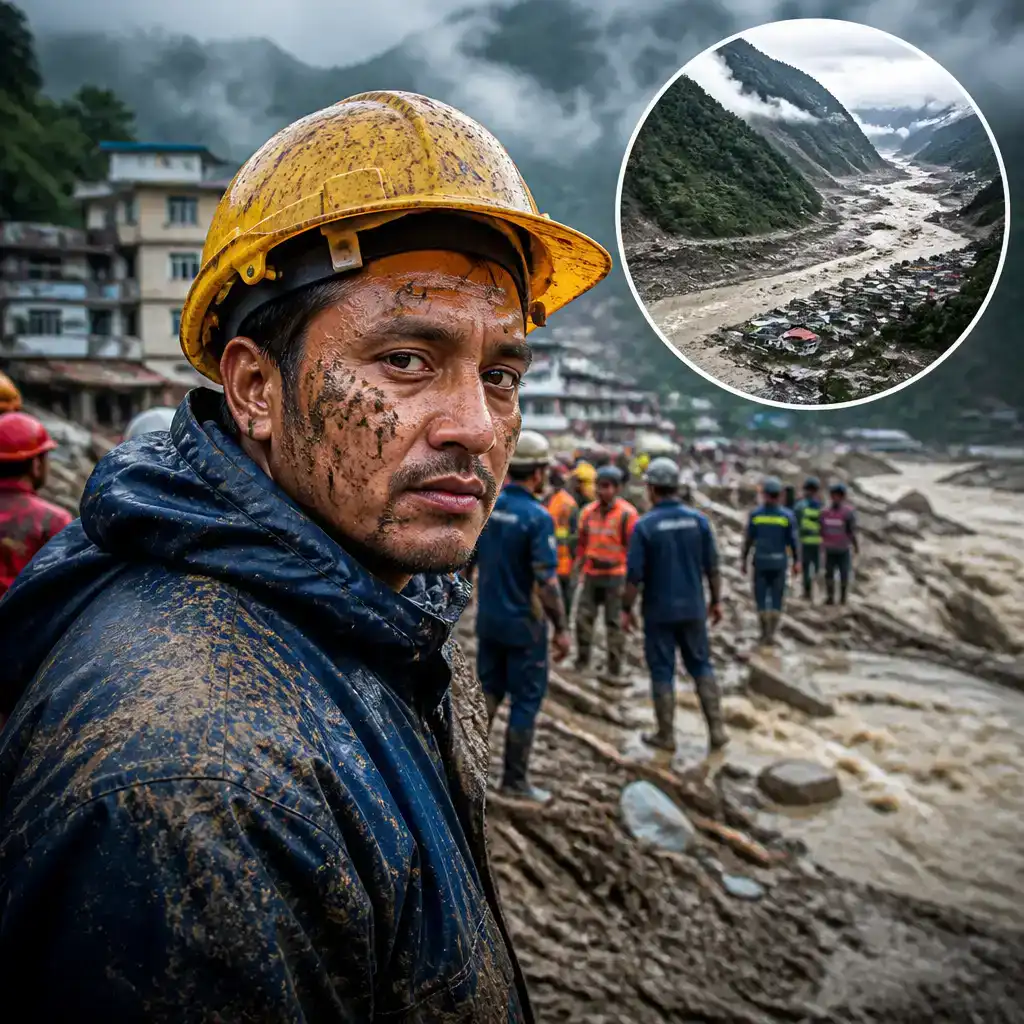
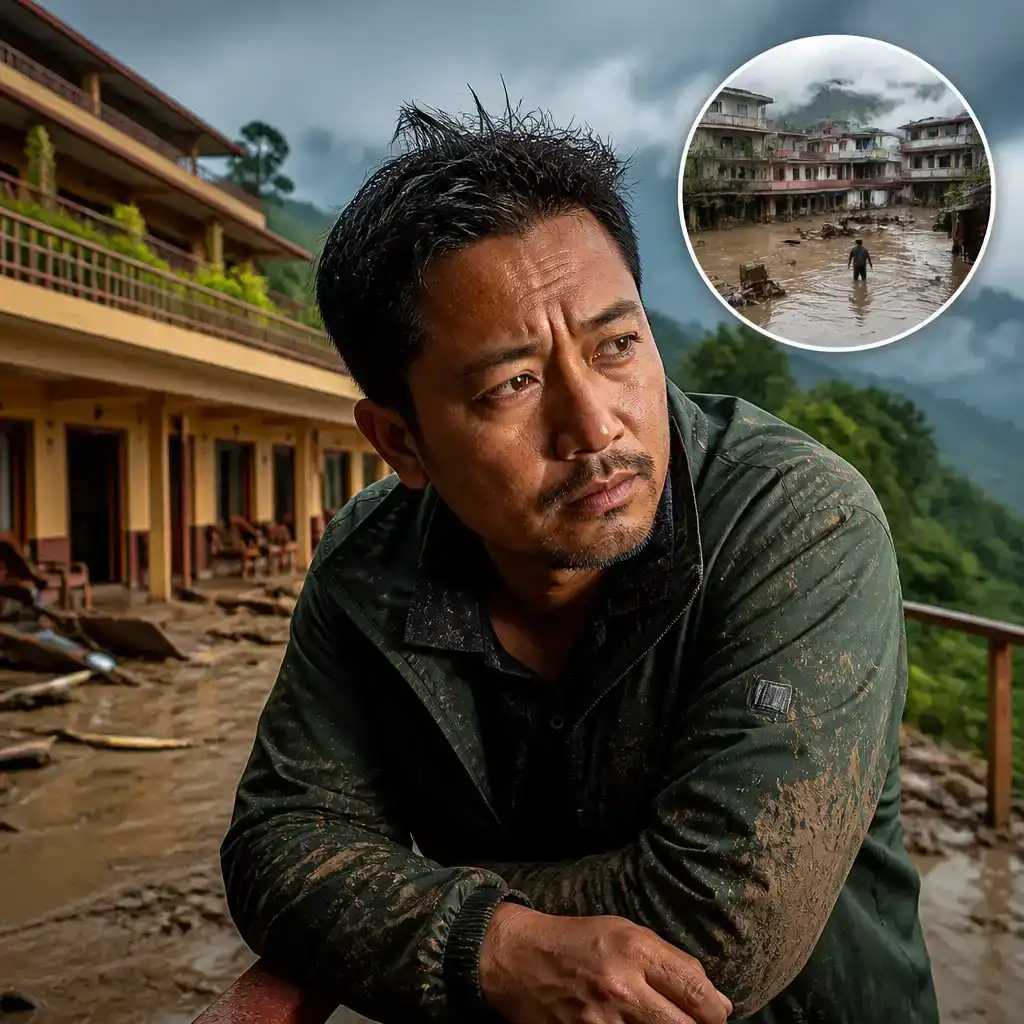
This year’s flooding was triggered by a glacial mountain collapse near the Nepal-Tibet border in the north. The resulting destruction damaged roads and bridges, but its economic effects spread into destinations that remained safe and operational.
Rimal rented two cars for two months in anticipation of the seasonal rush. He said he completed only about one-quarter of his usual business because most of his expected customers cancelled.
“I will get no commissions from the hotels or trek organisers, nor has the taxi business worked well,” he said. “I am now waiting for the season to end.”
The losses have also affected his family. Rimal had promised his children, 14-year-old Hema and 12-year-old Rahul, a tablet for Dussain, the major Hindu festival usually held in October. He now expects to break that promise for the first time.
Road closures cut off small roadside businesses
Seeta Nepali, 61, and her husband, Ramakant Nepali, 68, sell homemade buttermilk beside the highway linking Kathmandu with Pokhara and Chitwan. They also sell cottage cheese in their neighbourhood and depend on daily sales for basic expenses.
Their town was not destroyed, but the blocked highway kept customers away for 11 days. When the road reopened, authorities initially allowed only government vehicles through.
“Our town may not have been destroyed by the floods, but the floods reached us by way of no buyers,” Seeta said.
Some tourists have since returned, but sales remain below half their normal level. Overall, the couple is earning roughly one-quarter of what it would usually make during the season.
The reduction has changed what they can afford to eat. Seeta said she and her husband have been having only flattened rice and buttermilk for lunch because they cannot buy enough vegetables.
Each day, she returns to the roadside with bottles to sell, hoping more visitors will appear. So far, the traffic has offered little reason for optimism.
Travellers cancel or rewrite their itineraries
Alexa, a British traveller who uses one name, had planned to visit Pokhara and Dhulikhel with five friends. Dhulikhel, a hill town near Kathmandu, is known for cultural visits and homestays.
The group had booked two airport taxis, hotels, trekking trips and camps in July. After learning about the disaster on August 26, they cancelled everything.
A Japanese traveller, who requested anonymity, said damaged roads and bridges were not his main concern. His family could have used domestic flights, but reports of bodies stranded after the flooding convinced him the trip could pose health and safety risks.
Other visitors revised their plans rather than abandoning Nepal entirely. Tapas Kumar, travelling from India with his wife and friends, cancelled the Pokhara portion of a seven-day trip after his son in the United States urged them not to go. The group instead extended its stay in Kathmandu.
Many travellers also consulted embassy guidance before making decisions. That caution is understandable, though for businesses in unaffected areas, a warning about particular districts quickly became something closer to a nationwide rejection.
Are unaffected parts of Nepal safe to visit?
Surendra Thapa, chargé d’affaires at the Embassy of India in Nepal, said some tourists misunderstood foreign embassy notices and treated local safety restrictions as warnings against visiting the entire country.
“We want people to know that Nepal is open and safe. Only some parts need to be avoided,” Thapa said.
Other diplomatic missions offered more cautious assessments. On September 11, the British embassy warned that flooding had left many areas unstable and made safe travel within Nepal difficult to guarantee. The United States embassy issued similar guidance, identifying several unsafe areas and no-travel zones.
Those advisories reflected real hazards, particularly where roads, bridges and slopes remained unstable. Yet tourism workers said the broad reaction also harmed places that had not flooded and could still receive visitors.
For travellers, the distinction requires checking current road conditions, local restrictions and destination-specific advice. For a small business waiting for customers, however, nuance is not especially profitable. A cancelled booking pays the same amount whether it resulted from an impassable road or an overly broad reading of an advisory: nothing.
Chitwan resorts face mass cancellations
Pramila Chhetri, who works at a resort in Chitwan about 150km, or 90 miles, from Kathmandu’s airport, said the property had prepared for a fully booked September. Rooms were furnished with upgraded facilities, extra staff were hired and supplies were purchased in advance.
By the 23rd day of the month, those preparations had become losses. Chhetri said 80 percent of the resort’s reservations were cancelled within hours of the floods after the main highway to Chitwan was damaged and remained closed for nearly two weeks.
She believes many travellers interpreted warnings about affected areas as advice to avoid Nepal altogether.
“We really wish people across the globe would understand that it is not all of Nepal that is facing the floods,” Chhetri said, adding that businesses depend heavily on visitors during September and October. “Even parts unaffected by the floods are bracing for a disastrous season.”
One group scheduled to arrive in early September postponed its stay until October rather than cancelling. The resort is holding on to that reservation and the possibility that conditions will improve.
Officials are still assessing the full economic damage from the decline in tourism. For workers such as Rimal, Seeta and Ramakant, the impact is already measurable in unused cars, unsold buttermilk and meals stripped down to what remains affordable.