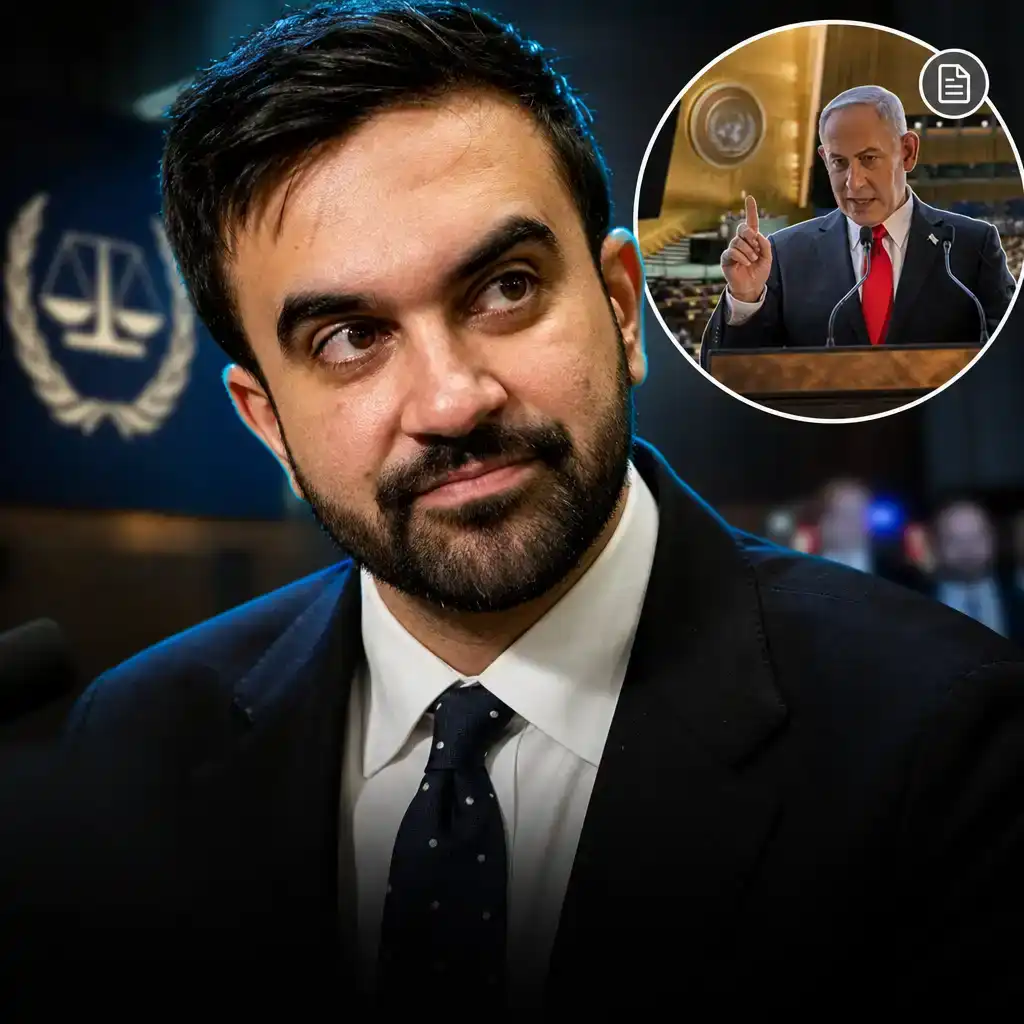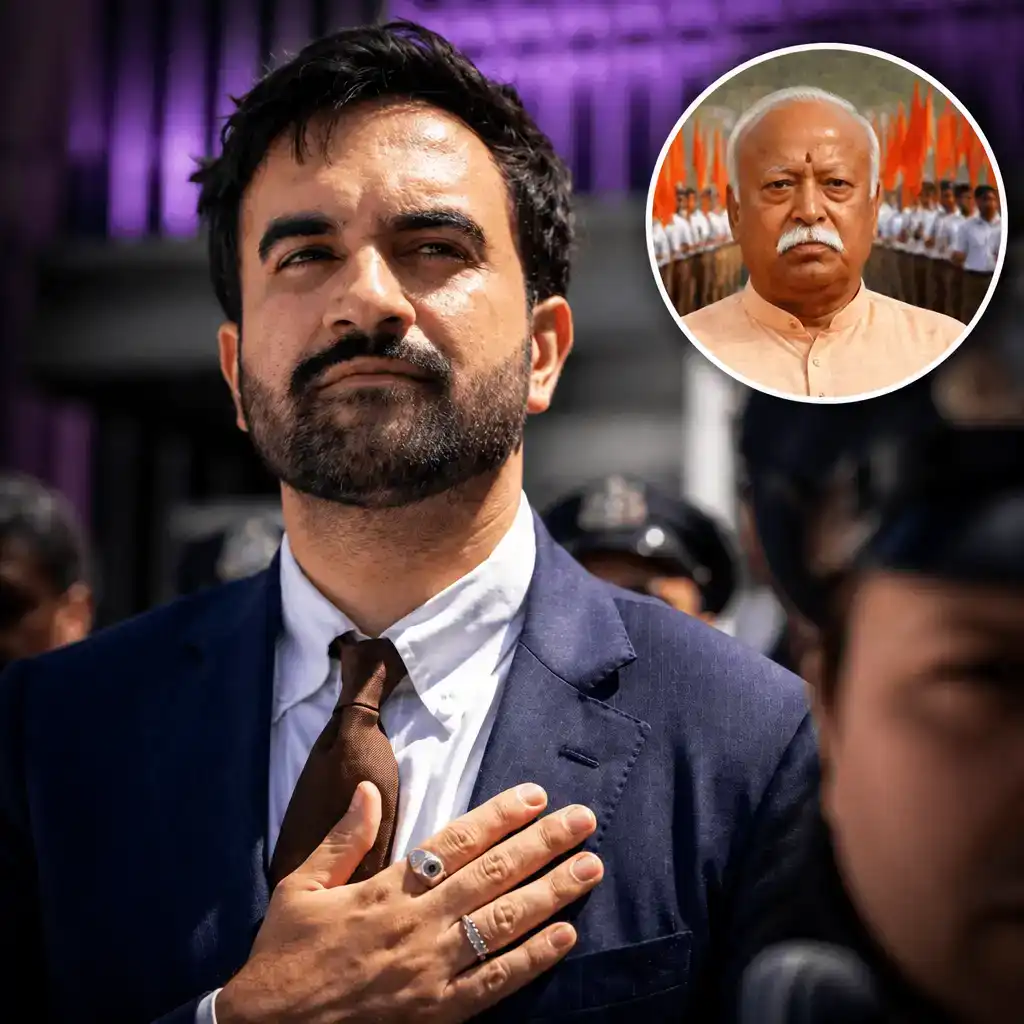
New York City Mayor Zohran Mamdani says he opposes a Hindu nationalist event scheduled for August 29 at Madison Square Garden. The gathering will feature Mohan Bhagwat, leader of the Rashtriya Swayamsevak Sangh, or RSS, an organization closely tied to India’s ruling Bharatiya Janata Party. Mamdani described the group’s outlook as “exclusionary,” but acknowledged an inconvenient detail: he does not know whether the city has jurisdiction to cancel a privately booked event.
That leaves City Hall firmly opposed in principle, while Madison Square Garden’s calendar remains unchanged in practice.
What is planned at Madison Square Garden?
The “Universal Oneness Celebration” will mark the RSS’s centenary. Organizers expect more than 5,000 Indian Americans to attend, according to The Economic Times, which reported that 135 Hindu-American organizations support the program.
Transportation is being arranged from states across the Northeast and Mid-Atlantic, suggesting this is not intended to be a small local gathering. Bhagwat arrived in the United States on August 25, The Times of India reported.
Bhagwat has led the RSS since 2009. The New York appearance will be his first visit to the United States since the 2018 World Hindu Congress. He is also expected to attend two private events in New York before traveling to Canada.
The RSS serves as the ideological mentor of the Bharatiya Janata Party, according to Religion News Service. Indian Prime Minister Narendra Modi and other senior BJP figures emerged from the organization, giving Bhagwat’s visit significance well beyond a commemorative anniversary program.
Why are campaigners demanding cancellation?
An interfaith coalition organized by Hindus for Human Rights has called for Madison Square Garden to cancel the gathering. Critics accuse the RSS of promoting a majoritarian Hindu political project that marginalizes religious minorities and lower-caste communities.
Former New York City Comptroller and congressional nominee Brad Lander offered a particularly direct response.
“There is no room for Mohan Bhagwat and RSS hatred in our city,” Lander said, accusing the organization of encouraging hostility toward Muslims, Sikhs, Dalits and Christians.
Mohammed Jawad, president of the Indian American Muslim Council, said Bhagwat “does not represent Indian Americans.” His organization says more than 1,000 people have asked Secretary of State Marco Rubio to deny or revoke Bhagwat’s visa.
Gene Mills, a commissioner on the U.S. Commission on International Religious Freedom, urged American officials to withhold diplomatic courtesies from Bhagwat and consider sanctions. Those demands go considerably further than Mamdani’s public opposition, which has not yet produced any announced government action.
Organizers reject the criticism
American Hindus for Engagement and Dialogue, the event’s organizer, presents the program as a celebration of unity and mutual respect. Its stated theme includes the idea that “the world is one family.” A gathering advertised around universal harmony has, with grim predictability, failed to generate universal harmony.
HinduPACT founder Ajay Shah accused Bhagwat’s opponents and the U.S. Commission on International Religious Freedom of promoting an “anti-Hindu narrative.” That response reflects a wider dispute within Indian-American and Hindu-American communities over how criticism of Hindutva should be framed.
Opponents argue that challenging the RSS and its political ideology protects Muslims, Christians, Sikhs, Dalits and other communities from exclusion. Supporters contend that broad attacks on Hindu organizations can stigmatize Hindu political participation itself.
Those positions are not interchangeable, and treating either community as politically uniform would miss the central conflict. The argument is taking place among Indian Americans as well as between advocacy groups, officials and organizers.
Can New York City stop the event?
Mamdani’s qualification about jurisdiction matters. The event is a private booking at Madison Square Garden, and the mayor has not claimed that City Hall possesses a clear legal mechanism to cancel it.
His statement therefore draws a line between political condemnation and government authority. A mayor can oppose a group, endorse public criticism and make the city’s position plain. Whether municipal officials can prevent a private venue from hosting a lawful gathering is a separate question, and Mamdani has not said they can.
No cancellation had been announced as of August 26. The August 29 program remained scheduled, with Bhagwat already in the United States and organizers preparing for thousands of attendees.
For now, the mayor’s intervention adds political pressure rather than a legal barrier. The RSS celebration is still proceeding, its opponents are still demanding action, and Madison Square Garden remains the unusually large stage for a dispute already dividing activists, officials and parts of the Indian-American community.