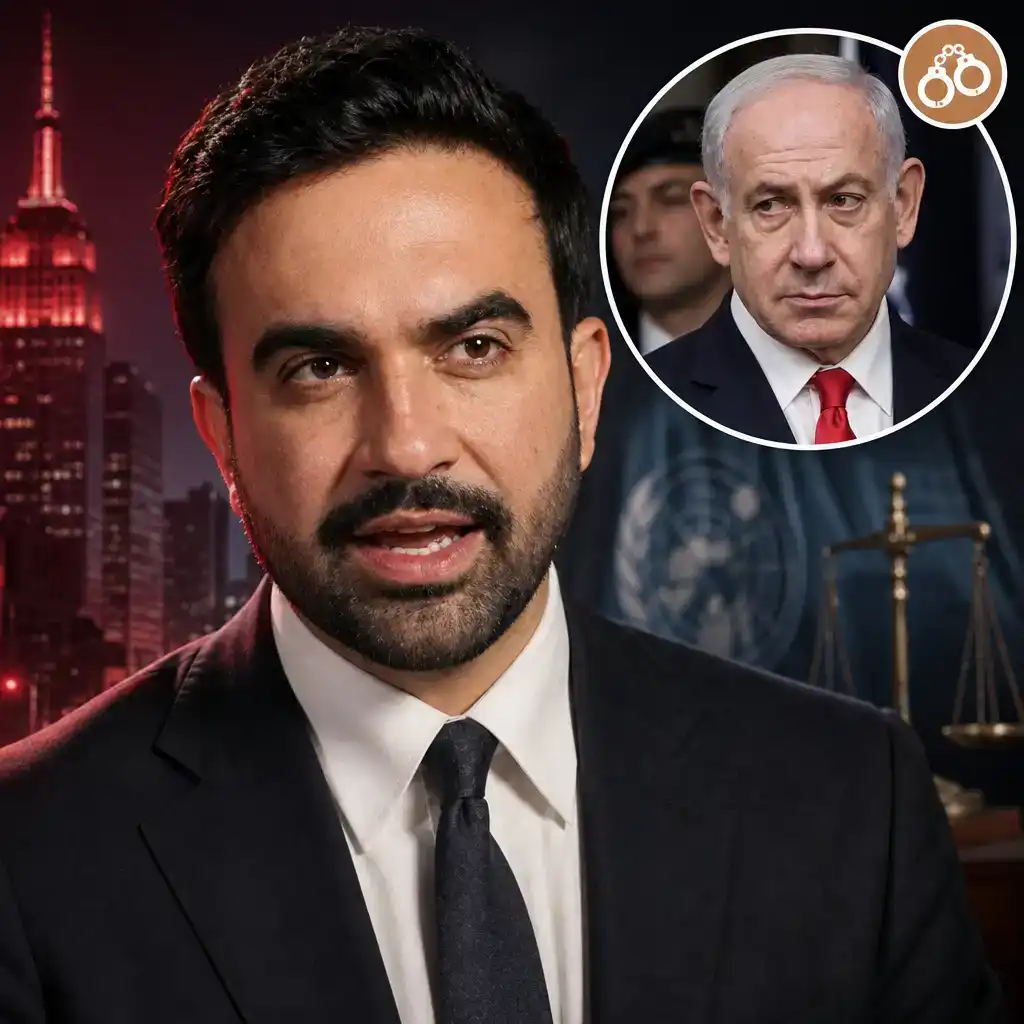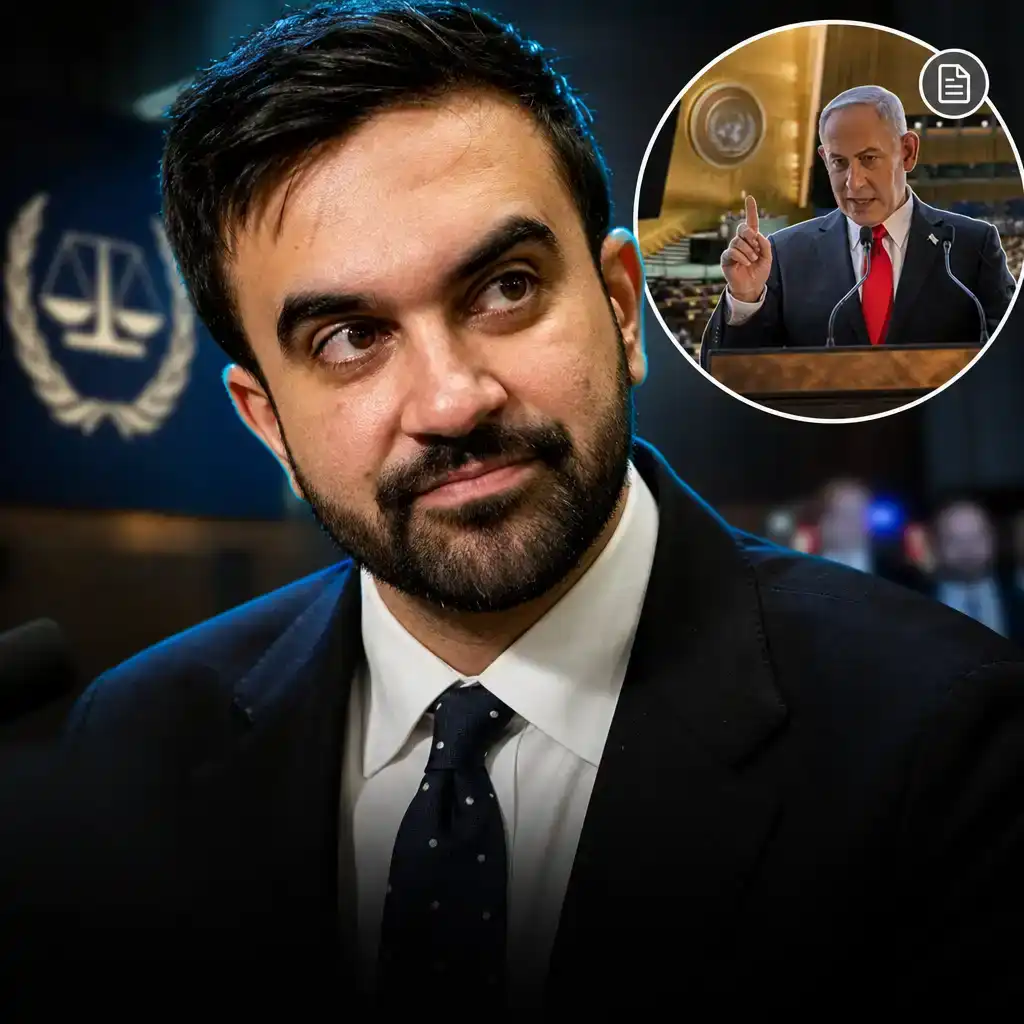
The Netanyahu arrest warrant has become a test of where New York City politics ends and federal power begins. Israeli Prime Minister Benjamin Netanyahu says he still plans to attend the United Nations General Assembly in Manhattan this autumn, despite Mayor Zohran Mamdani’s earlier campaign promise to arrest him. Mamdani has since acknowledged that City Hall cannot independently enforce the International Criminal Court warrant, which considerably reduces the practical drama while leaving the political argument fully operational.
Netanyahu told Fox News on Sunday that he was “not concerned” about the previous threat. He instead accused Mamdani of “fomenting hate” and trying to divide New Yorkers.
“He’s supposed to be the mayor of all New Yorkers, Jews, Christians, Muslims, everyone, but he’s trying to turn one group against the other,” Netanyahu said.
Why New York City cannot arrest Netanyahu
The International Criminal Court issued warrants for Netanyahu and former Israeli Defense Minister Yoav Gallant on November 21, 2024. The court alleged the war crime of starvation and crimes against humanity connected to Israel’s military campaign in Gaza. Israel denies committing war crimes, contests the court’s jurisdiction and has rejected the allegations. Netanyahu called the charges “bogus.”
Mamdani, a prominent supporter of Palestinian rights, made opposition to Israel’s Gaza campaign a central part of his mayoral platform. During the campaign, he promised to enforce the warrant if Netanyahu entered New York.
After being pressed on that position last week, however, Mamdani said his administration had reviewed the law and concluded: “We do not have the independent legal authority to enforce this warrant.”
Legal experts cited by Reuters agreed. The barriers include:
- The United States is not a member of the International Criminal Court.
- The federal government, not a city administration, controls foreign affairs.
- The United States generally recognizes immunity for visiting heads of state and representatives attending United Nations business.
- Agreements governing access to the United Nations create further protections for officials traveling to New York for official meetings.
In short, the New York Police Department cannot turn an international diplomatic dispute into a municipal arrest operation because the mayor requests it. Mamdani instead urged the federal government to act and said, “Benjamin Netanyahu is not welcome in New York City.”
Netanyahu links the dispute to two stabbings
Netanyahu’s criticism followed two stabbings in New York on Thursday. Police said suspect Raul Morales attacked a Jewish man and an Asian man several blocks apart. Both victims survived.
Authorities alleged that Morales shouted “God is greatest” in Arabic during the attacks. The Associated Press later reported that he faces hate-crime charges involving both victims. Morales is due back in court on July 30.
Police Commissioner Jessica Tisch said mental health may also have been a factor. No news organization cited evidence connecting Mamdani’s statements about Netanyahu or Gaza to the attacks, despite Netanyahu invoking the violence while criticizing the mayor.
Netanyahu said Jewish New Yorkers were “afraid right now.” Mamdani separately described the stabbings as “horrifying,” thanked responding officers and said Asian and Jewish residents have both endured hate-driven violence. Governor Kathy Hochul said she was “disgusted” by the attacks.
Mark Treyger, chief executive of the Jewish Community Relations Council of New York, offered a more measured assessment of political responsibility.
“No elected official is responsible for every act of hate, but every leader is responsible for helping shape the climate,” Treyger said.
Hate-crime figures show pressure across communities
The attacks landed amid heightened concern about targeted violence in New York. New York Police Department data show that 78 of the city’s 143 confirmed hate crimes in the first quarter of 2026 were anti-Jewish. That is 55% of the total.
The same data also show anti-Muslim hate crimes rising 140% compared with the corresponding period. Those figures complicate attempts to treat hostility as a problem affecting only one community, convenient as that might be for political messaging.
The two stabbing victims also underscore that wider reality. Jewish and Asian American leaders condemned the attacks, while city officials emphasized that both communities have faced violence motivated by identity.
Netanyahu’s accusation places Mamdani’s rhetoric under scrutiny, particularly because the mayor has repeatedly used the language of criminal accountability when discussing the Israeli leader. But the available reporting does not establish that the mayor’s comments inspired Morales or played any role in the stabbings.
That distinction matters. Political leaders can be challenged over the atmosphere their words create without presenting an unproven connection as an established chain of events.
The Gaza war remains at the center of the clash
The dispute traces back to the war that began after the Hamas-led attack on Israel on October 7, 2023. About 1,200 people were killed and 251 were taken hostage in that assault.
Israel responded with a military campaign in Gaza. More than 73,000 Palestinians have since been killed, including over 21,000 children, according to Gaza’s Hamas-run Health Ministry. The United Nations considers the ministry’s overall casualty figures reliable.
Mamdani has called Netanyahu a “war criminal,” while Netanyahu has rejected both the description and the International Criminal Court’s case. Their confrontation therefore combines several combustible issues: the Gaza war, international law, New York’s hate-crime concerns and the limits of mayoral authority.
The immediate practical question is less complicated. Netanyahu says he intends to travel to the United Nations General Assembly, and Mamdani now accepts that New York City cannot arrest him on its own. The mayor can condemn the visit, and Netanyahu can condemn the mayor. The actual legal authority sits elsewhere.