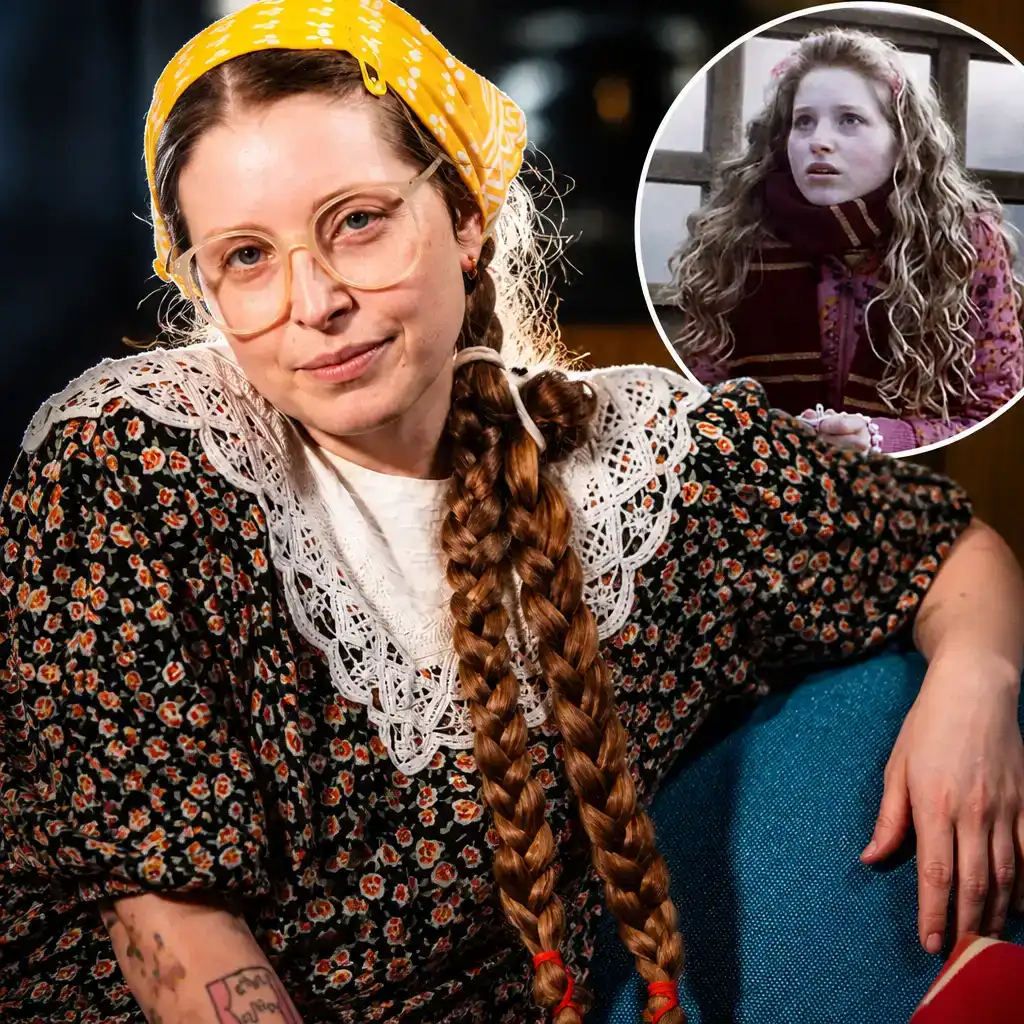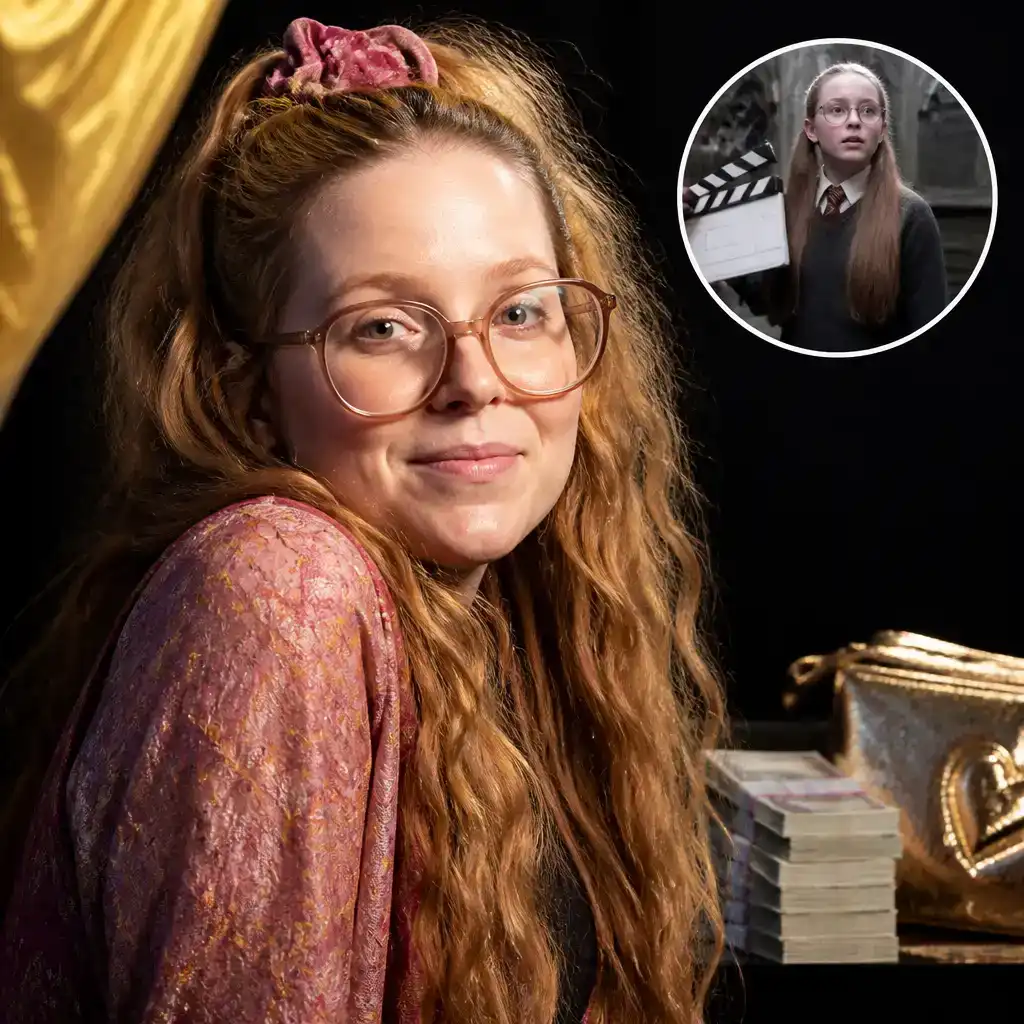
Jessie Cave’s OnlyFans earnings reached £15,000 on her first day, a result the actor says was worth more than years of far less predictable work. Cave, who played Lavender Brown in the final three Harry Potter films, disclosed the figure in an interview with The Times published on August 7.
The 39-year-old said she had earned more through the subscription platform in a year than across her entire acting career. The Observer had already reported in May that Cave had hundreds of subscribers and that her account had overtaken her acting income.
Her opening-day total was worth just over $20,000, although it is unclear whether the £15,000 refers to fan payments before OnlyFans took its cut or the amount Cave received afterwards. The platform keeps 20% of payments. A large number either way, but one that comes with some fairly important small print.
Why did Jessie Cave join OnlyFans?
Cave launched her account in March 2025 during what she described as a period of financial desperation. She initially expected to make about £5,000, stay on the platform for several months and buy enough time to decide what came next.
Instead, the account became a lasting source of income.
“I thought I’d make five grand, be on it for a few months and it would buy me time to work out what we’re going to do,” she told The Times. “But it’s now been over a year and a half and it’s genuinely saved our lives.”
The launch date and interview date put the account’s age at just under 17 months, rather than more than 18. The broader point remains intact: what began as a short-term attempt to clear debts and renovate her home became a much bigger business.
Cave has four children with her longtime partner, comedian Alfie Brown. She said childcare costs made conventional employment difficult, while her recognisable role created another complication.
“I couldn’t go and, say, work in a supermarket because I can’t afford the childcare, and also I don’t want people shouting Harry Potter spells at me as I work at Tesco,” she said.
Despite sometimes being described as a child star, Cave was 19 when she was cast as Lavender Brown. Franchise recognition, it turns out, does not automatically arrive with permanent financial security. The merchandise may last forever. Supporting-actor income often does not.
What content does Cave post?
Cave’s account is built around sensual but non-explicit hair content. When she announced it, she described the presentation as having a “slutty Mormon” feel and said it was aimed at subscribers with an interest or fetish involving hair.
She had noticed that hair videos on Instagram consistently attracted attention, though she said the comments were not explicit or particularly aggressive. That gave her the idea to turn an existing audience response into paid material.
“They’re never sexually depraved or lascivious,” Cave said on her Before We Break Up Again podcast. “It’s never dirty comments, but I do get lots of interest in the hair thing and I just thought, ‘Fuck it, I’m going to do something that is very niche.’”
She has largely kept to that concept. Cave said the appeal was partly financial and partly about being looked at differently after years of presenting herself publicly in oversized clothes and glasses.
“For so long I’ve just been this quirky figure,” she told The Times. “After having four kids and feeling invisible for so long, that was really appealing to me.”
How unusual is a £15,000 first day?
Cave’s success should not be treated as a typical OnlyFans experience. She joined with an established public profile, a recognisable film credit and an existing social media audience, advantages that most new creators do not have.
The scale of the competition is considerable. Fenix International, the company behind OnlyFans, reported 4.63 million creator accounts and 377.46 million fan accounts for the 2024 financial year, according to company-filing analysis by Sacra. Earnings across that creator market are highly uneven.
That makes Cave’s first-day figure notable, but not especially useful as a forecast for anyone considering opening an account between lunch and dinner. It also remains uncertain whether her disclosed total was before or after the platform’s fee.
Cave has acknowledged that the money can alter professional decisions in uncomfortable ways. She told The Observer that high earnings from OnlyFans felt “quite dangerous” because difficult or poorly paid acting jobs became less attractive by comparison.
“I see people on Instagram posting bikini shots or sexy stuff and I think, ‘You could be charging for this! You’re losing money!’” she told The Times. “I see that being the future. Everyone will be paying for everything.”
Has OnlyFans affected her acting career?
The account solved one problem while creating another: industry stigma. Cave said she worried casting directors and employers would assume she was producing pornography, despite the non-explicit nature of her videos.
That concern became more concrete in September 2025, when Cave said a Harry Potter convention declined to book her because OnlyFans was associated with porn. She called the decision “baffling,” noting that her material involved “just playing with my hair.”
According to Cave, performers who had appeared nude or filmed sex scenes were still eligible for convention appearances. The distinction appears to rest less on what was shown than on where it was sold, a remarkably specific standard for moral concern.
Her experience highlights the unstable economics faced by many recognisable supporting actors. Cave had appeared in one of the world’s biggest film franchises, yet still reached a point where acting income, childcare costs and limited alternatives left her struggling to support her family.
OnlyFans provided the financial stability that franchise fame did not. It also exposed her to assumptions that could reduce future acting and convention work. For Cave, the platform has been both a rescue and a professional risk, which is rather more complicated than a single £15,000 headline suggests.