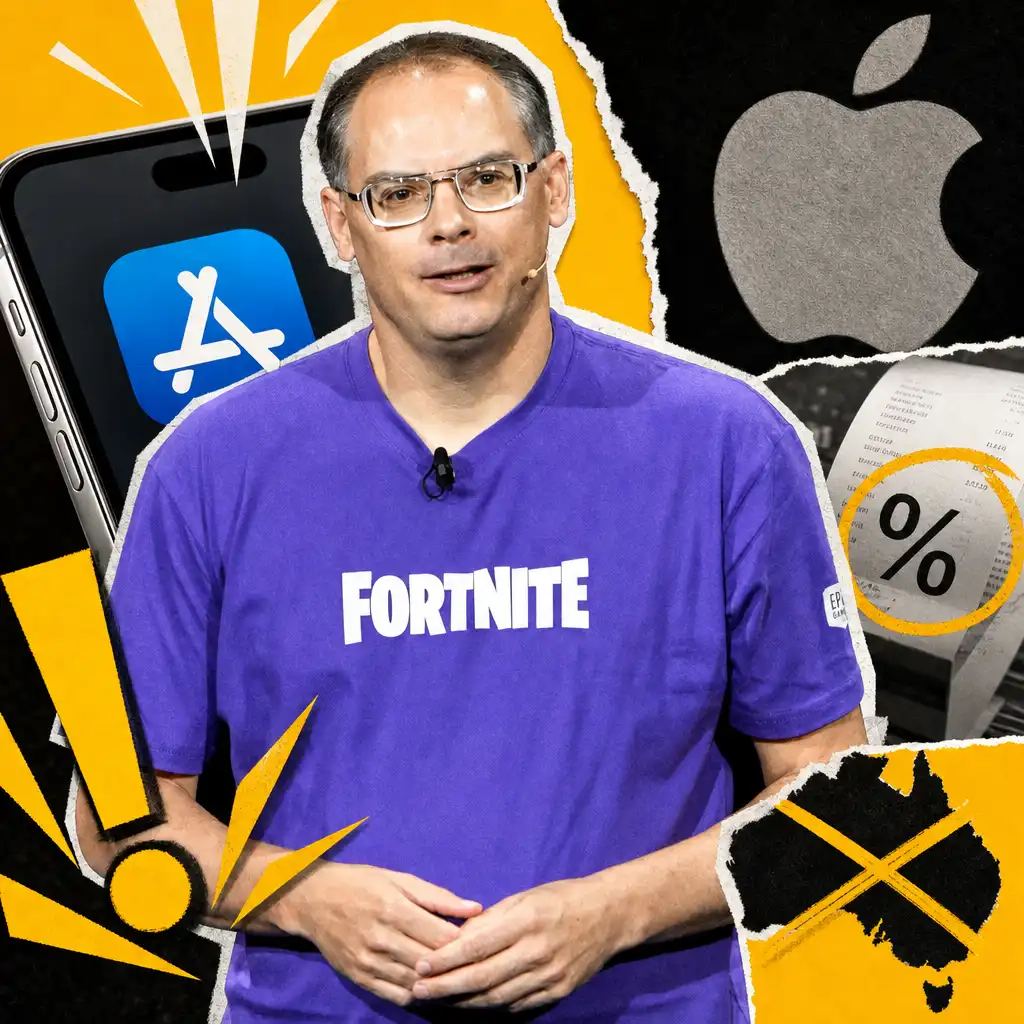
What changed with Apple and the Supreme Court
Epic says its latest move followed Apple’s statement to the U.S. Supreme Court that “regulators around the world are watching this case to determine what commission rate Apple may charge on covered purchases in huge markets outside the United States.”
For Epic, that line mattered. The company said it is “confident that once Apple is forced to show its costs, governments around the world will not allow Apple junk fees to stand.”
In a statement, Epic said it would keep pressing the issue beyond this one app listing.
“We will continue to challenge Apple’s anticompetitive App Store practices of banning alternative app stores and competition in payments,” the company said.
Epic also pointed to regulatory movement in several major markets:
- Japan
- The European Union
- The United Kingdom
The company argued that Apple has repeatedly worked around new rules with “scare screens, fees and onerous requirements.” Epic said regulators now need to enforce those laws so developers and consumers can benefit from “an open and fair mobile app ecosystem.”
Tim Sweeney frames this as a global fight
Sweeney posted on X, formerly Twitter, that Fortnite’s return comes as Epic heads into what he described as “the final battle of Epic v Apple in court.”
“Fortnite is back on the Apple App Store as we head into the final battle of Epic v Apple in court,” Sweeney wrote. “For years, Apple has fragmented iOS features and fees by territory, taking regulatory negotiating positions in secret, and intentionally delaying the pursuit of justice.”
He then cited Apple’s Supreme Court language about regulators watching the case worldwide and said Epic sees the moment as a broader turning point.
“So we see this as the beginning of the end of the Apple Tax worldwide,” Sweeney wrote.
He added: “This is a critical moment in the battle against the App Store empire to win freedom for all developers and consumers, and we'll continue the fight in every jurisdiction worldwide until competition is restored to digital stores and payment markets everywhere.”
That is a sweeping way to describe an app store listing, but for Epic, Fortnite has long been both a game and a legal battering ram.
Why Australia is still waiting
Despite the broad return, Fortnite has not yet reappeared on the Australian App Store. Epic said it is waiting for a court order to “bring Apple's unlawful conduct to an end and to make orders that will benefit all app developers and iOS users.”
The company said it cannot bring the game back under terms it considers unlawful.
“Epic can't return under an illegal payment arrangement with Apple, so unless Apple agrees to adopt lawful payment terms in the interim, we must wait for a Court decision,” Epic said.
That makes Australia the notable exception in what Epic is otherwise presenting as a global step forward. For players there, the legal process is still standing between them and a straightforward iOS install.
The comeback lands during a tougher Fortnite era
The timing is important for another reason: Fortnite is returning to iOS during a difficult stretch for Epic’s flagship game. The battle royale that once seemed almost impossible to slow has faced a downturn in interest.
Epic made major layoffs in March after that decline, and analysts have said the shrinking audience for Fortnite’s long-running battle royale mode is only part of the problem. The company has also spent years and large sums fighting Apple and Google in court, while continuing to fund the Epic Games Store as it tries to compete with Steam.
There is also Roblox, whose creator-driven ecosystem has grown rapidly and now outpaces engagement in Fortnite’s own creator-made modes.
So yes, Fortnite returning to iPhones matters for players. But for Epic, it also matters as leverage, symbolism, and possibly relief. The company is still trying to prove that its future is not just a famous island, a shrinking circle, and an expensive court calendar.