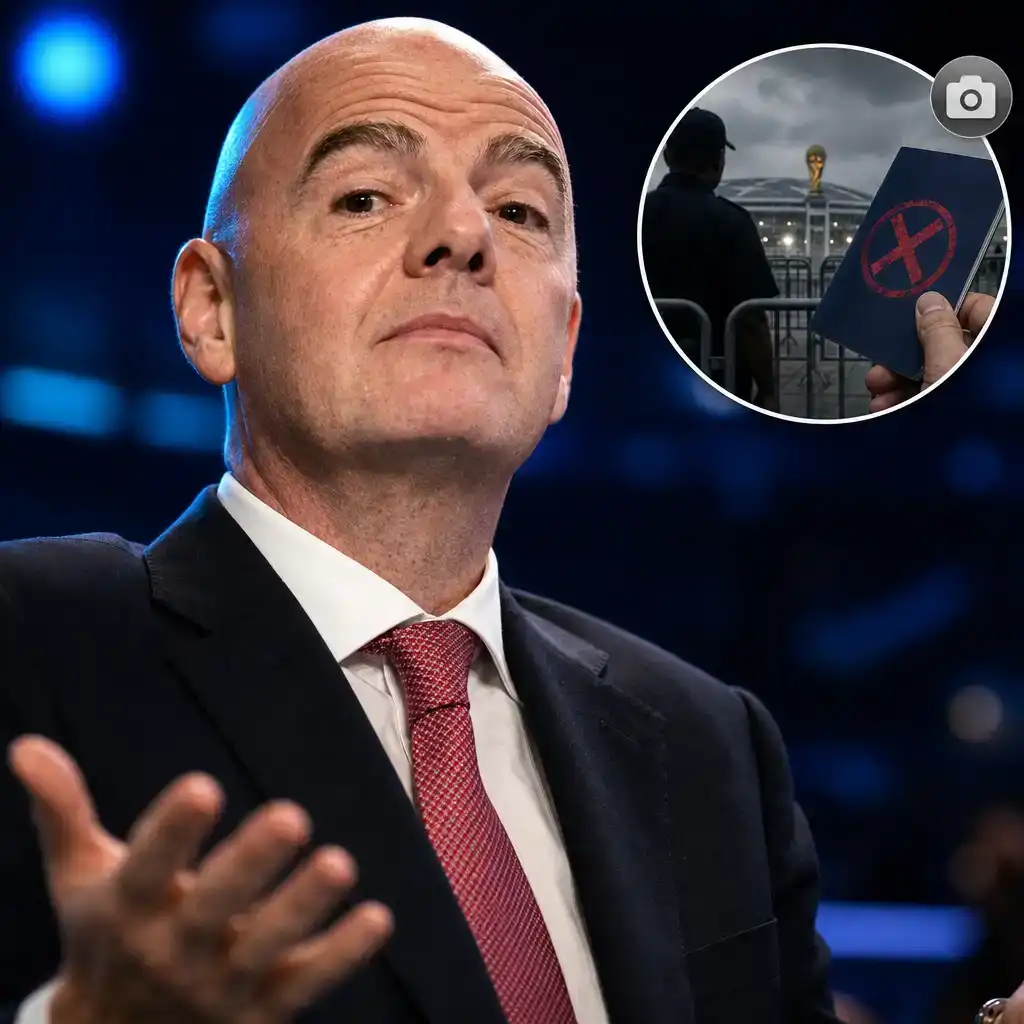
The move is especially sensitive because it is reported to be the first time in modern World Cup history that a red card during the tournament has not led to a suspension. Football’s disciplinary system is not famous for flexibility in these cases, That is exactly why written rules exist.
What happened before the Belgium match
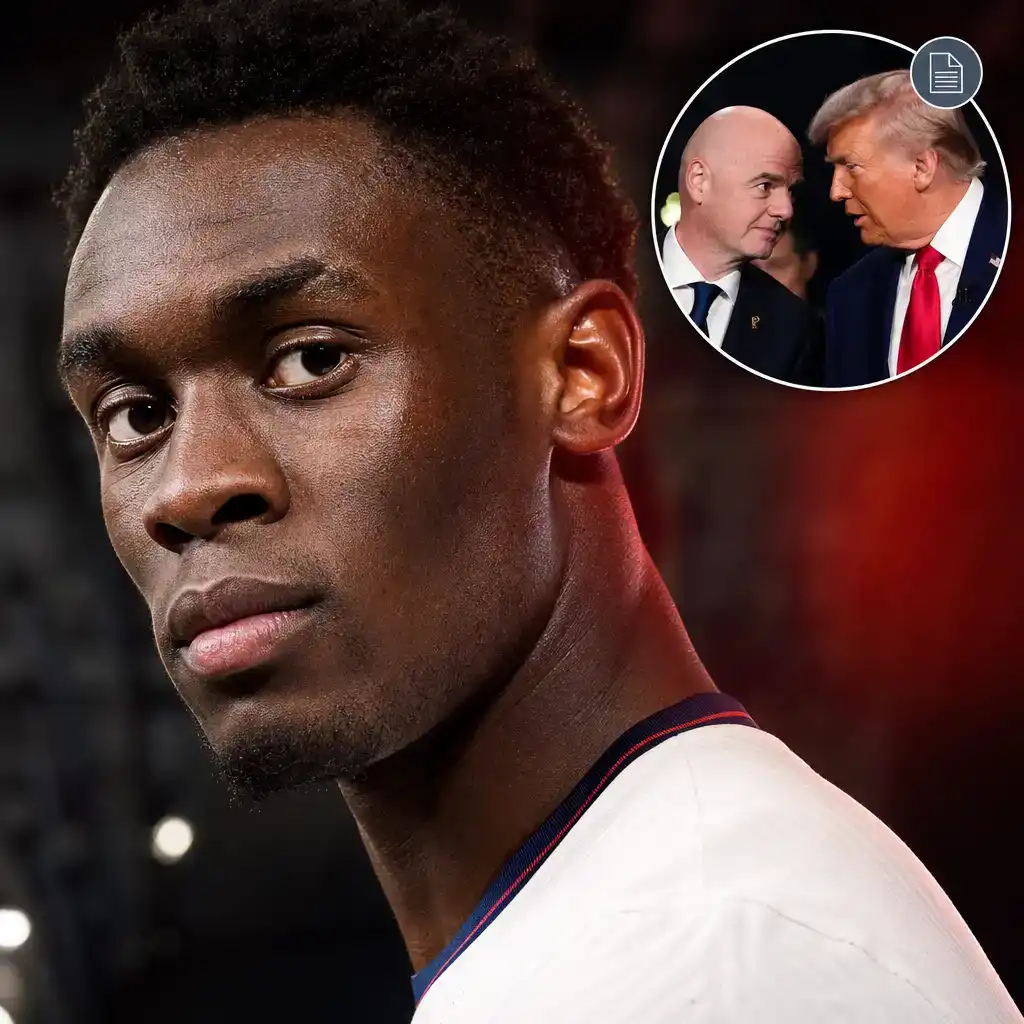
Balogun’s red card came in the United States’ victory over Bosnia and Herzegovina on July 1. The striker had been one of the central figures in the US attack and was the team’s top scorer in the competition.
Trump later acknowledged that he had asked FIFA to take another look at the incident, calling the red card “horrible.” He said he did not demand a particular outcome and could not instruct Infantino on what to do.
“I think it [the suspension] would have left a big stain,” Trump said, adding that both the United States and Belgium should have their best players available for the match.
FIFA then lifted the suspension, allowing Balogun to play against Belgium. The sporting effect was limited in the end: the United States lost 4-1 and was eliminated from the World Cup. That result does not erase the governance question, though. A bad performance does not disinfect the process after the fact.
Lawmakers call it a ‘perversion of justice’
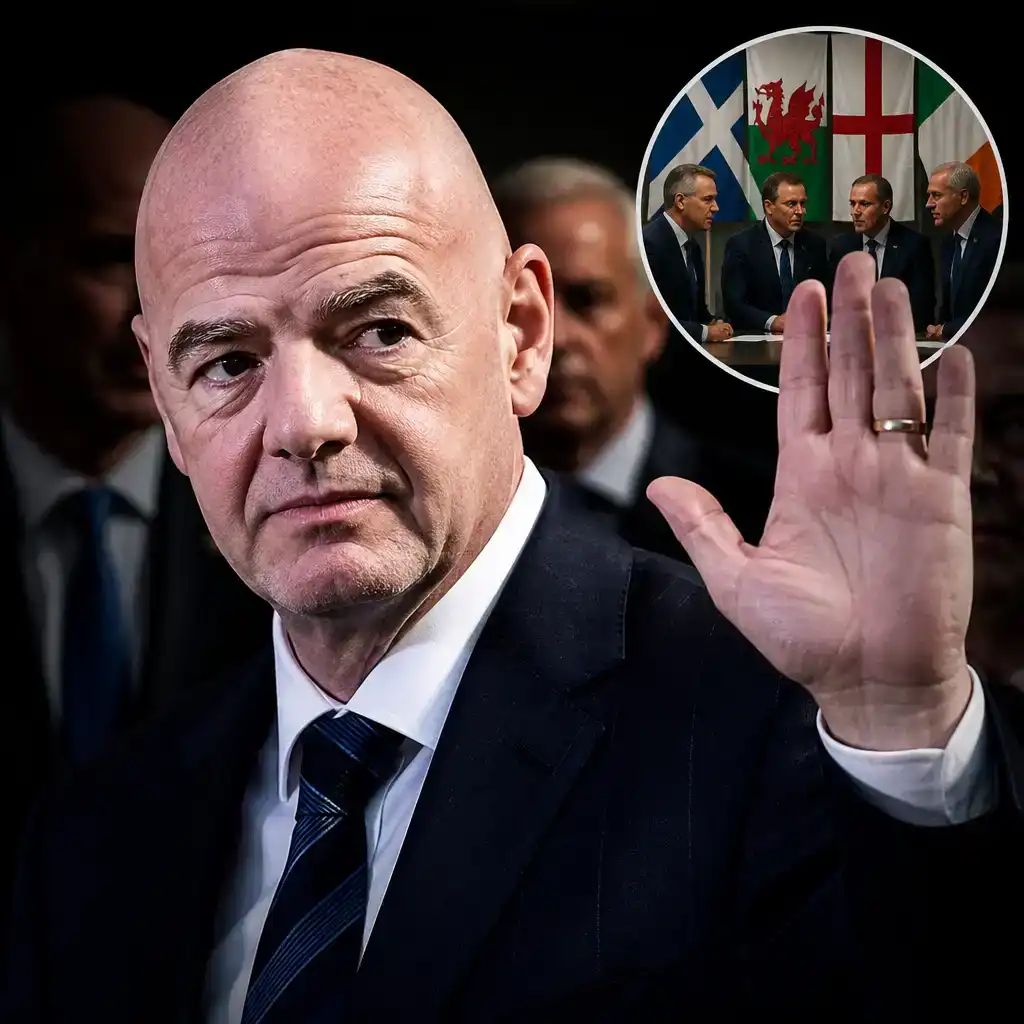
European Parliament lawmakers Barry Andrews, Lara Wolters and Niels Fuglsang issued a joint statement sharply criticising the decision. They said FIFA’s move to “change the rule on red card suspensions mid-tournament is a disgrace and a perversion of justice.”
“Once again, we’ve seen Infantino and FIFA surrender to the demands of the Trump administration,” the lawmakers said, adding that 35 colleagues had so far joined their petition.
They cast the issue as a test of sporting fairness, not just a complaint about one player in one match.
“The beauty of sport is that it is based on impartial and transparent rules. When Infantino allows political pressure to determine who gets to play, this sense of fairness goes out the window,” they said.
If a red-card sanction can be revisited after pressure from a head of state, even informal pressure, future disciplinary decisions become harder to separate from politics. Football already has enough committees without adding geopolitical VAR.
Infantino says FIFA’s judicial process held
Infantino defended his call with Trump and said he told the US president that the matter was being handled by FIFA’s independent judicial bodies.
“That is how FIFA’s system works, and it is a principle that I will always uphold,” Infantino said.
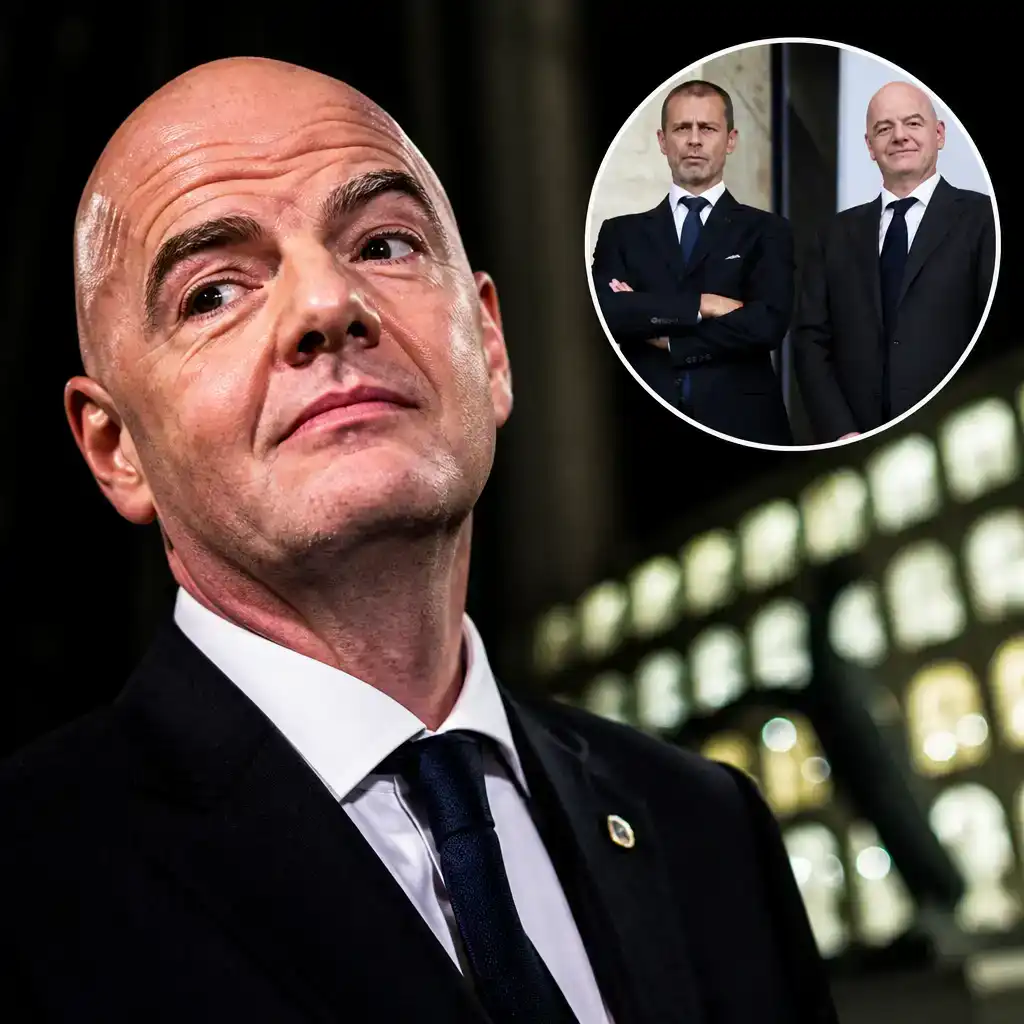
FIFA says its disciplinary committee made the decision. The controversy, however, is intensified by Infantino’s close relationship with Trump. The Swiss football administrator has cultivated ties with the US president over several years and last year presented him with a newly created “FIFA Peace Prize.”
That background gives critics plenty to work with. The governing body’s argument is procedural independence. The lawmakers’ argument is that the surrounding circumstances make that claim worth testing.
At the centre of it all is a ruling that did not change the United States’ tournament fate, but may still matter for FIFA’s credibility. In knockout football, one decision can shape a match. In football governance, one exception can shape trust in the whole system.