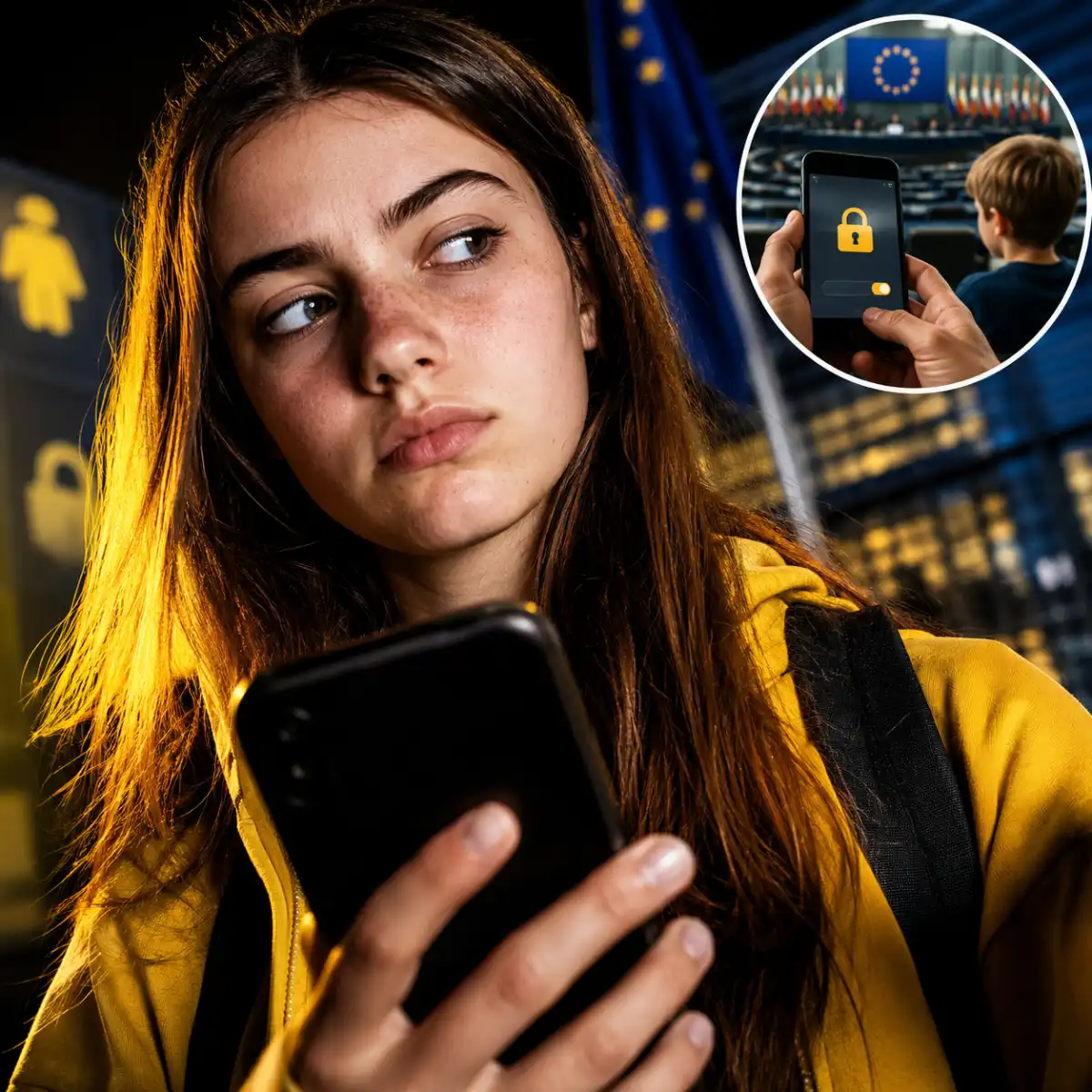
The European Union is weighing broad social media restrictions for children, a move that could reshape when young people are allowed onto major platforms and what companies must prove before they get access to them.
The ideas come from an independent expert panel commissioned by the European Commission. Commission President Ursula von der Leyen said on July 13 that the EU could bring forward legislation “after the summer,” once officials have reviewed the report. The Commission is getting ready to move, which is usually the polite phase before everyone starts arguing in committees.
What is the EU considering for young users?
The panel’s recommendations range from tighter age limits to staged access, with the most restrictive option being a full ban for younger children.
The suggested framework includes:
- No screen exposure for children under three
- Supervised internet access for children under 13
- Further limits for older teenagers
- A requirement that social media companies prove their services are safe for younger users before children and teens can use them
That last point is likely to draw the sharpest attention from platforms. Instead of placing most of the burden on parents, schools, or young users themselves, the proposal would shift more responsibility onto companies to show that their products are not harmful by design.