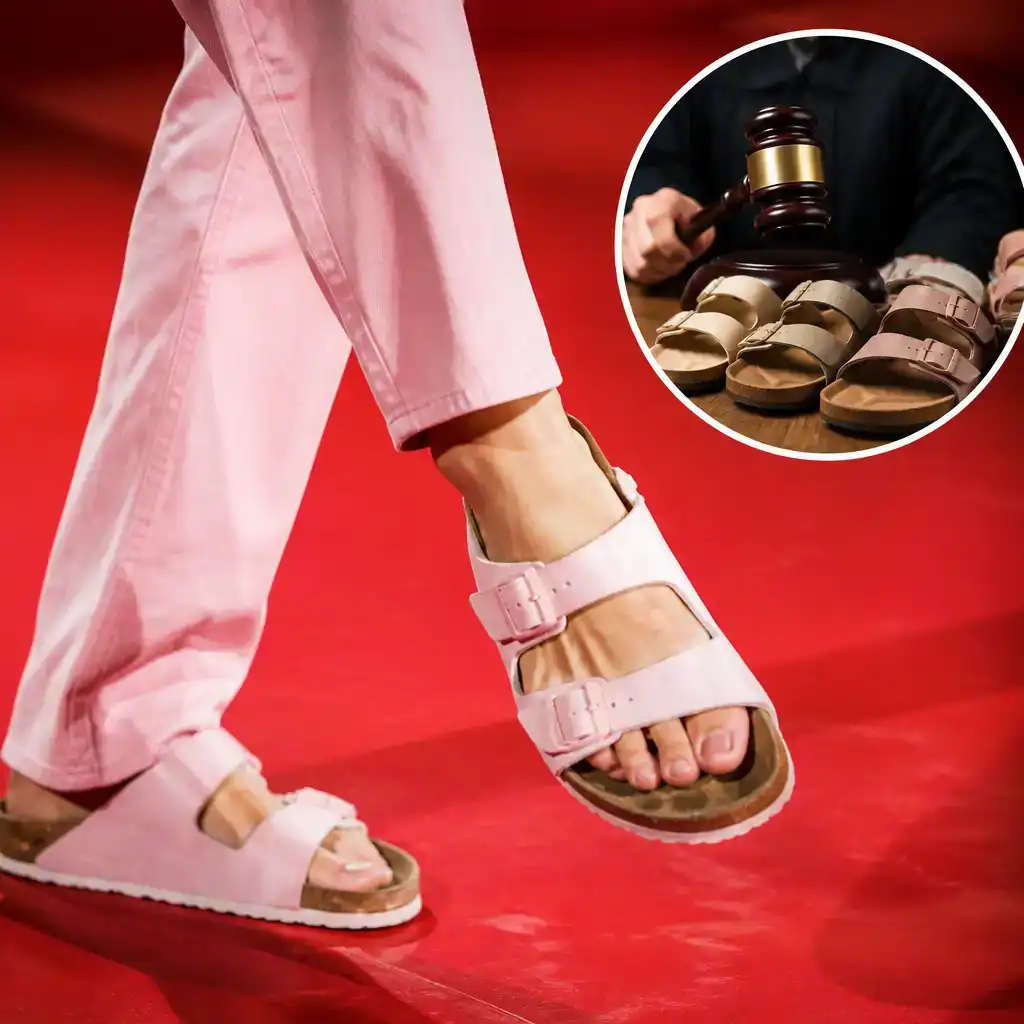
Lidl Birkenstock lookalikes can no longer be sold in the Netherlands after a Dutch court ruled that the discount supermarket infringed the footwear brand’s trademark rights. The decision covers versions of five well-known Birkenstock models: Arizona, Madrid, Gizeh, Boston and Florida.
If Lidl ignores the order, it faces a fine of €5,000, about £4,200, for each day of non-compliance. The retailer must also provide Birkenstock with sales data, pay compensation and cover the company’s legal costs. The final amounts will be settled in separate court decisions, because even sandal litigation apparently requires several receipts.
The ruling can still be appealed. Lidl had not publicly commented, and the BBC said it had contacted the retailer for a response.
What did the Dutch court find?
The court concluded that Lidl’s products infringed Birkenstock’s trademarked “footbed design”, a defining feature used across the German company’s footwear range. That finding allows Birkenstock to block sales throughout the Netherlands rather than merely seek damages after the fact.
Birkenstock said the judgment sent a clear message that “copycats must not be allowed to free-ride on [our] creativity and innovation”. It added that it would “continue to defend its rights vigorously and will use all available legal means to combat imitations of its iconic products”.
The company framed the case as protection not only for itself, but also for its retail partners and customers. It promised further action against businesses seeking to profit from its designs. For shoppers, the practical result is straightforward: Lidl’s versions of the five named styles must disappear from Dutch shelves unless an appeal changes the outcome.
Why does Birkenstock keep taking retailers to court?
The Lidl decision is the latest in a growing series of legal disputes over Birkenstock’s designs. In November 2025, another Dutch court ordered footwear retailer Scapino to stop selling similar products. Scapino is appealing that judgment.
A month later, Europe’s highest court ruled that ordinary commercial products can qualify for copyright protection when they reflect creative design choices. Birkenstock said that December 2025 decision was relevant to its “iconic” sandals and strengthened the wider argument that mass-produced items do not automatically lose copyright protection simply because they are useful.
The company had received a less helpful answer in Germany earlier in 2025. Germany’s highest court found that Birkenstock sandals were practical products rather than works of art, rejecting the level of copyright protection the brand wanted. Birkenstock called that outcome a “missed opportunity”.
The conflicting cases involve different legal questions, including trademark protection, copyright and whether a functional object can also count as an artistic work. The sandals may have appeared on Margot Robbie in the Barbie film, but cinematic visibility did not persuade the German judges that practical footwear had become fine art.
Why fashion brands pursue lookalike cases
Birkenstock is not alone in treating imitation as a courtroom matter. Footwear company Dr. Martens has repeatedly sued large online retailers over allegedly copied boot designs. Luxury label Christian Louboutin also spent years fighting cases around the world to protect its signature red soles from high-street versions.
These disputes test where commercial inspiration ends and legally protected design begins. Mass retailers can offer familiar-looking products at lower prices, while original brands argue that those products benefit from years of design work and brand recognition without paying for either.
For now, Birkenstock has secured another Dutch victory. Whether it lasts will depend on any appeal, but Lidl’s immediate options are considerably less comfortable than the sandals involved.