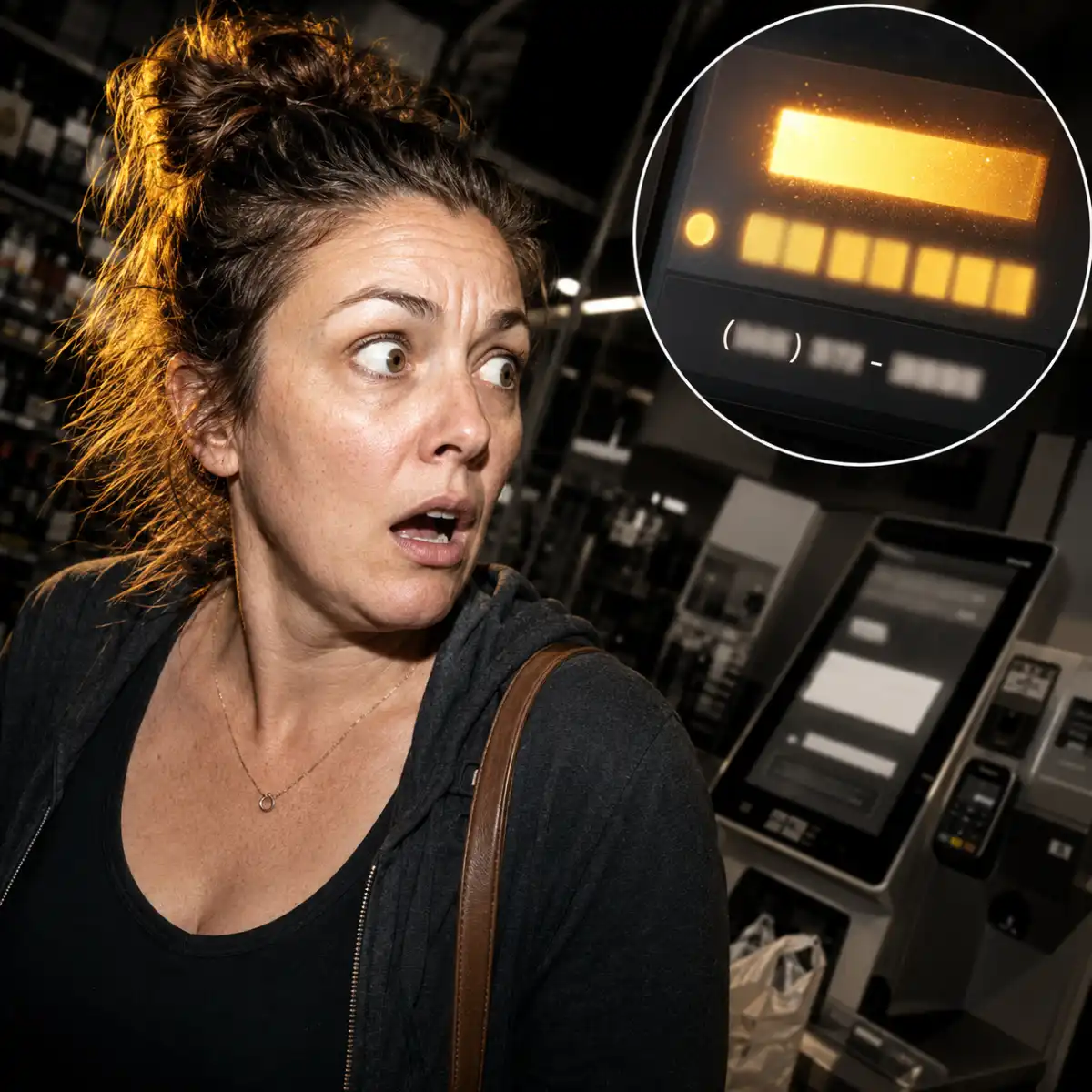
A Circle K kiosk appeared to add an $8.5 billion American Red Cross donation to a shopper’s hot dog order, producing a viral screenshot and an obvious question: Had the store’s artificial intelligence lost control of the checkout?
The available evidence suggests the answer is probably more ordinary. Commenters noticed that the donation amount matched a 10-digit Florida Panhandle phone number. The post was later removed after a woman said the number belonged to her and that strangers had started calling.
What the shopper said happened
The customer shared the checkout screen on Reddit on July 29 with a simple caption: “I just wanted a hot dog.”
According to the post, Circle K had replaced two traditional registers with AI-powered self-checkout machines. The store’s only employee was occupied, so the customer used a kiosk despite claiming to have previously seen it add products that were not near the scanner, including lighters and food.
This time, the screen showed several bottles of Gatorade and what appeared to be an $8.5 billion donation to the American Red Cross.
“Don’t get me wrong, I like what they do and all, but this is a bit much,” the shopper wrote.
The kiosk still displayed cash and card payment options, but the customer said they did not complete the purchase. They also claimed the employee behind the counter was “astonished” and that both of them laughed about the enormous charge.
Circle K and checkout technology company Mashgin have not publicly explained the incident.
Why the AI failure claim is disputed
The screenshot confirms that a multibillion-dollar donation appeared on the screen. It does not establish that artificial intelligence generated the amount or added it without customer input.
One commenter identifying themselves as a Circle K employee wrote: “They don’t just hallucinate donations. You have to hit the button.”
Other users suggested the shopper may have selected “Donate” rather than “Enter Inner Circle Phone Number,” then typed a rewards number into the wrong field. The digits in the donation amount formed a valid 10-digit telephone number, supporting that explanation.
No independent outlet has verified the shopper’s account, determined what buttons were pressed or found evidence that Mashgin’s product-recognition system created the donation. A touchscreen calibration problem also has not been confirmed.
That leaves several possibilities, including user error, an unclear interface or a technical problem unrelated to the cameras identifying products. Calling it an AI hallucination makes for a better viral post, but the evidence is less cooperative.
How the viral joke exposed a phone number
The stranger outcome came after the screenshot spread widely. A Reddit commenter using the name QueenPhantom3 said the displayed donation amount was her telephone number.
“Now everyone is calling my phone number by the donation amount,” she wrote.
Moderators later removed the original post, citing a rule requiring users to conceal personal information such as telephone numbers and addresses. The screenshot had effectively published an uninvolved person’s contact details as a joke about an absurdly large charity charge.
There is no evidence the original poster intended to expose anyone. Still, the episode shows how quickly a strange checkout screen can become a privacy problem when millions of dollars also happen to look exactly like a phone number.
The unwanted calls also changed the stakes. What began as a customer laughing with an employee ended with another person dealing with attention she had not requested.
How Circle K’s Smart Checkout works
Circle K’s parent company, Alimentation Couche-Tard, announced a major Smart Checkout expansion in June 2022 after testing Mashgin machines at nearly 500 locations. The plan called for more than 10,000 units across over 7,000 stores.
Mashgin systems use cameras and computer vision to recognize several products placed beneath the equipment, removing the need to scan each barcode individually. The companies said transactions could take about 10 seconds, roughly eight times faster than conventional self-checkout. They also reported that 80% of surveyed first-time users preferred the system.
The product-recognition technology is separate from the kiosk’s loyalty and donation screens. In other words, the cameras may identify a bottle of Gatorade, but entering a membership number or choosing a charitable contribution involves different checkout controls.
That distinction matters because the viral claim blamed AI for an action that may have occurred elsewhere in the interface.
Why the checkout design still deserves scrutiny
Even if the customer pressed the wrong option, the screen apparently accepted a 10-digit number as a multibillion-dollar donation and advanced to payment. A system that allows that amount without a warning, confirmation step or sensible limit has created room for a spectacular mistake.
Self-service prompts have already frustrated customers in other settings. Popeyes previously confirmed it was testing kiosk tipping at roughly 12 food court locations after diners questioned why the machines were requesting gratuities.
The Circle K incident raises a different issue: whether loyalty and donation controls are presented clearly enough to prevent a phone number from becoming a charitable pledge larger than many national economies.
For the shopper, no money changed hands. For the woman whose number appeared in the screenshot, the consequences were more tangible. The strongest lesson is not that artificial intelligence tried to donate billions. It is that confusing checkout design and a viral post can create a very human mess.