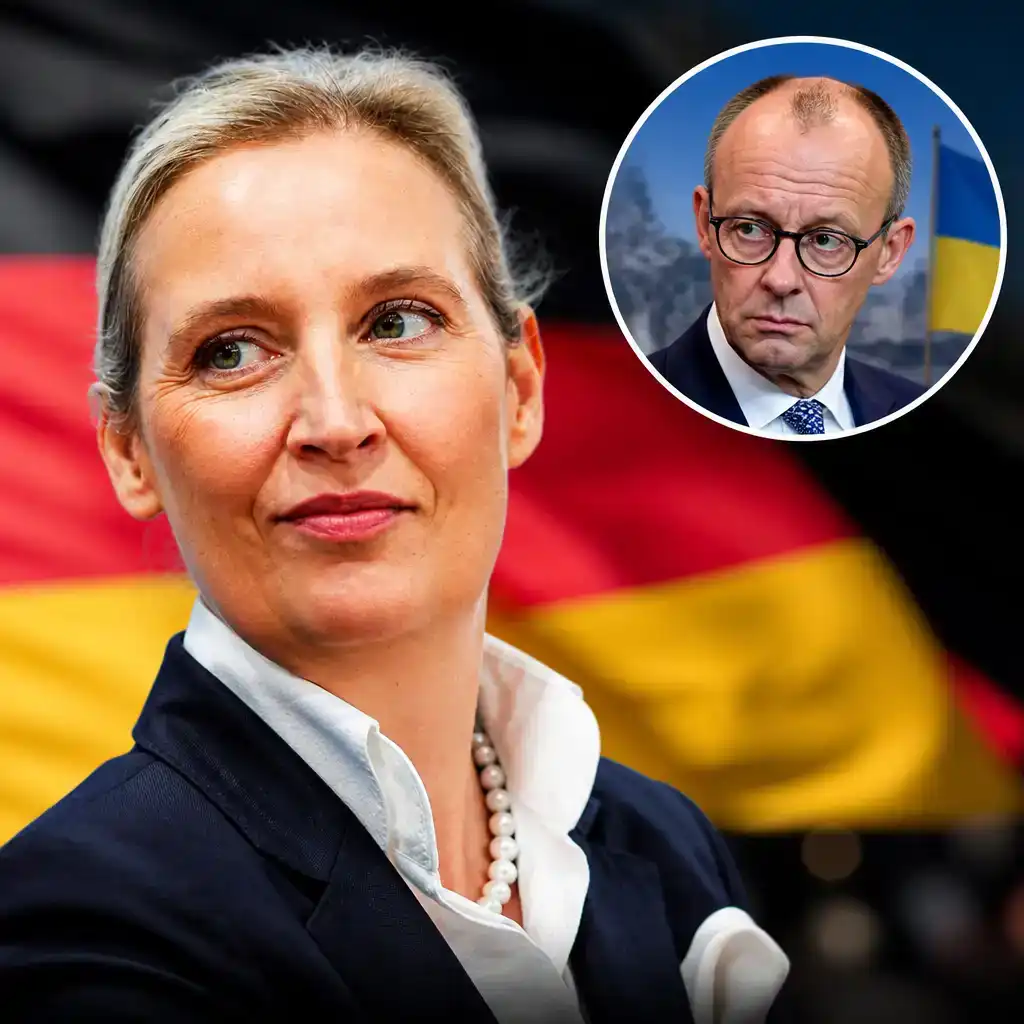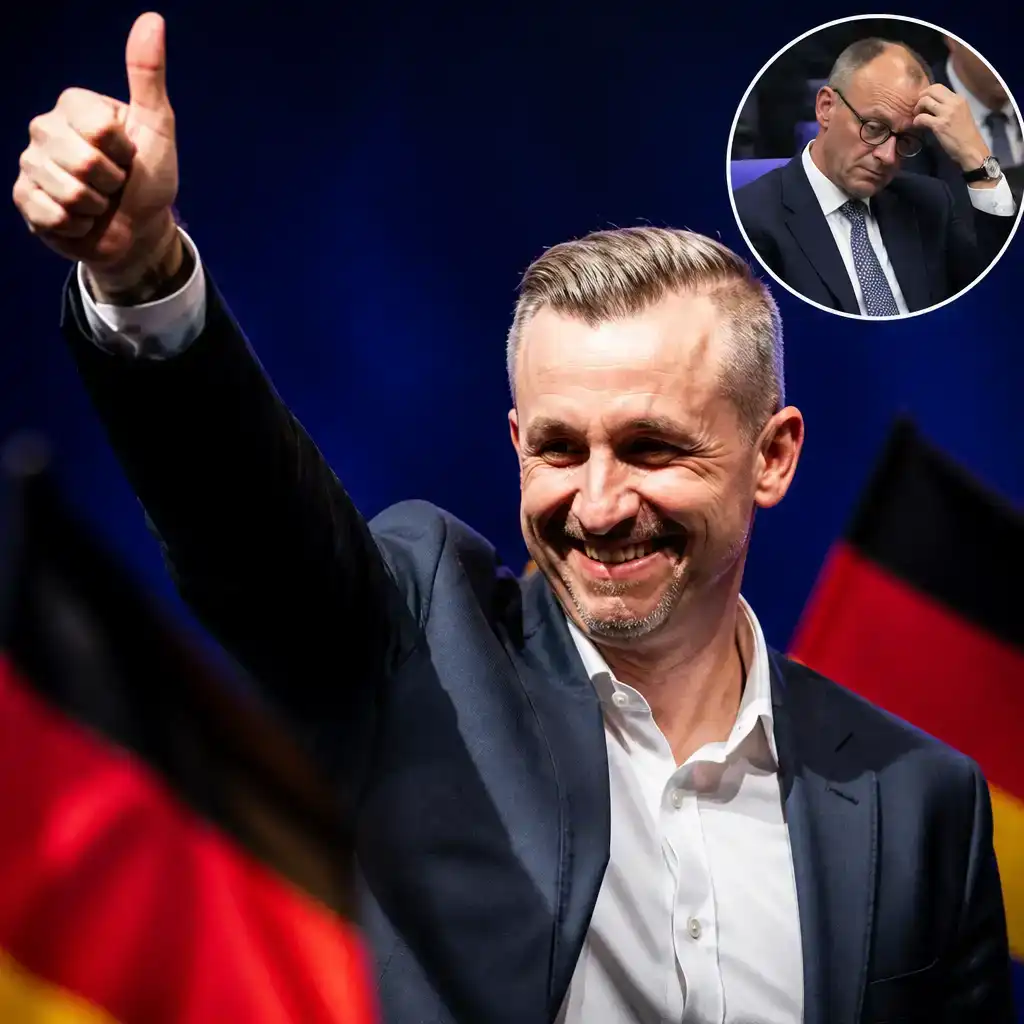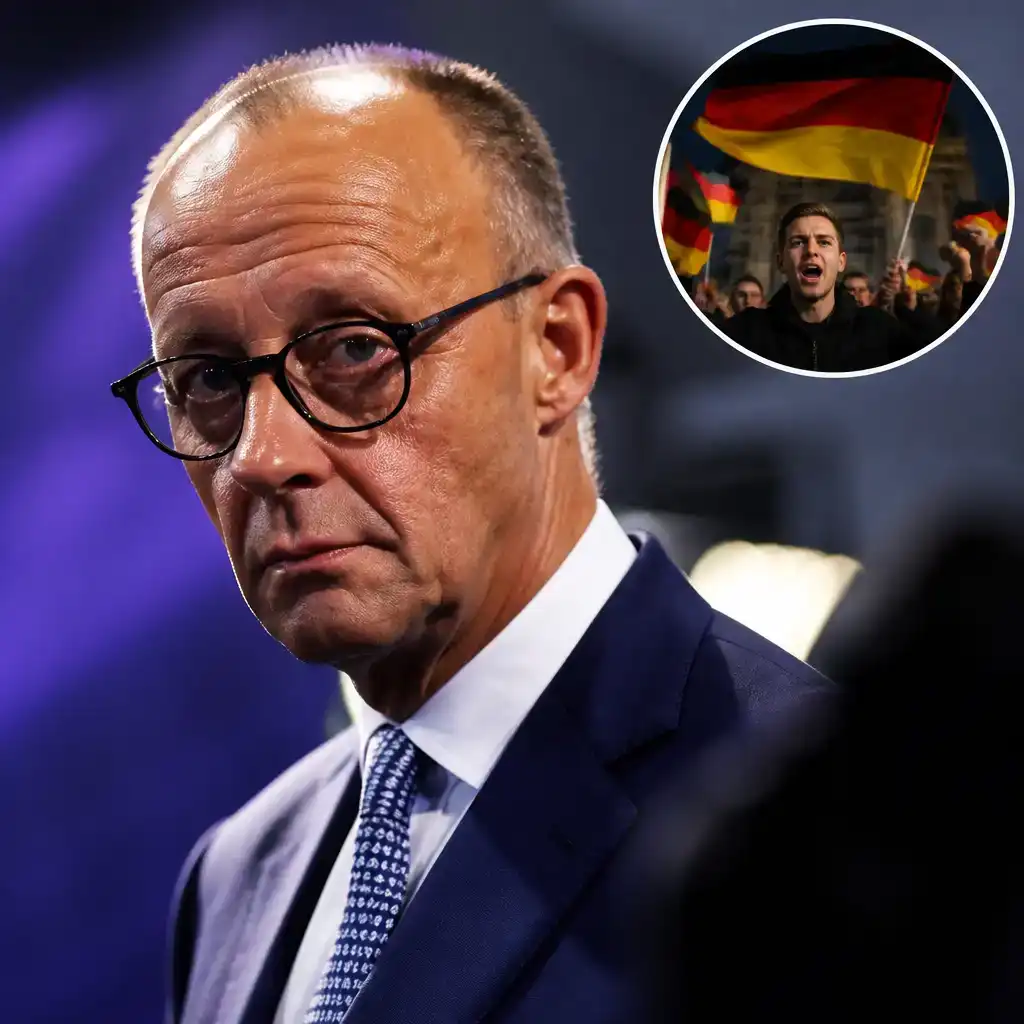
The CDU election defeat in Mecklenburg-Vorpommern was a “disaster,” German Chancellor Friedrich Merz admitted on Sunday. He also made clear that he plans to remain in office, despite poor approval ratings, repeated regional setbacks and growing speculation about his future.
Projections showed the Christian Democratic Union falling below the 5% threshold required to enter the north-eastern state’s parliament. That would leave the party with its worst result there and, potentially, its weakest performance in any German state since the Second World War.
Alternative for Germany, known as the AfD, was projected to finish first. Public broadcasters ZDF and ARD put the far-right party on 38%, narrowly ahead of the centre-left Social Democratic Party on 35%.
The AfD is still unlikely to govern. Germany’s other major parties refuse to enter coalitions with it, meaning the largest party may once again discover that winning the most votes and forming a government are not quite the same task.
Why Friedrich Merz is refusing to resign
Speaking at CDU headquarters in Berlin, Merz said he would continue pursuing his coalition government’s package of economic, tax and welfare changes.
“The reforms have to come. I am taking on this responsibility, because I want to move our country forward.”
He argued that the government needed “backbone, steadfastness and patience,” adding that he would show those qualities both as CDU chairman and as chancellor.
Merz also presented the reforms as a response to growing support for authoritarian politics.
“I would even go so far as to say that these reforms are the antidote to the authoritarian poison that, with the fascination of authoritarianism, is penetrating ever deeper into our society.”
The remarks closely echoed his response to another defeat two weeks earlier in Saxony-Anhalt. There, the CDU’s vote was cut roughly in half while the AfD secured a major victory. Three damaging elections in quick succession are not generally included in a governing party’s preferred schedule.
Merz has been chancellor for only 16 months, but persistent rumours suggest the CDU could attempt a mid-term replacement, sometimes described as a “chancellor swap.” Earlier in the week, leaders from eight German states publicly backed him.
What happened in Berlin
The CDU also faced defeat in the capital, where projections placed it behind Die Linke, or The Left.
ARD and ZDF estimated that Die Linke had won nearly 26% of the vote, putting it on course to top a Berlin election for the first time. The governing CDU was projected to receive 19%, while the AfD appeared set to increase its support to about 16%.
Polls in Berlin and Mecklenburg-Vorpommern closed at 18:00 local time on Sunday. Final results were expected later that night or on Monday morning.
Burkard Dregger, a senior Berlin CDU figure, said Merz should stay in office despite the results.
“He has a lot of work to do and we don’t have time to waste to form new government in the federal level.”
That defence reflects the practical argument against replacing the chancellor: removing him could trigger a lengthy federal political crisis while his government is trying to pass major reforms. It does not, however, make the election numbers look any friendlier.
How the AfD responded
AfD co-leader Alice Weidel treated the results as evidence that her party had moved beyond protest politics.
“We are the strongest force and have reached the mainstream of the population.”
Asked by the BBC how much longer Merz would remain chancellor, Weidel replied in English: “Pretty soon, he’s going to leave.”
Some AfD branches have been classified as right-wing extremist by Germany’s domestic intelligence authorities. The party strongly rejects that designation.
Its anti-immigration platform, Germany-first policies and friendly position toward Russia have gained substantial support in the formerly communist east. The projected result in Mecklenburg-Vorpommern continues that pattern, even though the refusal of other parties to cooperate with the AfD limits its route into government.
For Merz, the immediate strategy is straightforward: remain in office, push ahead with reforms and hope improved economic or political conditions reverse the CDU’s decline. He spent years seeking Germany’s top political job and has shown no interest in surrendering it after 16 months.
Whether his party shares that patience will depend less on Sunday’s declarations than on what happens in the next polls, elections and parliamentary battles. Merz says he is staying. The CDU’s voters have delivered a rather less reassuring message.