World Cup player pay is about to get a record-sized spotlight. When the FIFA World Cup begins on June 11, players from 48 national teams will head to cities across the United States, Canada and Mexico for the largest version of the tournament yet, with 104 matches scheduled before the final on July 19.
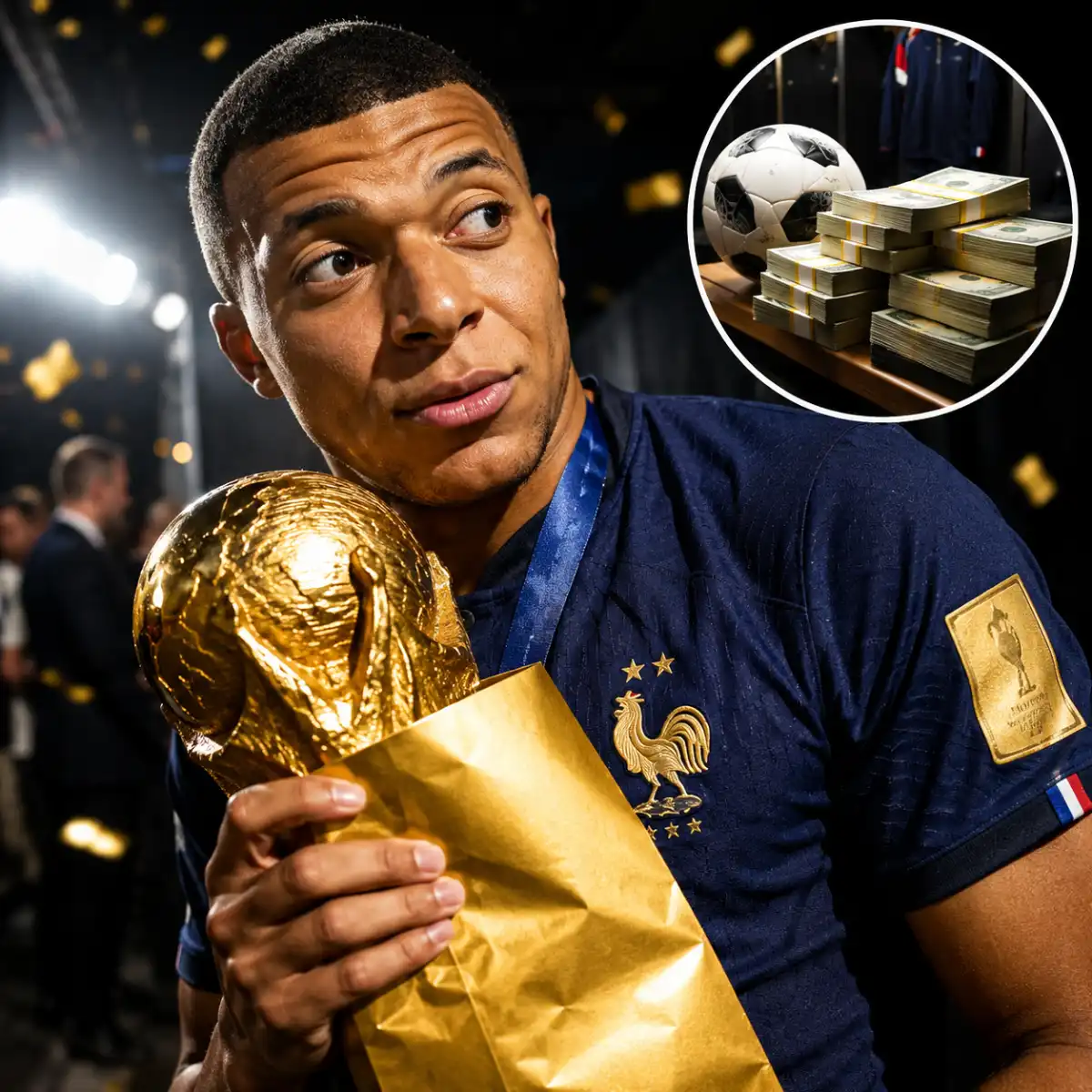
The sporting stakes are obvious. The financial ones are not exactly subtle either. According to FIFA, the competing teams will share a total prize fund of $655 million across the tournament’s six rounds.
How much prize money do World Cup teams get?
The basic rule is simple enough: survive longer, earn more. Teams eliminated at the group stage will receive $9 million. Those knocked out in the next round will collect $11 million.
From there, the figures climb steadily:
- Teams that reach ninth through 16th will receive $15 million
- Teams that finish fifth through eighth will receive $19 million
- Fourth place will receive $27 million
- Third place will receive $29 million
- The runner-up will receive $33 million
- The World Cup winner will receive $50 million
That top prize is the headline number, because of course it is. But even the earliest exits come with multimillion-dollar payments, which is not a bad consolation prize for losing on a global stage while everyone on Earth has opinions about your midfield.
Why the 2026 payout is bigger than before
Every team that qualifies for the tournament will also receive $1.5 million from FIFA for preparation costs. That money is separate from the prize payments tied to performance during the competition.
FIFA’s overall contribution marks a record amount for World Cup teams and represents a 50 percent increase from the prize pool at the 2022 tournament. The expanded format helps explain the larger total: more teams, more matches and a tournament stretched across three host countries.
For federations, that money can help cover logistics, training, travel and the many expensive details that come with staging a national team campaign. For fans, it mostly confirms what they already suspected: the World Cup is both a sporting event and a very large financial machine.
Do individual players get paid too?
Yes, but not directly from the FIFA prize fund in a uniform way. Players are typically paid by their own national federations through match fees, appearance fees or tournament bonuses. Those amounts vary from country to country, depending on each federation’s policies and agreements with its players.
That means two players at the same tournament can receive very different individual payments, even if their teams reach the same stage. Club salaries are a separate matter entirely, and for many top players, those contracts remain the bigger source of income.
Still, the World Cup has never been only about the paycheck. The emotional weight of representing a country is part of why the tournament keeps its hold on players and viewers alike.
After Argentina won the 2022 World Cup, midfielder Rodrigo De Paul told Reuters, “We’ve beaten the last champions, it’s a joy I cannot put into words. I’m proud of being born in Argentina and today we are on top of the world.”
The money is substantial. The memory, for the players who get there, is the thing they talk about afterward.