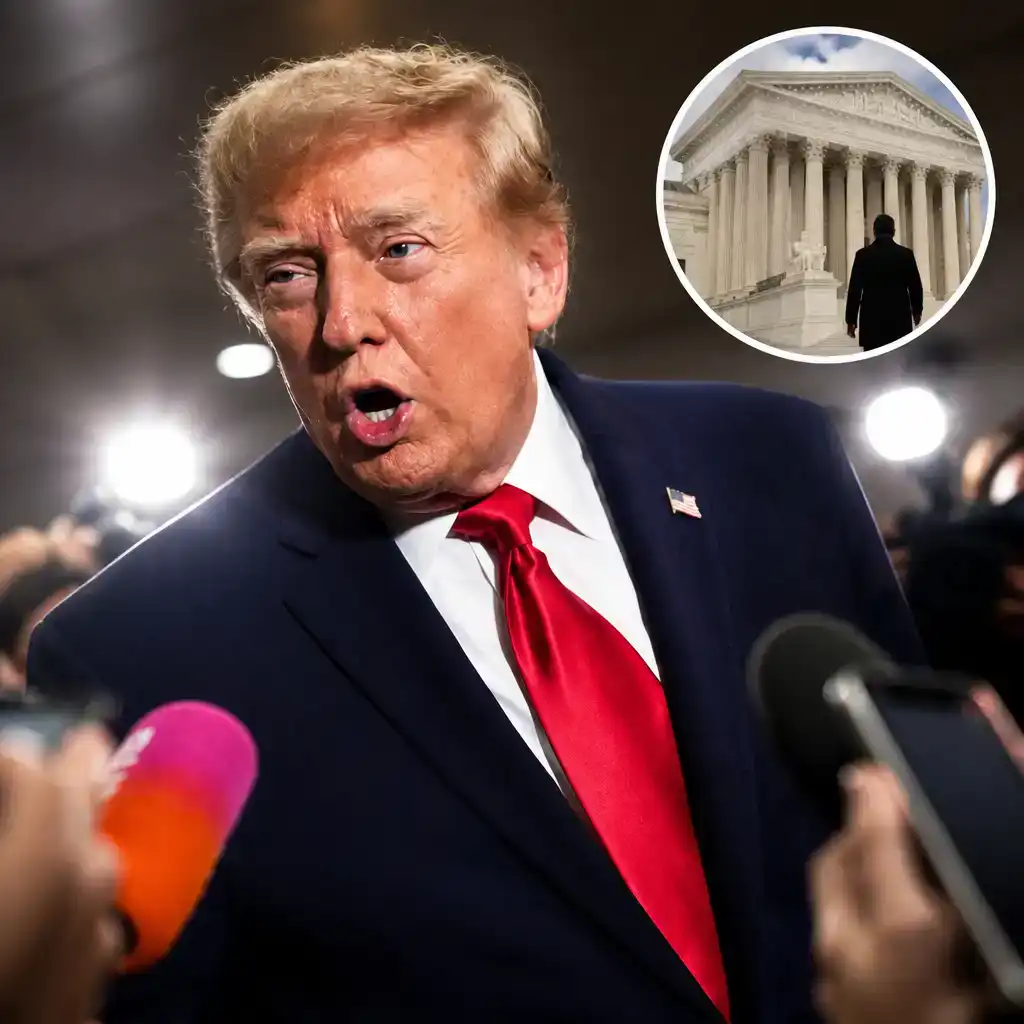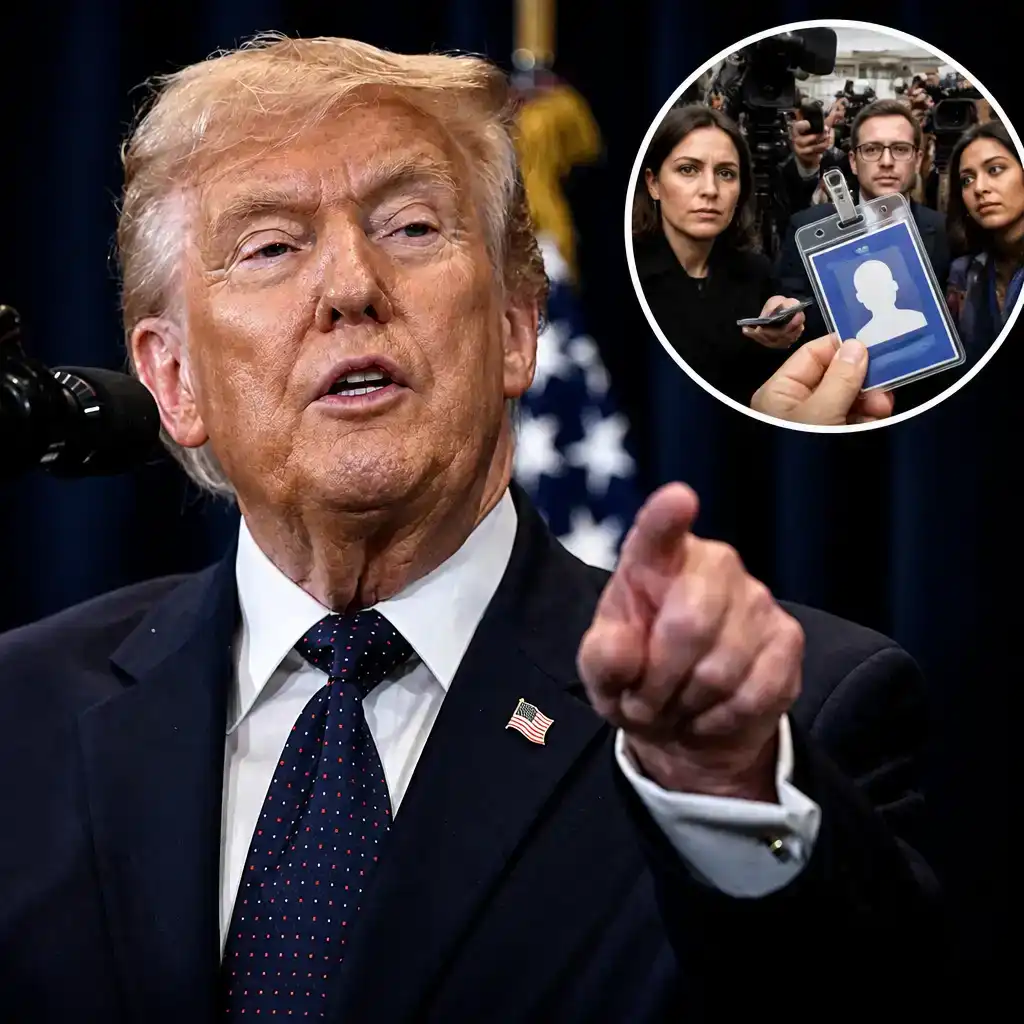
MS NOW, CNN and Politico have filed a White House press credentials lawsuit against President Donald Trump and senior administration officials, arguing that the government barred their journalists because it disliked their coverage.
The three organizations filed the case Monday in the U.S. District Court for the District of Columbia. They said the White House revoked their credentials without notice, an explanation or any process for challenging the decision. Apparently, access can disappear first and constitutional questions can wait in reception.
“This morning, we notified the government that we are filing a lawsuit today to protect our First Amendment rights and defend the principle that the government does not decide what the press reports or publishes,” the outlets said in a joint statement.
They warned that allowing the ban to stand would threaten press freedom and the public’s access to independent reporting free from government interference.
What the news organizations want from the court
The plaintiffs are asking a federal judge to order the immediate restoration of the credentials their journalists need to enter the White House grounds. They also want officials blocked from taking further action to prevent their staff from reporting there.
“There could not be a more direct assault on the First Amendment,” the organizations said in their complaint.
Their filing argues that press credentials provide news organizations and White House reporters with protected liberty and property interests. Those protections, they say, prevent government officials from withdrawing access arbitrarily and without due process.
“No official can deprive Plaintiffs of those interests on a whim, with no notice, no process, and no warning, as the President did here,” the complaint states.
The lawsuit names four defendants:
- President Donald Trump
- White House communications director Steven Cheung
- White House chief of staff Susan Wiles
- Secret Service director Sean Curran
The outlets contend that officials acted solely because of objections to their reporting. In their view, the Constitution does not permit a president to punish the press based on content while skipping even the basic formality of notice and review.
Why the Jim Acosta case matters
The news organizations point to a similar dispute from Trump’s first administration. In 2018, the White House suspended CNN correspondent Jim Acosta’s credentials after a contentious press conference.
During that event, Acosta held on to a microphone while a government staffer attempted to take it from him. The administration then removed his access, prompting CNN to sue.
A federal judge ordered the White House to restore Acosta’s credentials temporarily while the legal challenge continued. The administration later abandoned the suspension, and CNN ended its lawsuit.
That episode did not produce a final ruling resolving every question about White House access. It did, however, establish a recent and highly relevant example of a court intervening when an administration removed a reporter’s credentials without adequate procedure.
MS NOW, CNN and Politico now argue that the current ban is similarly unconstitutional. Their complaint calls it a direct violation of the First Amendment as well as their due process rights, and asks the court to restrain it immediately.
Trump says the action targets ‘fake news’
Trump responded Monday morning on Truth Social, denying that his administration was attacking press freedom. He instead presented the restrictions as a response to media coverage he considers false and dangerous.
“The White House is not instituting an assault on the Free Press, something which I cherish,” Trump wrote. “It is instituting an assault on the FAKE NEWS.”
He described such reporting as “corrupt, purposeful, pervasive, fully coordinated, and totally out of control,” adding that it posed a threat to national security and “must be stopped, NOW!”
The post largely reinforced the central dispute in the lawsuit. The outlets say the government excluded them because of their journalism; Trump says the government is acting because of journalism he labels fake. Courts tend to require a more constitutional distinction than typography in capital letters.
The case joins a wider media conflict
The complaint is the latest legal confrontation between the Trump administration and major national media organizations.
In August, Disney’s ABC filed a separate First Amendment lawsuit against the Federal Communications Commission. That case challenged what the company described as unusual administration pressure for its stations to submit their broadcast licenses for early renewal proceedings.
Together, the cases reflect a widening dispute over how far federal officials may go when responding to reporting they oppose. The immediate issue in the new case is physical access to the White House, but the broader question is whether an administration can use government authority to penalize news organizations over editorial content.
MS NOW, CNN and Politico argue that it cannot. Their complaint says the ban was imposed without warning or a chance to respond, based solely on officials’ dislike of their coverage. They are now asking the federal court to restore access before that approach becomes standard practice rather than another constitutional dispute requiring emergency litigation.