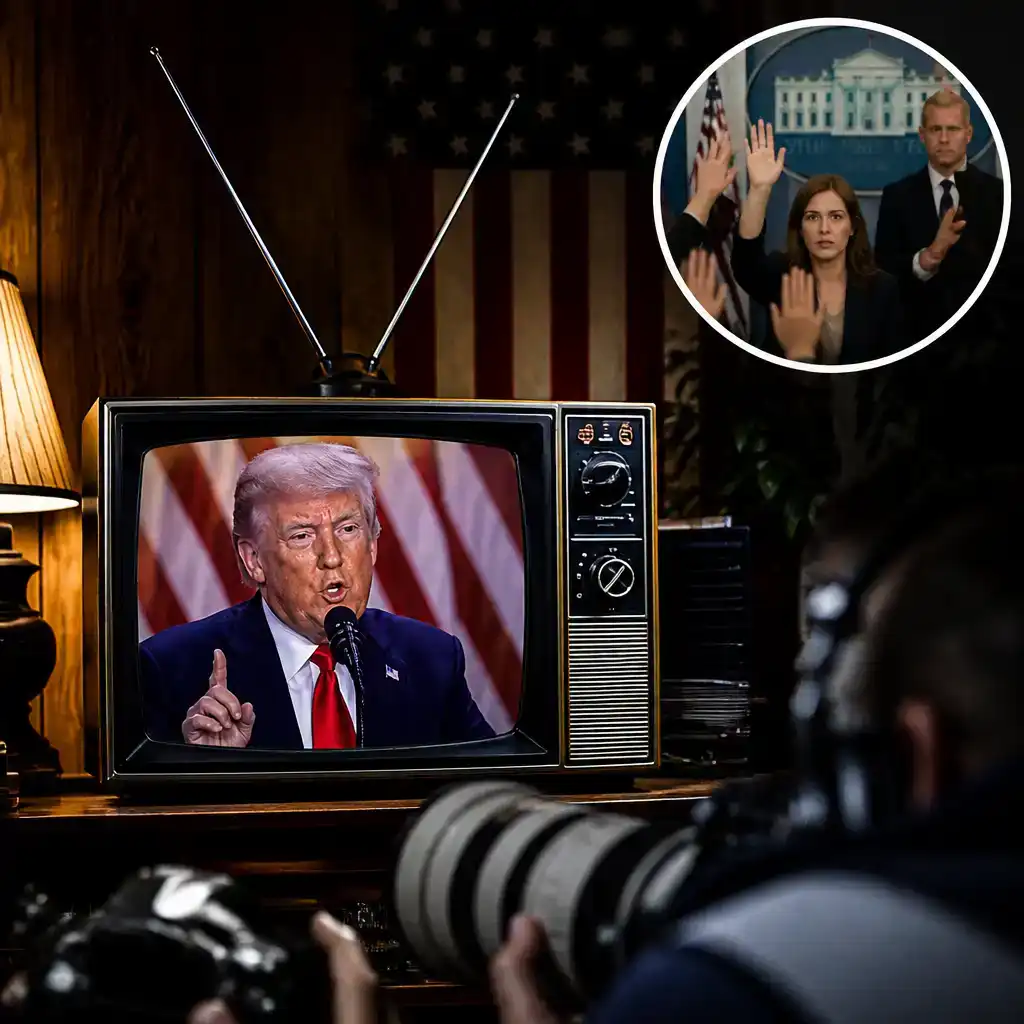
The White House launched Trump TV on September 21, days after President Donald Trump barred three news organizations from access and triggered a wider revolt among television networks. The new service offers administration announcements, prerecorded speeches and, apparently, the opportunity to watch material that was already available elsewhere.
Officially named “TRUMP TV: The Essentials Station,” the channel runs through the White House’s existing YouTube account and app. The administration launched that app on March 27 to distribute livestreams, alerts and its own news coverage.
Axios reported that the channel had been under development for months, meaning it was not invented overnight as an answer to the press dispute. Its debut was accelerated once that fight erupted, however. Timing, as ever in Washington, is doing quite a lot of work.
Why did television networks suspend coverage?
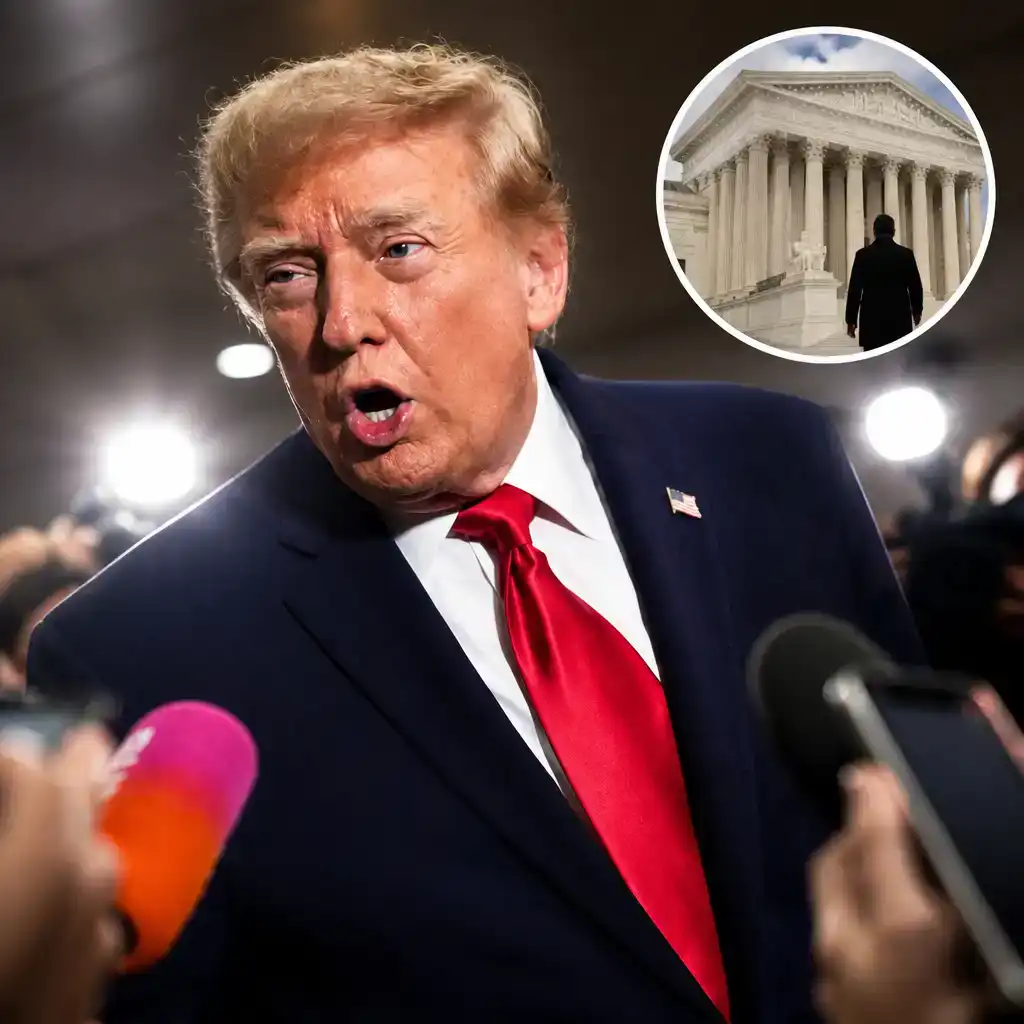
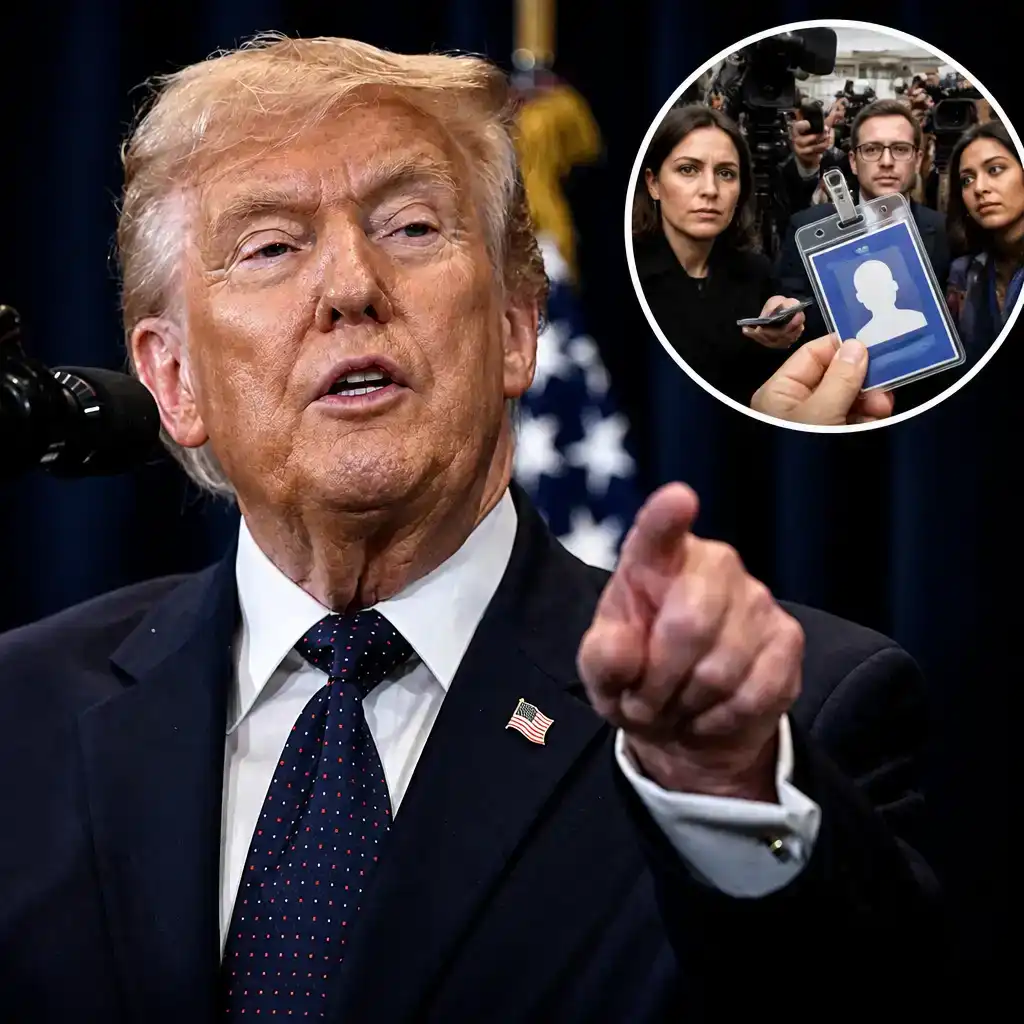
Trump announced on September 18 that CNN, MS NOW and Politico would be banned. The organizations said White House officials confiscated their journalists’ credentials “without notice or process.”
The dispute quickly expanded beyond those three outlets. ABC, CBS, CNN, Fox News and NBC suspended their participation in the television pool after the White House stopped CNN from carrying out its scheduled pool assignment, according to reporting from the Associated Press, Axios and CBS News.
A press pool allows a limited number of journalists and camera crews to cover events on behalf of a broader group when space or access is restricted. Pool footage gives news organizations independently produced video rather than material selected and distributed by the administration itself.
The practical result became clear when Trump unveiled a new White House helipad. The five networks did not provide pooled television coverage of the event. Coverage pools for Vice President JD Vance and Secretary of State Marco Rubio continued operating, CBS reported, so the withdrawal was focused on presidential access rather than a complete shutdown of government coverage.
What is the White House channel showing?
The opening schedule leaned heavily on older material. The Daily Beast reported that one of the first programs was a Mount Rushmore speech recorded about 80 days earlier. The stream then moved among other prerecorded speeches and announcements.
By Tuesday morning, September 22, fewer than 1,000 concurrent viewers were watching, according to the Daily Beast. That is a modest audience for a channel carrying the name of a president whose political operation has long treated television ratings as a form of public validation.
White House digital official Kaelan Dorr defended the project by arguing that news organizations had sometimes covered the administration’s achievements “inaccurately or not at all.” The service gives the White House a direct route to viewers, with no outside editors deciding what deserves attention or adding inconvenient context.
Direct government communication is not new. Presidents have used radio addresses, social platforms, official videos and livestreams for decades. The concern here is the combination of an administration-controlled broadcast outlet and restrictions on journalists seeking to produce independent coverage at the same time.
What are CNN, MS NOW and Politico challenging?
CNN, MS NOW and Politico filed a lawsuit over the loss of access. As of the morning of September 22, no court ruling had been reported.
The case raises two central questions: whether the government can revoke press credentials because it dislikes an outlet’s coverage, and whether taking credentials without warning or a formal process violates constitutional protections.
Jacqui Heinrich, president of the White House Correspondents’ Association, said the White House cannot deny access “arbitrarily or based on the content” of reporting. She called for the credentials to be restored.
The legal challenge is therefore broader than a dispute over seating arrangements or who gets into a briefing room. Viewpoint-based retaliation could implicate the First Amendment, while the alleged lack of notice or procedure raises due-process concerns.
Courts have previously treated White House press access as more than a personal favor granted by the president. This lawsuit will test how those protections apply when an administration targets entire organizations rather than an individual correspondent.
Can official programming replace press-pool video?
The new station can keep broadcasting regardless of whether networks participate in the presidential pool. What it cannot provide is an independent camera, an outside editorial decision or footage captured without White House control.
That distinction matters because official video shows what an administration chooses to release. Pool coverage, while logistically limited, is produced by journalists and shared across competing outlets. When the pool withdraws, the public may be left with fewer visual records of presidential events unless access is restored or another arrangement is reached.
For now, the administration has gained its own continuously branded platform while losing pooled coverage from five major networks. Viewers can still watch the president’s speeches, including ones from nearly three months ago. Whether they can reliably see events through cameras not controlled by the White House is the more consequential question.