Al Jazeera reports that the Venezuela earthquakes struck just after 6pm on Wednesday, leaving at least 32 people dead, injuring about 700 and prompting a nationwide state of emergency. The two powerful tremors, measured at magnitudes 7.2 and 7.5 by the United States Geological Survey, hit less than a minute apart and were followed by nearly two dozen aftershocks.
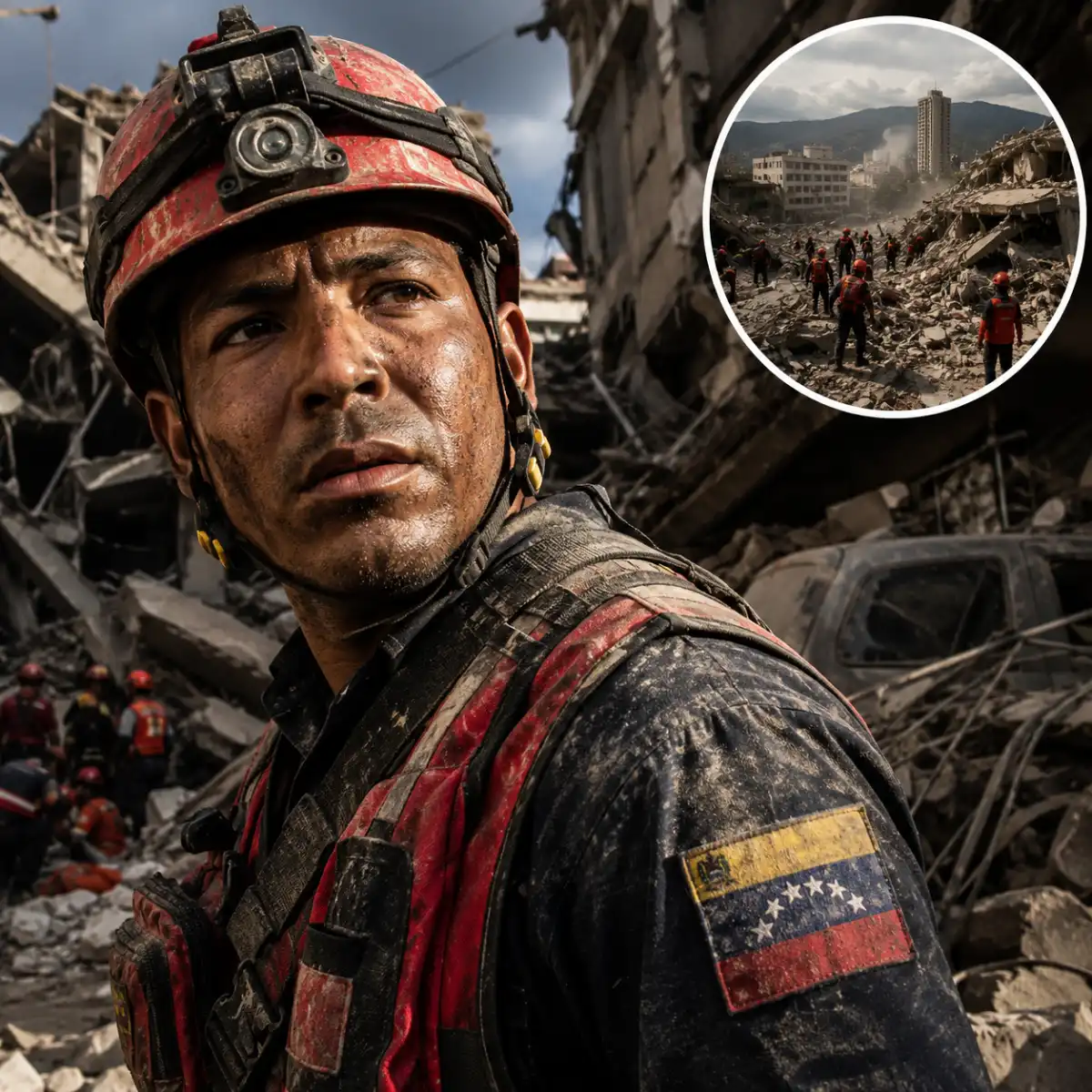
Caracas appears to have suffered the worst damage so far, with emergency crews digging through collapsed buildings. Officials have closed the capital’s main airport, suspended classes and called health workers into hospitals and clinics. A disaster response, in other words, is now moving faster than the paperwork usually does.
What happened when the quakes hit Venezuela?
The earthquakes struck at about 6:04pm local time, or 22:04 GMT, as Venezuela was observing a national holiday marking the 1821 Battle of Carabobo.
Acting President Delcy Rodríguez announced a state of emergency in a televised address and urged doctors, nurses and other healthcare staff to report immediately to medical facilities to help treat the injured.
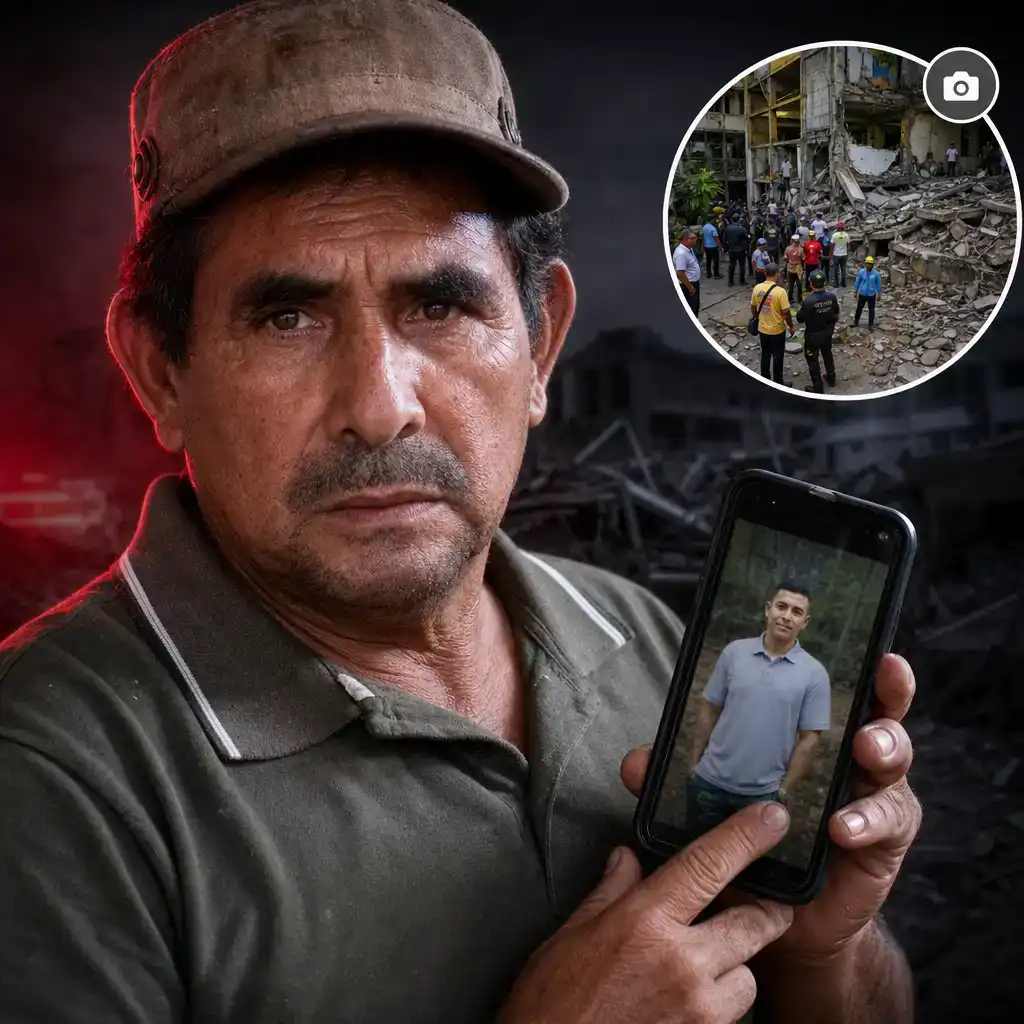
Reporting from Bogotá, Al Jazeera’s Teresa Bo said the most severe damage was being reported in Caracas, especially in the Altamira district. Rescue workers there pulled survivors from the rubble of a 22-storey building while relatives searched for people still missing.
Authorities said they were still assessing the full scale of the damage. Rodríguez also appealed for the public to stay alert, take precautions and remain calm after the powerful shocks.
What is known about the victims?
Rodríguez said at least 32 people had been killed and about 700 injured. Officials cautioned that those numbers could rise as search and rescue teams continue working through damaged areas.
Authorities have not yet released a detailed breakdown of the victims by age, gender or location. For now, the official picture remains incomplete, which is grimly normal in the first hours after a major earthquake.
The hardest-hit areas identified so far include the Altamira and El Paraíso neighbourhoods of Caracas. Damage has also been reported in La Guaira and other parts of central Venezuela.
The United States Geological Survey warned that “high casualties and extensive damage are probable”. It said many buildings in the affected region are made from unreinforced brick masonry and adobe, or mud bricks, both of which are highly vulnerable in strong shaking.
The agency’s latest assessment included statistical estimates intended for emergency planning, not confirmed death tolls. It gave a 39 percent probability of deaths reaching between 1,000 and 10,000, and a 37 percent probability of 10,000 to 100,000 deaths.
Where were the epicentres?
According to the United States Geological Survey, both earthquakes originated in Yaracuy state, west of Caracas.
The first quake, measured at magnitude 7.2, struck at a depth of 22km, or 14 miles. Less than a minute later, a stronger magnitude 7.5 quake followed at a depth of about 10km, or 6 miles.
Although the epicentres were outside the capital, shaking was felt widely across Caracas and much of central and western Venezuela. Reports of tremors came from Carabobo, Miranda, La Guaira and Trujillo states.
The shaking also crossed borders. Tremors were reported in neighbouring Colombia and as far away as Brazil’s Amazon region, more than 1,700km, or 1,050 miles, from Caracas.
How much damage has been reported?
The quakes caused widespread destruction, including collapsed buildings and damaged infrastructure. In Caracas, many residents rushed into the streets as the shaking hit.
The government closed Simón Bolívar International Airport in Caracas because of damage, suspended classes for several days and urged residents to remain calm while emergency teams worked through the worst-affected districts.
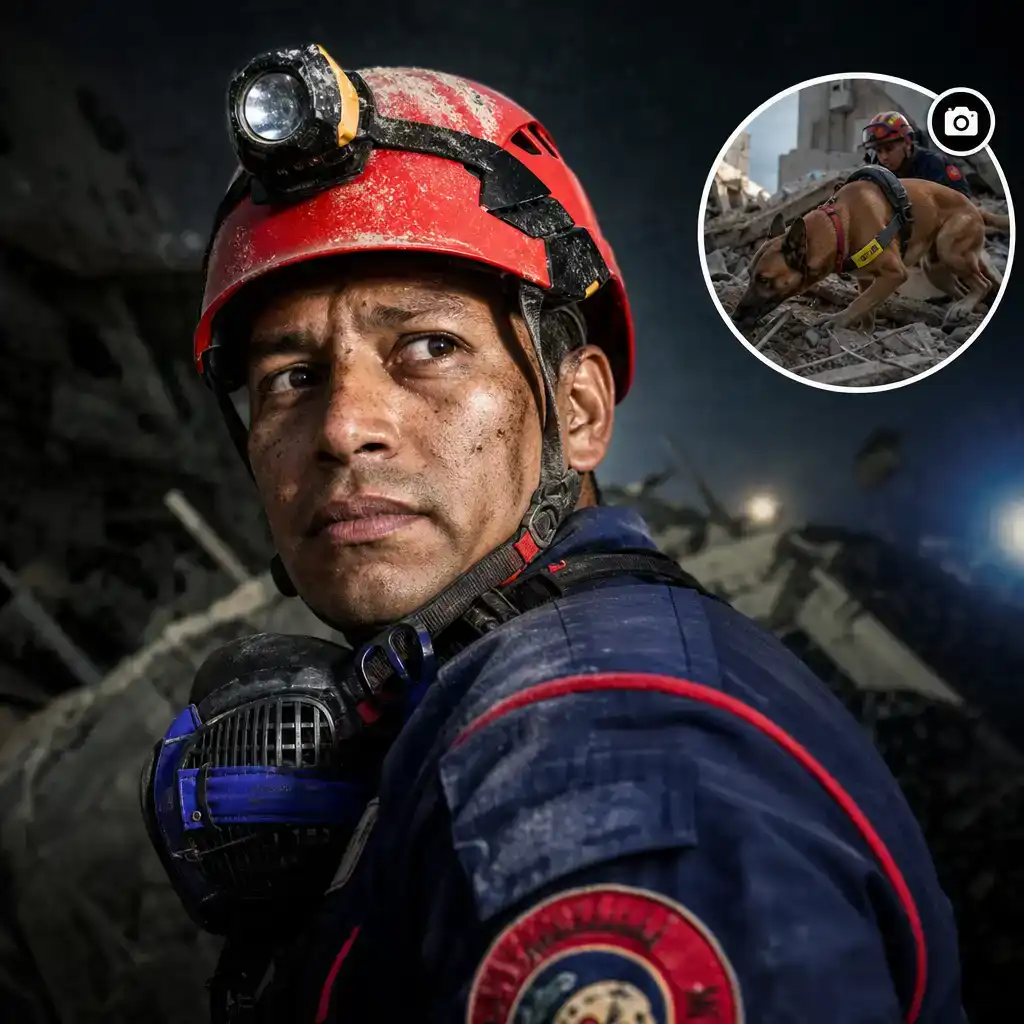
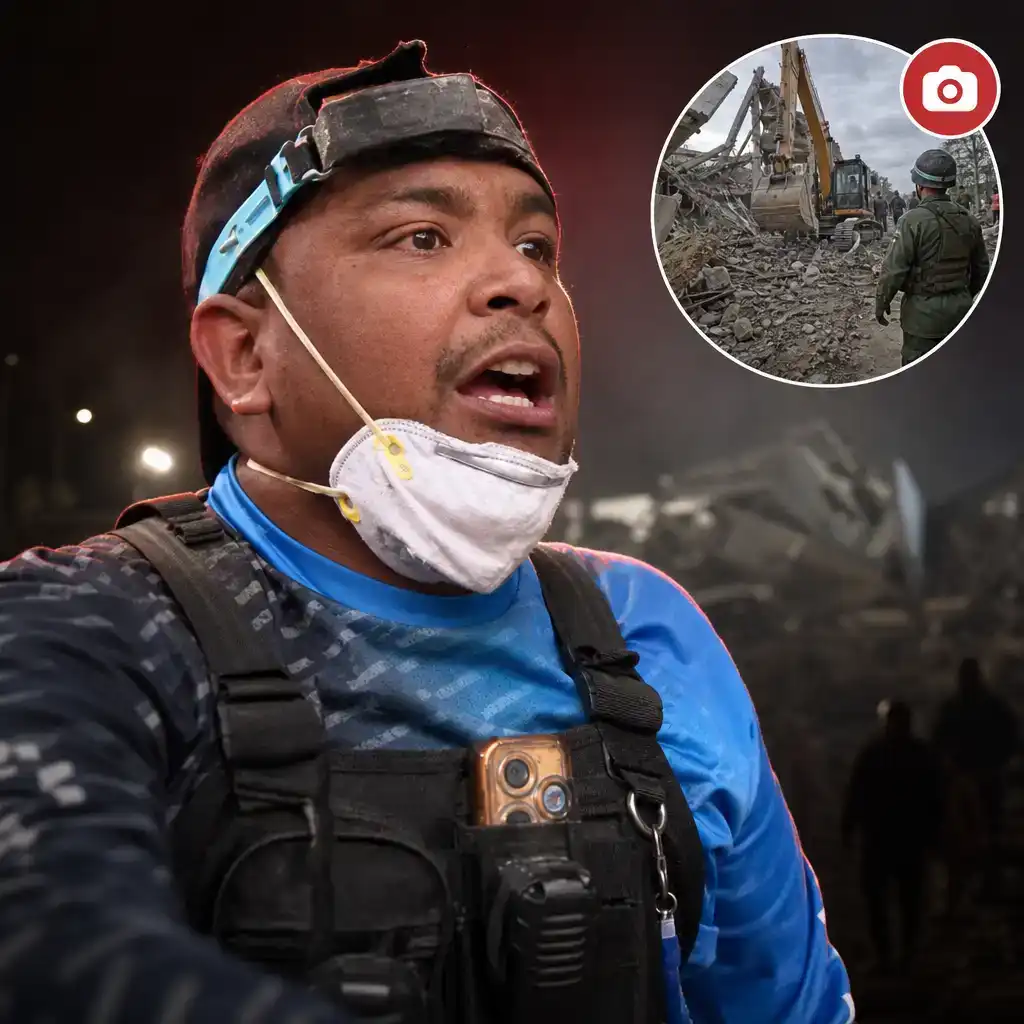
Search and rescue operations are continuing, particularly where buildings have collapsed. Officials have not yet provided a full national damage assessment.
The United States Geological Survey also warned that strong aftershocks remain possible in the coming days. That risk complicates rescue work, since damaged structures can become even more dangerous after the initial quake.
What caused the earthquakes?
Venezuela lies along the boundary between the Caribbean and South American tectonic plates, a region capable of producing powerful earthquakes.
The United States Geological Survey said the larger of Wednesday’s two quakes was caused by shallow strike-slip faulting near the plate boundary. In plain terms, that means two blocks of the Earth’s crust moved horizontally past each other, releasing energy as seismic waves.
The agency said earthquakes of this size involve movement across a broad section of a fault, not a single neat point on a map. Nature, inconveniently, does not always organize itself for simple graphics.
Venezuela has a long history of destructive seismic events. The United States Geological Survey says an estimated 30,000 people were killed in 1812 when a powerful earthquake devastated Mérida and Caracas. In 1967, a major quake in Caracas caused several high-rise buildings to collapse and killed about 240 people, many in central districts of the capital.
How have other countries responded?
Governments across the Americas have expressed solidarity with Venezuela and begun preparing humanitarian assistance.
United States President Donald Trump wrote on Truth Social that the US “stands ready, willing, and able to help! I have instructed all agencies of our government to get ready to move quickly. We will be there for our new and great friends.”
Officials from the Trump administration had earlier said Washington would send search and rescue teams, medical supplies and other humanitarian aid.
Other regional responses include:
- El Salvador: President Nayib Bukele said his government is preparing to send 300 paramedics and rescue workers, along with 50 tonnes of medical supplies and emergency equipment.
- Ecuador and Panama: Both governments announced humanitarian assistance. Ecuadorian President Daniel Noboa said humanitarian concerns should come before political differences.
- Mexico and Brazil: Both countries expressed solidarity and said they were monitoring the situation. They also said there were no immediate reports of their citizens being affected.
Venezuelan officials say rescue work remains the priority as crews continue searching damaged buildings and hospitals treat the injured.