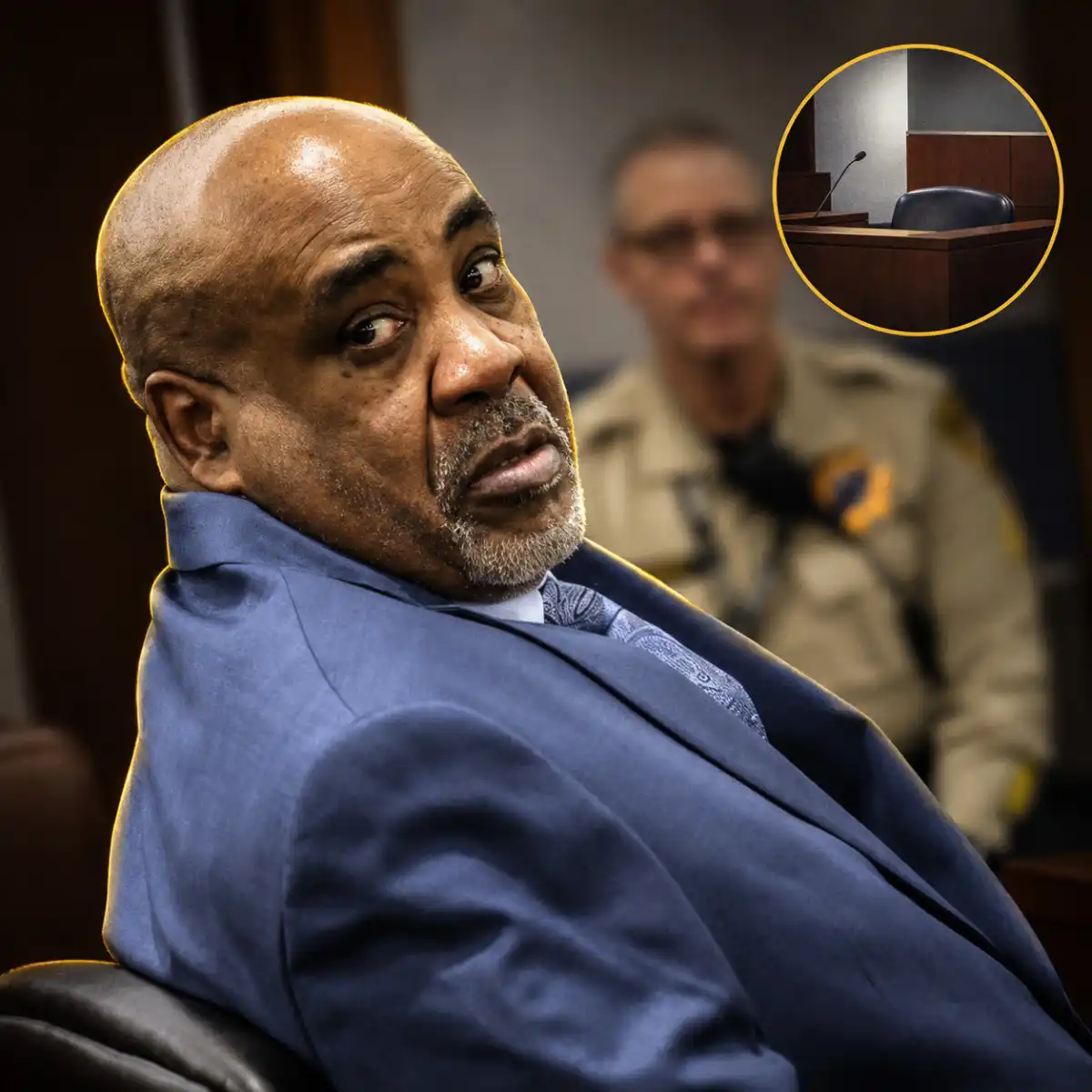
The Tupac murder trial now under way in Las Vegas rests on an unusual question: can Duane “Keffe D” Davis’s own stories help convict him nearly 30 years after the shooting, even though prosecutors say he did not fire the gun?
Davis, 63, has pleaded not guilty and denies arranging the September 7, 1996, drive-by attack that killed Tupac Shakur. The rapper died six days later at age 25.
Jury selection began on August 10 and concluded on August 13, according to the Associated Press. Opening statements followed on August 17. The distinction matters because this case has already waited three decades. It can spare one week of historical compression.
Why prosecutors say Davis is responsible
Chief Deputy District Attorney Binu Palal told jurors that Davis organized the shooting as retaliation for an attack on his nephew, Orlando Anderson, inside a Las Vegas casino earlier that night.
“Let’s be clear, Duane Davis did not pull the trigger,” Palal said. “But he did plan the shooting in retaliation of the beating of his nephew.”
Prosecutors allege Davis obtained a gun and joined three other men in a white Cadillac. The group later spotted Shakur riding with Death Row Records co-founder Marion “Suge” Knight. Davis allegedly passed the weapon to Anderson before someone fired into their car.
Shakur was struck several times. Knight survived.
Davis faces one count of murder with a deadly weapon intended to promote, further or assist a criminal gang. He could receive life imprisonment if convicted.
The state plans to call between 35 and 45 witnesses during a trial expected to last about a month. Shakur’s stepbrother, Maurice “Mopreme” Shakur, attended the opening proceedings.
Davis’s interviews and memoir take center stage
The prosecution’s most important witness may effectively be Davis himself. Palal described him as the “one person who has a hard time being silent” and said jurors would learn about the alleged plan through Davis’s own words.
Davis has discussed the killing in recorded interviews and in his 2019 memoir, where he placed himself inside the Cadillac. Prosecutors played part of a recorded account for the jury during the opening phase of the case.
Judge Carli Kierny previously ruled that those statements could be admitted as evidence. That gives prosecutors a route around one of their largest problems: the three other alleged occupants of the Cadillac are dead.
The defense says Davis’s public accounts were fictionalized and designed to attract attention rather than provide a reliable confession. Attorney Michael Sanft argued that police previously declined to charge his client because they knew he was “full of crap.”
So the jury will be asked to decide whether Davis spent years describing a real murder plot or merely selling a dramatic version of one. Neither possibility reflects especially careful decision-making.
Why the 30-year delay complicates the case
Sanft called the long delay “a huge problem,” particularly because memories fade and witnesses may no longer recall precise details. The defense has described the investigation as “biased, sloppy and incomplete.”
Retired detective Brent Becker testified that investigators have no surviving eyewitness who can identify the people inside the Cadillac. He also said he believed Knight lied during his police interview.
Retired officer Garry Dale recalled asking the wounded Shakur about the gunman. According to Dale, the rapper responded with words approximating, “We’ll take care of it.” That account offers little help in identifying who fired the shots or who arranged the attack.
Witness Ingrid Stokes said she was near Shakur’s convoy shortly before the shooting. She recalled taking off her seat belt when the gunfire began.
“We were head down, taking our seat belts off, when we heard the gunshots,” Stokes testified. “All hell broke loose.”
Stokes also explained why she had been reluctant to speak publicly, telling the court, “Snitches get stitches.” Her testimony may help establish the scene and sequence of events, but it does not solve the central identification problem.
What jurors will have to decide
The state does not need to prove Davis pulled the trigger. Its case is that he planned the retaliation, supplied the weapon and participated in the group attack.
The defense, meanwhile, will try to separate Davis’s public storytelling from evidence that can support a murder conviction. That argument gains weight from the absence of the other alleged participants, the lack of a surviving eyewitness able to identify the Cadillac’s occupants and the decades that passed before Davis was charged.
No major outlet had reported substantial second-day testimony advancing the case beyond the opening evidence as of August 18. The coming weeks are expected to bring investigators, experts and potentially celebrity witnesses to the stand.
Shakur sold more than 75 million records worldwide, according to the Associated Press, and his killing became one of the most scrutinized unsolved cases in music history. The trial will now test whether Davis’s own words can do what years of police work did not: provide enough evidence for a jury to reach a verdict.